Table of Contents
Table of Contents
- Do you need a license to start a landscaping business in Montana?
- What are the types of landscaping business licenses & permits in Montana?
- Step-by-step process to get a landscaping business license in Montana
- How much does a Montana landscaping business license cost?
- What are the most common mistakes to avoid when getting a license?
- How Aspire helps landscaping businesses stay organized & compliant
- Over to you
- Disclaimer
Starting a landscaping business in Montana gets much easier when you know what you need to do to obtain a license from day one.
A Montana landscaping business license usually means more than one visit to an office, filling out a form, or buying equipment. The steps you need to take depend on the services you want to provide and your exact location.
With the help of this guide, you will learn:
If you need a license to start a landscaping business in Montana
Which licenses and permits apply to your business
The step-by-step licensing process
The costs of licensing in Montana
Common errors to avoid when applying for a landscaping license
Use this article as a checklist before taking paid work, hiring a crew, or adding new services to your list.
Do you need a license to start a landscaping business in Montana?
To start a landscaping business in Montana, you don’t need a state-level landscaping license.
However, a landscaping business will still need the right business setup before taking on paid jobs. Most owners register the business with the Montana Secretary of State, then check local rules in the city or county where they will operate.
A small landscaping business in Helena, Billings, or Missoula, for instance, that offers routine yard services needs to check the local permit rules before booking residential or commercial work. On the other hand, if your business operates in Yellowstone, you need to review environmental protection limits before taking on jobs such as moving soil, applying turf products, or altering drainage.
The exact license requirements depend on the landscaping services your business sells in the area. Basic maintenance follows one path, while turf treatments, construction work, or design services fall under different rules.
Read on for a breakdown of the types of licenses and permits that apply to Montana landscaping services.
What are the types of landscaping business licenses & permits in Montana?
The types of landscaping business licenses and permits in Montana depend on the business’s location, services, crew setup, and tax status.
General business license
A general business license can be obtained from the city or county where the company will provide its services.
In Montana, local offices handle business licensing, so the rules change by address. You can check the city licensing portal or the local office that handles permits and business activity.
Business registration is a separate category. LLCs, corporations, and registered business names are filed with the Montana Secretary of State.
Tax accounts also belong on the setup list. A landscaping business with employees must register with the Montana Department of Revenue for withholding and related business tax requirements.
Landscaping contractor license
For certain construction-related work, Montana requires contractor registration rather than a single landscaping contractor license.
A landscape contractor that installs hardscape features, for instance, needs to verify the construction contractor's registration with the Montana Department of Labor and Industry.
Solo operators will need to review independent contractor rules. Crew structure, payroll, and workers’ compensation insurance determine which registration path applies.
Specialized licenses
When the services that your landscaping business offers carry an extra risk or fall under a regulated category, a specialized license will apply.
For instance, for pesticide applications, weed control, and some turf treatments, you will need a pesticide applicator license. The Montana Department of Agriculture also requires a nursery license for businesses that sell or distribute nursery stock.
Landscape architecture also follows professional licensing rules. Design-only lawn layouts differ from licensed landscape architecture under state law.
Permits and local regulations
When it comes to the job site of your landscaping work, you might need different permits.
A city or county permit will be required if your project affects grading, drainage, sidewalks, right-of-way areas, irrigation, or protected land. Work near waterways or sensitive soil areas will also raise environmental protection concerns.
Local offices set the rules for each site, so check local permit requirements before bidding on a job to save you from rework, delays, fines, and awkward client calls.
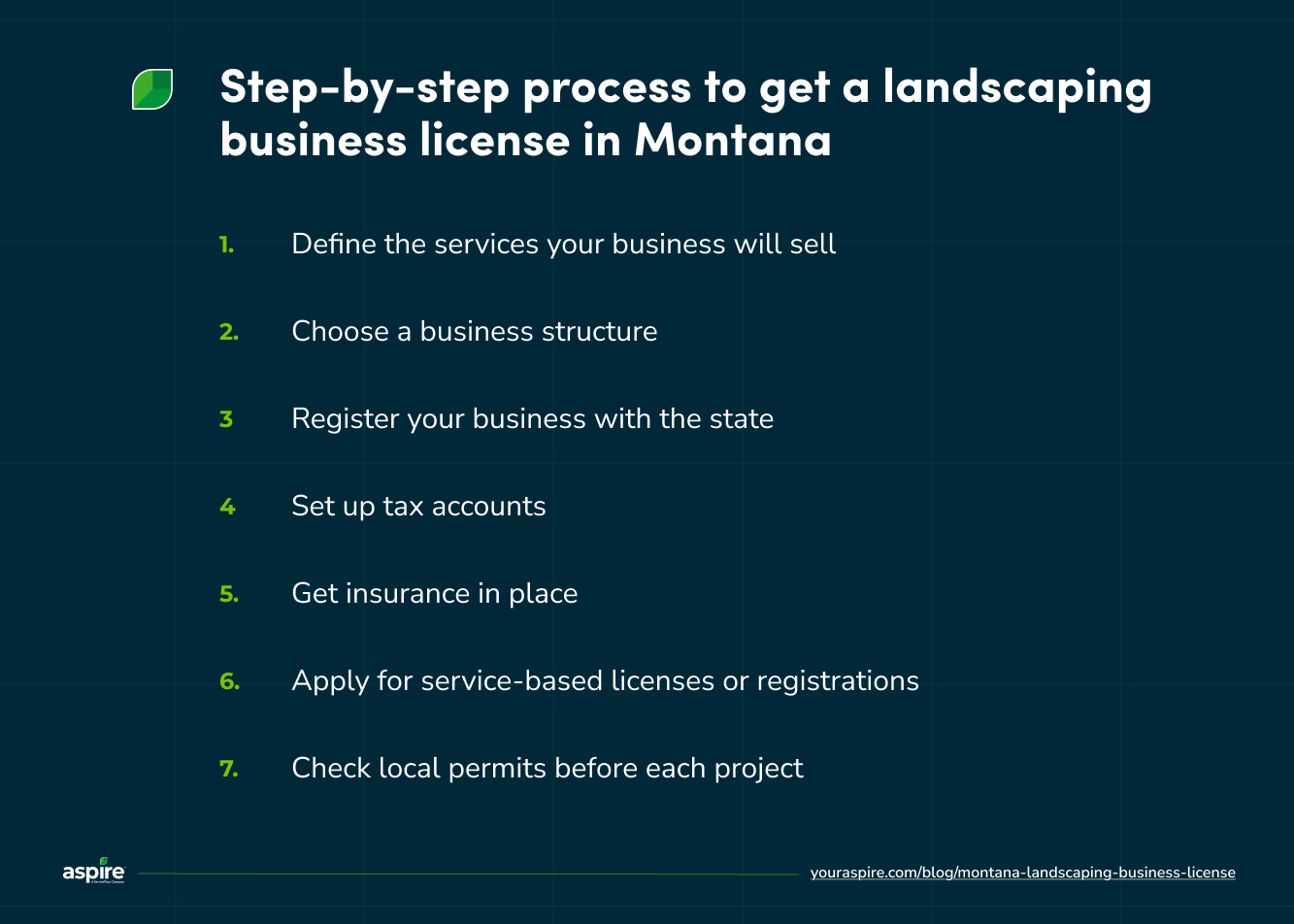
Step-by-step process to get a landscaping business license in Montana
Getting a Montana landscaping business license starts with business registration, then moves through tax setup, insurance, trade-specific approvals, and local permits.
The right order matters, as a clean file will help you price work, sign contracts, hire crews, and answer client questions without having to dig through paperwork.
Use the steps below as a practical guide for obtaining your landscaping license stress-free.
1. Define the services your business will sell
Before starting the application process, list all the services you want your business to offer.
Basic mowing, cleanup, planting, mulching, and seasonal maintenance work usually follow a simple licensing path. Offering more specialized and complex services will add more rules and require a different type of license.
Having a detailed service list will also help you with pricing, contracts, insurance, and crew planning. A business that only cuts grass faces a different risk profile than one that installs retaining walls, applies chemicals, or manages commercial properties.
2. Choose a business structure
Your new business will need a legal structure before filing state paperwork.
Common options include:
Sole proprietorship: The easiest business structure to set up, requiring minimal paperwork. However, you’re responsible for the business’s debts and legal obligations.
LLC (limited liability company): Many landscaping companies choose an LLC because it separates the owner from the company and is suitable for a small business that plans to grow.
Corporation: Offers the highest level of personal liability protection but involves stricter reporting, compliance, and tax requirements. It’s often the right choice for businesses with long-term growth plans.
Partnership: Designed for businesses with two or more owners who share management duties, profits, losses, and legal responsibilities according to their agreement.
The business structure you choose will influence taxes, ownership records, payroll, and insurance. A company that has several owners needs a different setup than a solo operator.
3. Register your business with the state
After you choose a business structure, the next step is to create the official company record by registering your business with the state.
LLCs, corporations, and registered business names are filed with the Montana Secretary of State. The filing portal at mt.gov handles new filings, annual reports, and record updates.
Just complete this form with business details to start the process.
The business name must match contracts, insurance documents, tax accounts, and license applications. Keep the same name format on every form to avoid delays.
4. Set up tax accounts
As a landscaping business owner, you will need the right business tax setup before payroll begins.
If you intend to hire personnel, you need to register with the Montana Department of Revenue for withholding accounts using this form. After you complete it, pay online through the TransAction Portal.
As a solo operator with no employees, you will still need to track income and expenses from the first job. Clean records will make pricing, tax filings, and license renewals easier to manage.
5. Get insurance in place
Acquiring insurance belongs in the setup stage, not after the first claim.
General liability insurance protects your business from property damage and bodily injury claims related to your landscaping work. If you have employees, you’ll also need workers’ compensation insurance.
Contractor registration also requires proof of workers’ compensation coverage for your employees. Crew size, payroll setup, and workers’ compensation coverage will determine which registration path applies to your business.
6. Apply for service-based licenses or registrations
Some of your landscaping business’s services might need extra approvals before your crew performs the work.
Construction contractor registration applies if the job includes construction activity, such as hardscaping, drainage structures, or built features. A pesticide applicator license is required for many weed control and turf treatment services ($85 for new and renewed licenses).
If you plan to sell nursery stock, you will also need a nursery license, which can be obtained through the eStop Business Licensing portal online or applied for through the mail.
Meanwhile, landscape architects follow a separate professional licensing process under state rules. You must submit an application form, pay the fee ($325), pass the LARE exam, obtain a complete CLARB record, and provide evidence of meeting the experience requirements.
7. Check local permits before each project
Local permits depend on the job site and type of work.
A simple maintenance visit typically requires fewer permits than a project that alters soil, water flow, or built features. Check with your local permitting office to confirm the requirements.
Once you have your permits, keep them together with the estimate and job file. Having everything in one place helps keep the project on schedule and makes it easier to answer client questions.
How much does a Montana landscaping business license cost?
A Montana landscaping business license usually costs $20 to $400+ in state filing and license fees before insurance, local permits, or bonding.
As most landscaping businesses begin the process with business registration, an LLC costs $35, while an assumed business name costs $20.
Construction-related landscaping adds yet another fee. Registration costs $70, and an independent contractor exemption certificate costs $125.
Plant sales and pesticide work also have separate costs. A nursery license ranges from $25 to $400, while a nursery license for landscape services costs $150.
A commercial pesticide applicator license costs $85 per year, and a landscape architecture license has a $325 application fee and a $170 active annual renewal fee.
You should also budget extra for general liability insurance, workers’ compensation, local permits, and any surety bond required for a city permit or project.
What are the most common mistakes to avoid when getting a license?
Some of the biggest mistakes you can make when getting a license in Montana include treating business registration as full approval, skipping service-specific rules, and losing track of insurance or renewal records.
Licensing mistakes usually start before the application process begins, so here is how you can avoid them.
1. Treating business registration like complete permission
Business registration means you created the company record, but it does not cover all licensing requirements for landscaping work. For instance, if you registered as an LLC, you still need to check local business license rules, tax accounts, and any service-based approval.
Be sure to match the paperwork to the services listed on proposals. A mowing-only company will need a simpler file than a company selling nursery stock.
2. Missing service-specific licensing rules
Landscaping businesses run into problems when they add new services to their list without checking the rules tied to those services.
Paid pesticide work, nursery stock selling, or construction-related services all need specific licensing. Landscape architecture also requires a license under the Montana Code Annotated (MCA). Design work that crosses into regulated practice needs more than years of experience and a good portfolio.
Carefully review every new service before adding it to estimates, website pages, or maintenance contracts.
3. Letting insurance and renewal records fall behind
Insurance and license renewal records need the same attention as invoices and job schedules.
General liability insurance, workers’ compensation, contractor registration, and applicator records all need current dates in the company file. Expired paperwork can cause problems during bids, audits, client reviews, and crew scheduling.
Create one place to keep policy numbers, license numbers, renewal dates, agency contacts, and each phone number tied to a filing. Treat this as part of your landscaping business procedure, not as a one-time admin task.
Add reminders 30 to 60 days before each deadline to have enough time to handle renewals before the busy season hits.
How Aspire helps landscaping businesses stay organized & compliant
As an end-to-end business management platform for landscaping businesses, Aspire centralizes licensing records, job details, billing, and crew schedules.
Compliance work continues even after the first application process. Contracts need the right scope, invoices need the correct job details, and schedules need to match the work your crew sold.
Here is how Aspire can make all of that easier.
Contract & proposal management
Aspire helps teams turn estimates into consistent proposals and contracts with fewer manual edits.
The platform’s formatted fields and proposal templates keep scopes, service descriptions, pricing, and property details consistent from one job to the next. A company that sells maintenance, turf treatments, and hardscape work keeps each service tied to its job record.
Invoicing & payment processing
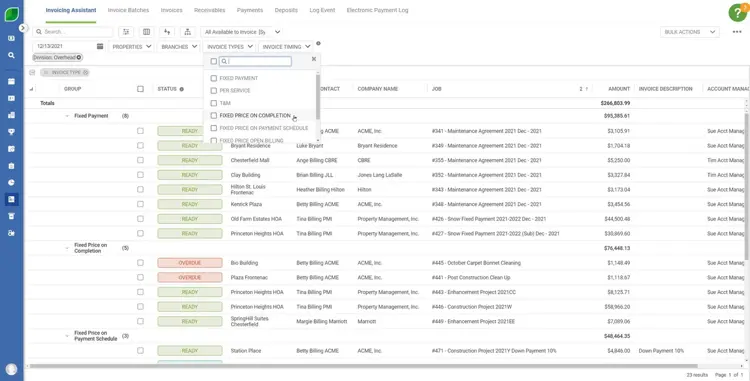
The Aspire invoicing feature connects billing with the work already sold and completed.
The invoice layouts help match billing to customer terms, payment schedules, and work types. Job records also keep approved services, order changes, and billing notes together.
Business reporting & documentation
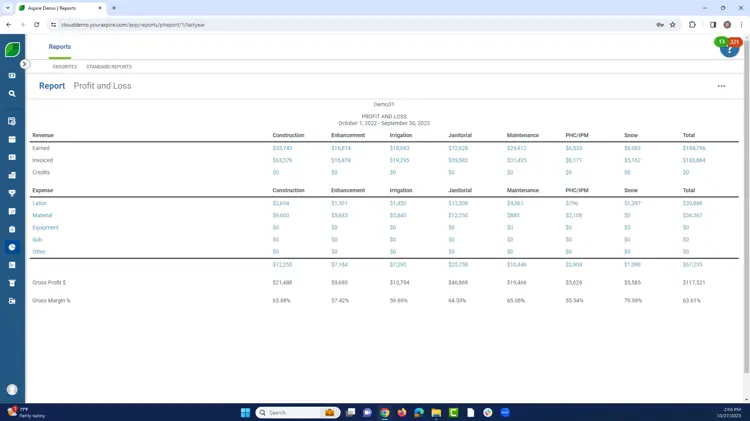
If you need reports and dashboards tied to sales, job costs, customer records, crew performance, and KPIs, Aspire’s reporting feature is ideal.
Documentation matters when license renewal, insurance review, or pesticide records come up. Chemical usage reports, attachments, and visit notes create a record trace for regulated work, including applicator license files and turf treatments.
Scheduling & job management
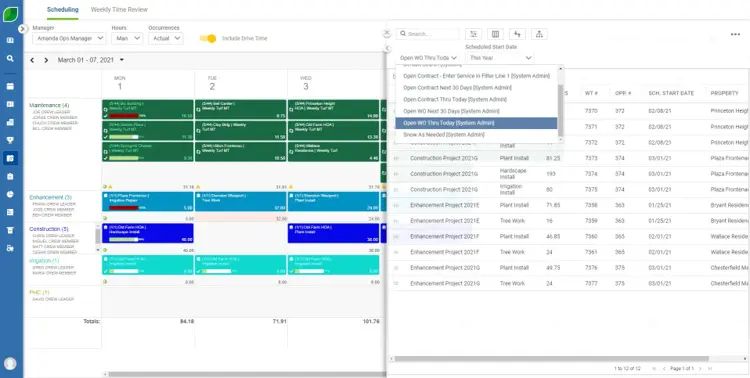
The scheduling feature turns signed work into work tickets and gives field teams a schedule they can update from either the office or the field.
The scheduling assistant, mobile app, route details, visit checklists, and field notes keep your crews aligned to the approved work. Better records will also reduce the chances of double entry during the busy season.
Over to you
A properly licensed landscaping business is better positioned to take on paid work, hire employees, and grow with confidence.
Once you have registration, permits, insurance, and job records in order, daily work gets easier to manage. Aspire helps your landscaping business keep proposals, schedules, invoices, and documentation organized and connected so that you can focus on growing your business.
Are you ready to organize your business with less manual work? Book a demo with Aspire today!
Disclaimer
This article is for informational purposes only and should not be considered legal or financial advice. While every care was taken to use official sources, you should always verify requirements on the Montana government websites.











 866-727-7473
 Schedule Demo
 390 S Woods Mill Rd #300 Chesterfield, MO 63017


