
Table of Contents
Table of Contents
- What are standard operating procedures in landscaping?
- Why are clear procedures important for landscaping businesses?
- Common types of landscaping business procedures
- Client onboarding
- Job scheduling
- Field operations
- Invoicing and billing
- Safety procedures
- Inventory management
- How do you create procedures for a landscaping business?
- What are the best practices for marketing and generating leads in landscaping?
- 1. Identify your target audience and unique selling proposition
- 2. Select effective marketing channels
- 3. Set a budget and measure ROI
- 4. Use referrals and networking to generate leads
- Examples of landscaping business procedures checklists
- The most common mistakes in landscaping business procedures
- How can technology improve landscaping business procedures?
- Examples of landscaping business procedures checklists
- The most common mistakes in landscaping business procedures
- How can technology improve landscaping business procedures?
Most landscaping business owners want to scale their business, boost profits, and expand into multiple regions.
For that to happen, the business owner can’t be the sole person in charge of daily operations.
When you’re the only one bidding on jobs, interacting with clients, managing equipment, and assigning crew members, growth stalls. Mistakes start creeping in: double-booked clients, inconsistent estimates, and slow, error-prone invoicing.
To truly scale, you need systems and procedures that streamline landscaping operations.
Not sure what these ‘systems and procedures’ mean or how to create them?
This article is for you.
Here’s what it covers:
Why systems matter
Common types of procedures that can streamline operations
How to create a business procedure for a landscaping business
Mistakes to avoid when creating one, and more
What are standard operating procedures in landscaping?
Standard operating procedures (SOPs) are well-documented, step-by-step guidelines that outline how landscaping tasks, such as mowing or fertilizing, are carried out. They ensure consistency and efficiency across landscaping operations.
SOPs serve as a guide for your landscaping crew so that tasks are consistently completed the same way across projects, regardless of who performs them.
An effective SOP will typically include details on:
Proper equipment for each task, maintenance, and storage
Correct techniques for lawn care operations
Safety gear for different projects
Landscaping crew’s responsibilities
Procedures for handling waste and hazardous materials
Best practices on client interactions
Job scheduling and assignments
Procedures for invoicing, collecting payments, and updating financial records
Checklists to complete before leaving a job site
But what makes good SOPs the foundation of a well-run business? Let’s find out.
Why are clear procedures important for landscaping businesses?
Detailed operating procedures bring order and consistency to your landscaping company. Instead of relying on verbal instructions or memory, your team can follow a defined set of steps for each task.
SOPs help business owners:
Improve operational efficiency: By standardizing operations, your company’s workflow is simplified. Employees waste less time figuring out what to do next. They can complete projects more efficiently and take on additional clients without compromising quality.
Ensure safety compliance: When there are clear directions and procedures for equipment handling, chemical use, and emergencies, workplace accidents and risks are minimized. SOPs also ensure your landscaping business stays compliant with environmental, local, and OSHA regulations.
Provide consistency across jobs: SOPs ensure that all employees follow the same steps for every project. This leads to uniform results across all job sites, boosting your reputation. Clients can expect the same service quality from your company, regardless of who’s handling the project.
Reduce training time and onboarding: With an SOP, you or managers spend less time supervising basic operations or training new hires. The document acts as a guide to help the newbies learn tasks quickly.
Scale and sell the landscaping business: SOPs make it easy for you to manage more crews, projects, and services as the business grows, without descending into chaos. Because there’s a documented process, operations remain smooth even across multiple teams and locations.
SOPs also demonstrate that the business is independent of the owner, making it attractive to buyers. It enables anyone to learn the business’s processes and implement them with ease.
Track performance and accountability: SOPs provide benchmarks for productivity and quality that you can track. They help you identify areas where the crew and the business excel and where they need improvement.
Common types of landscaping business procedures
Here’s a breakdown of the most common types of SOPs landscaping businesses need...

Client onboarding
An SOP should outline how your landscaping business welcomes new clients, setting the tone for the client relationship.
For most landscaping businesses, this includes (but is not limited to):
Information gathering: Collect essential details like name, email, phone numbers, site details, and budget using a new client form.
Site visitations: Conduct one or more site visits to understand the client’s needs, preferences, and expectations.
Defining expectations: Based on your workload, explain timelines, deliverables, and maintenance schedule.
To simplify the onboarding process, you can leverage Aspire to help:
Capture client information and project details in a single location. Instead of multiple client folders in a drawer by the desk, customers can fill out a simple form on Aspire. Their information is stored in Aspire’s CRM, which lets you easily pull it up to maintain meaningful relationships.
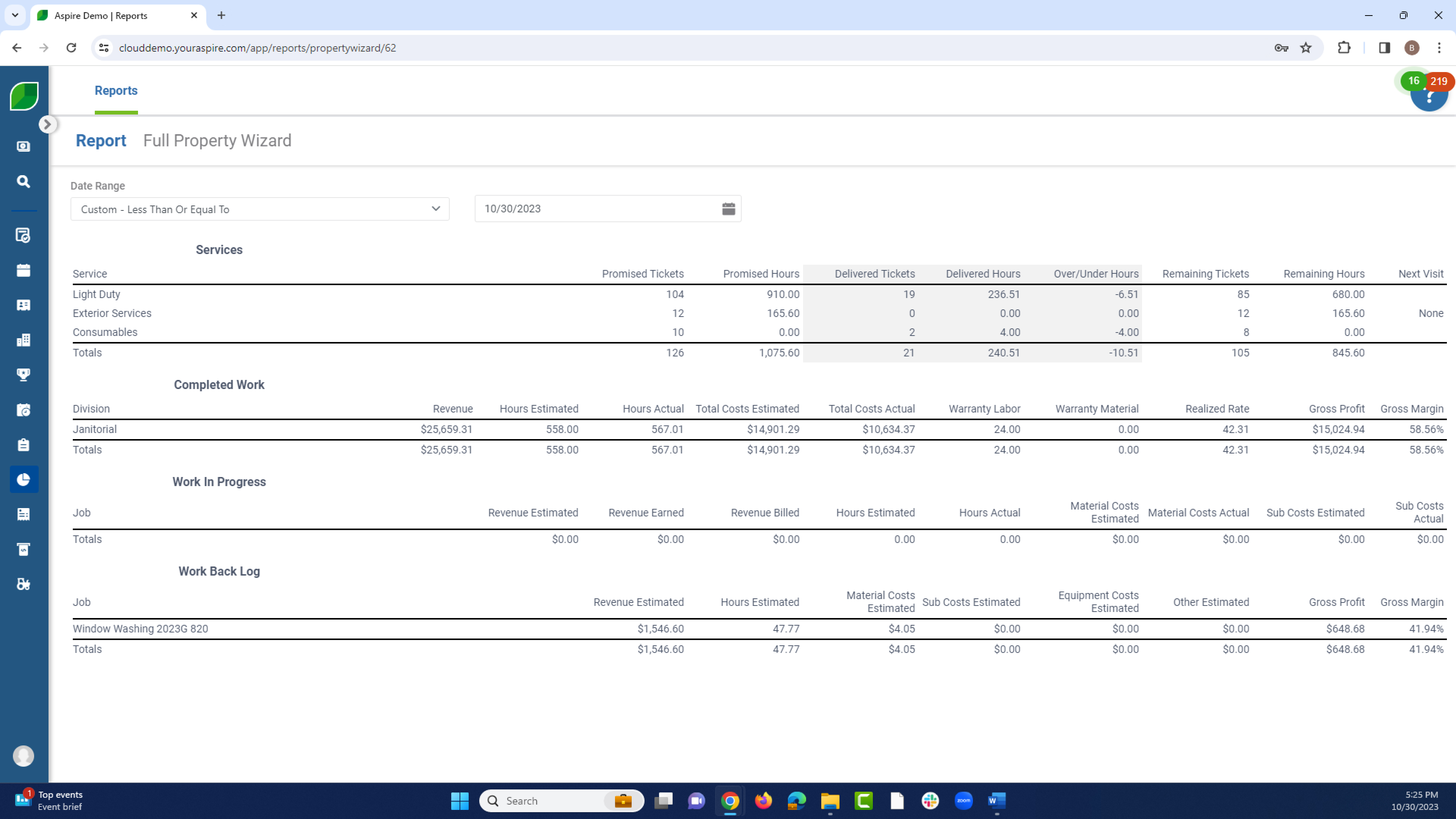
Create accurate quotes. Aspire offers an estimation tool that lets you create proposals using past project data. There are professional templates to help you design proposals, too.
Store contracts digitally for easy reference and client approval.
Job scheduling
Another operating procedure your landscaping business needs is job scheduling. This SOP must provide details on how new projects are processed from the moment they’re won.
What happens when you’ve secured a new project? Who notes it down in a calendar?
How do you prioritize and assign dates to the job?
Many companies go the manual route of using paper calendars or whiteboards in the office to schedule projects. They communicate with crew members via calls and texts and manually assign workers based on skill level, job type, and equipment needs.
But with the industry moving toward digital tools for scheduling, you need to do the same with your SOP, ensuring:
Automated recurring job scheduling for contracts
Optimized crew routes so fuel and time aren’t wasted
Real-time communication between office and field crews
Accountability with projects by monitoring the crew’s activity
So, for a job-scheduling SOP, you can leverage Aspire’s scheduling tool. It enables you to:
Use automated scheduling features to plan projects from the start. You can add them to your schedule with Aspire’s drag-and-drop digital calendar.
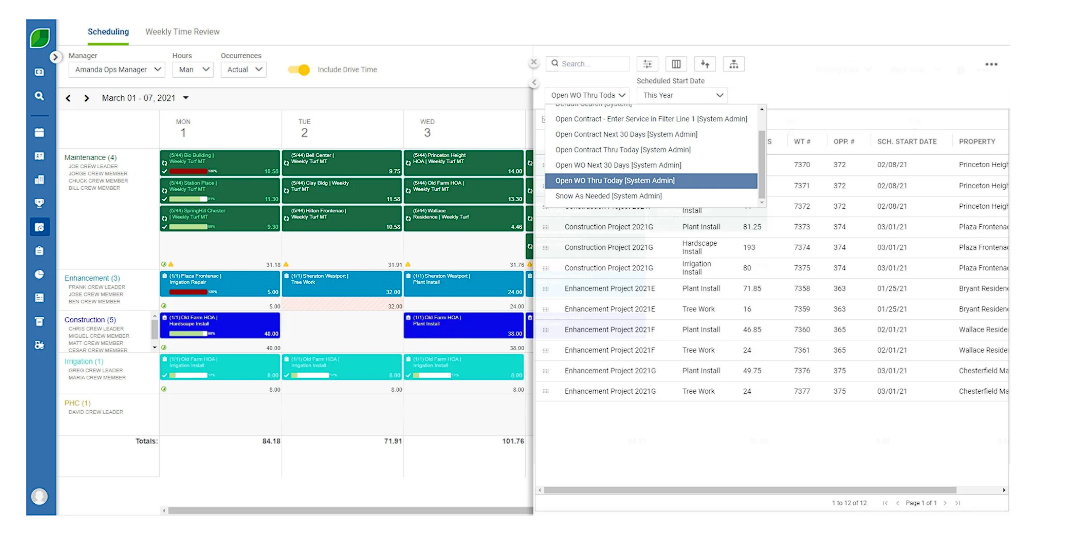
Details are transferred from the signed contract, making it easy to prioritize jobs by importance and crew availability.
Access real-time updates for route optimization: With the schedule calendar providing insights into all the sites you need to visit, you can reduce the crew’s arrival time by routing them by location distance.
Sync schedules across the team to avoid delays: Once changes are made to the schedule, updates are sent to your crew’s mobile app. This ensures everyone knows where they need to be throughout the day.
Field operations
A field operations SOP should cover daily tasks performed by your landscaping crew. Think about the first thing you expect them to do upon arrival at a job site. Should they:
Check equipment before heading out?
Call clients to confirm availability?
Review work orders and other special client requests?
Politely greet clients and not enter their properties without explicit permission?
Take ‘before pictures’ of the site?
Document all the different tasks you expect them to do before, during, and after a job. That will be your SOP for field work.
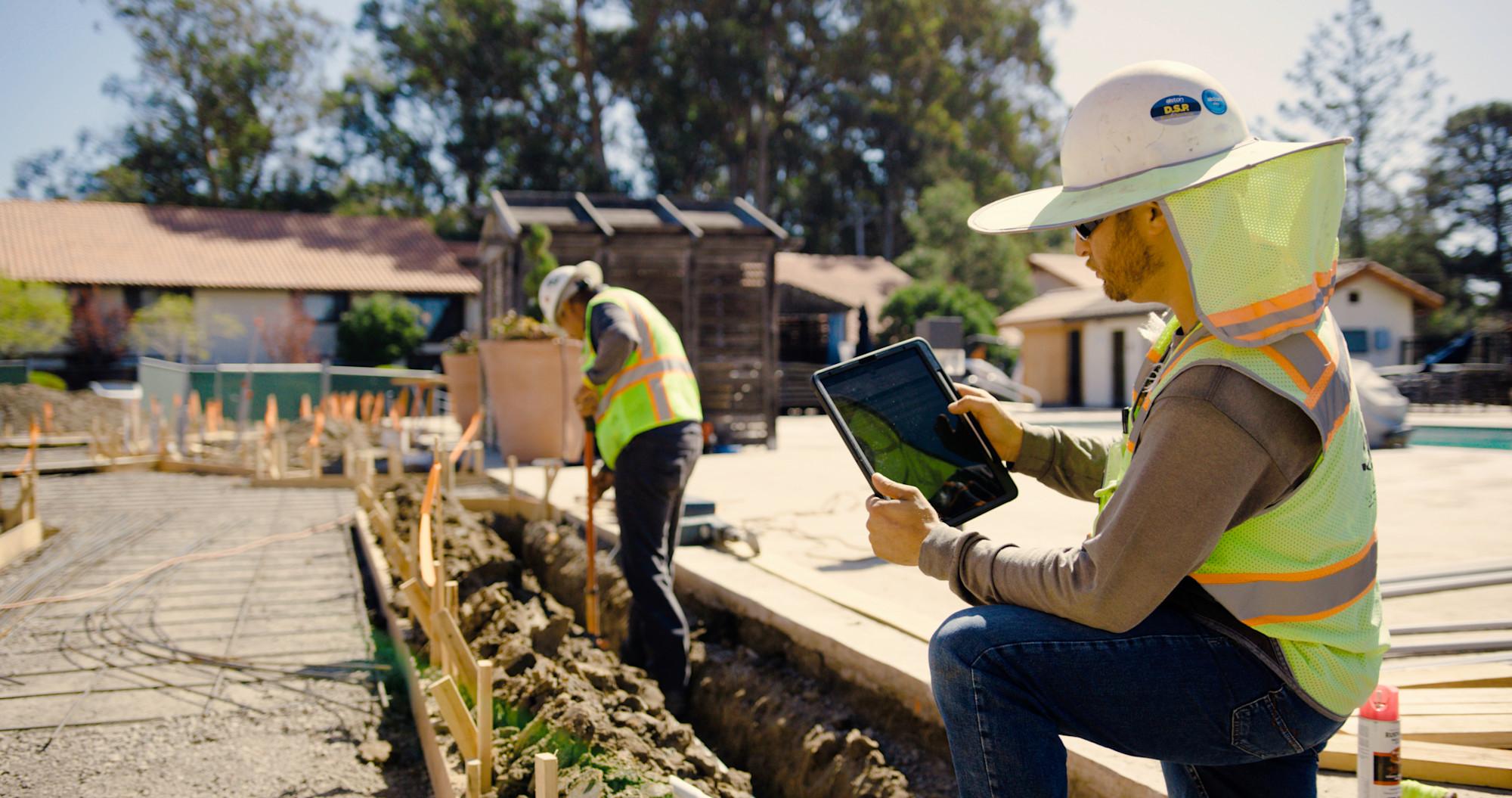
To ensure crews never forget their field tasks, Aspire’s Mobile App includes a checklist feature.
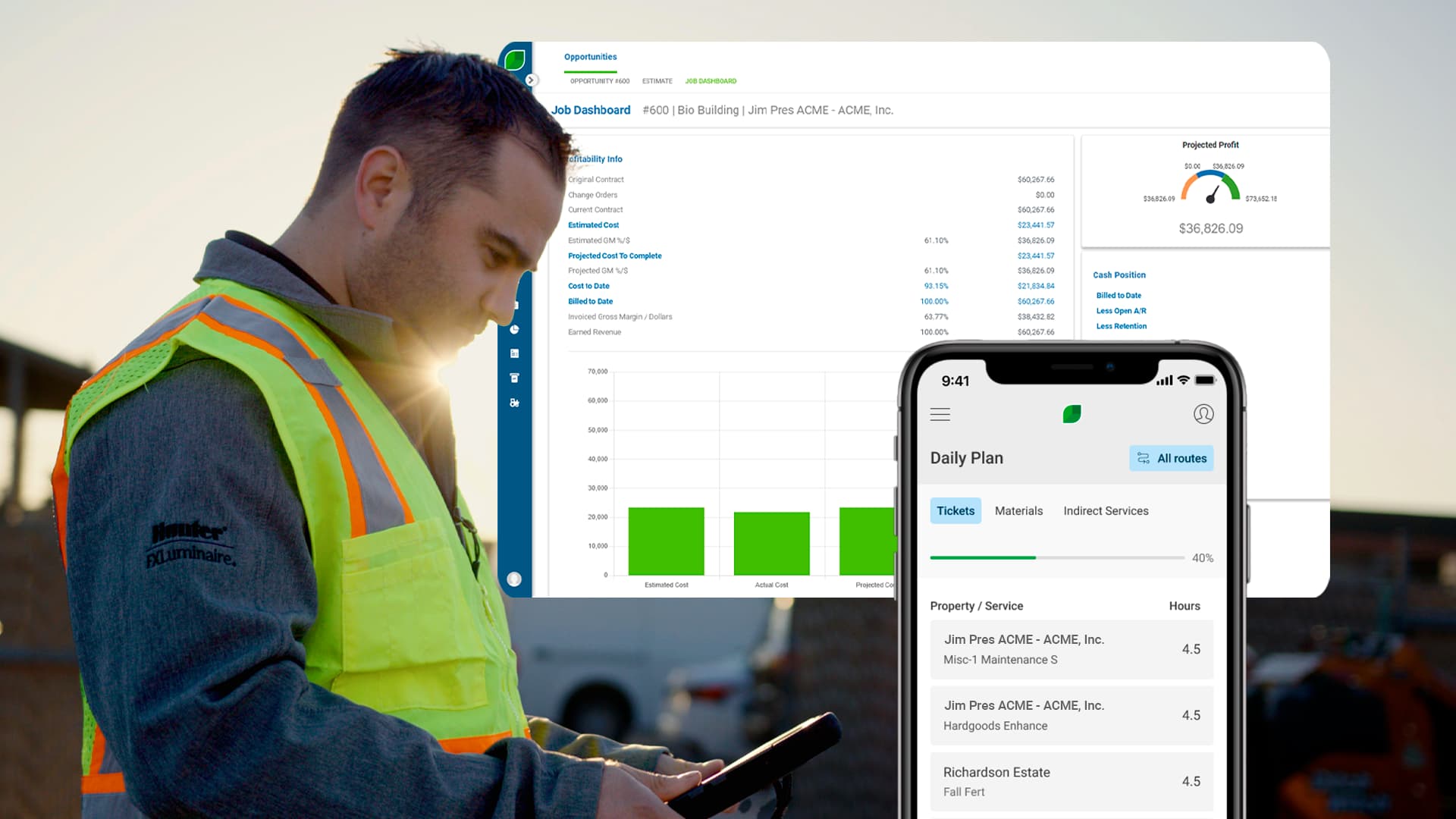
Once they start a job in the app, there’s a ‘Visit Checklist’ button that shows what needs to be done.
They can also:
Access their daily schedule and routes
Record job progress
Provide updates on the app
Take note of things that happened in the field
View open issues from clients
Record incidents, and more
Invoicing and billing
There should also be documented steps for creating invoices after a job, managing payment milestones, and tracking outstanding balances.
Here’s what an invoicing and billing SOP looks like for many landscapers:
After a project is complete, generate an invoice using spreadsheets between the 1st and 10th of a new month. It typically includes your business information, the invoice number and date, the client's name and address, itemized services, taxes or discounts, and the total amount due.
Define payment terms, e.g., due in 15 or 30 days. Also state payment methods in the invoice and outline late fee policies.
Send the invoice within 48 hours of job completion or on a set schedule via email with a PDF attachment.
Send automated email reminders for upcoming or overdue payments.
Highlight discrepancies and follow up with clients.
Reconcile invoices with bank deposits and payments that get logged in the accounting system.
That’s quite a process that Aspire lets you automate with its invoicing tool.
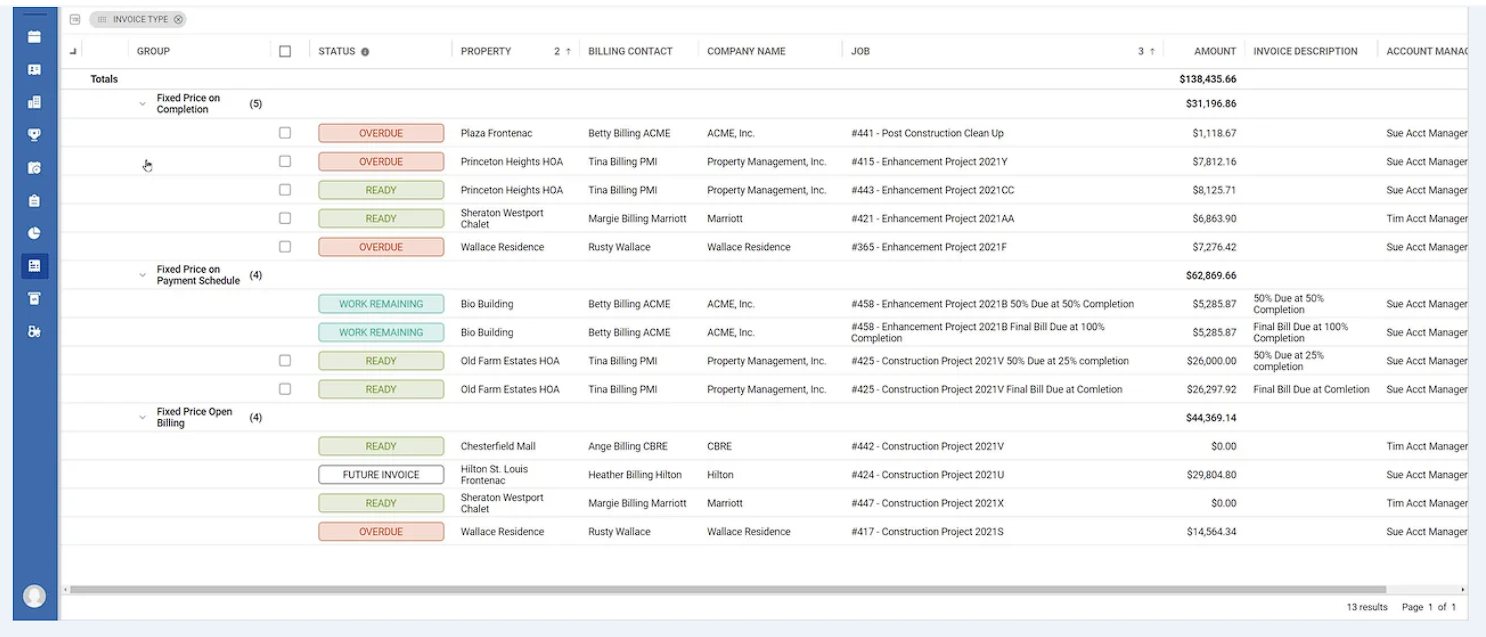
You can generate invoices with either an immediate or progressive billing option to accommodate the clients’ payment preferences.
Aspire even has a customer portal that lets you deliver the invoices to clients and process payments through the software.
You can also track invoices on Aspire and manage all your finances—from income to expenses, billings, and more, thanks to its integration with QuickBooks.
Safety procedures
Since landscaping work involves heavy equipment and chemicals, you need an SOP to protect clients, workers, and property while complying with safety regulations.
For most landscaping and lawn care companies, here’s what that would look like:
Equipment inspection before use.
Confirmation from the landscaping crew leader that workers are wearing PPE.
Identifying hazards, such as overhead power lines, and marking danger zones before work.
Delegating heavy equipment usage to trained staff who know how to handle it.
Wearing the right PPE during chemical application.
Reporting injuries immediately to a supervisor. Administering first aid and getting the crew leader to call emergency services.
Hosting regular safety briefings and equipment-use refreshers.
One way Aspire helps with this is by documenting a safety checklist you can share with crew members on the mobile app.
Inventory management
Landscaping businesses require supplies, such as mulch, plants, fertilizer, and equipment, to operate. It’s important to have an SOP to track usage and avoid shortages, over- or under-ordering, and wasted resources.
Many landscaping companies:
Record and track supplies manually. They use a logbook or spreadsheet to maintain records for different consumables that the company needs.
Monitor equipment usage. Storekeepers record fuel levels for vehicles and equipment, service schedules, and repairs.
Aspire’s equipment management feature offers a simplified way to monitor inventory.
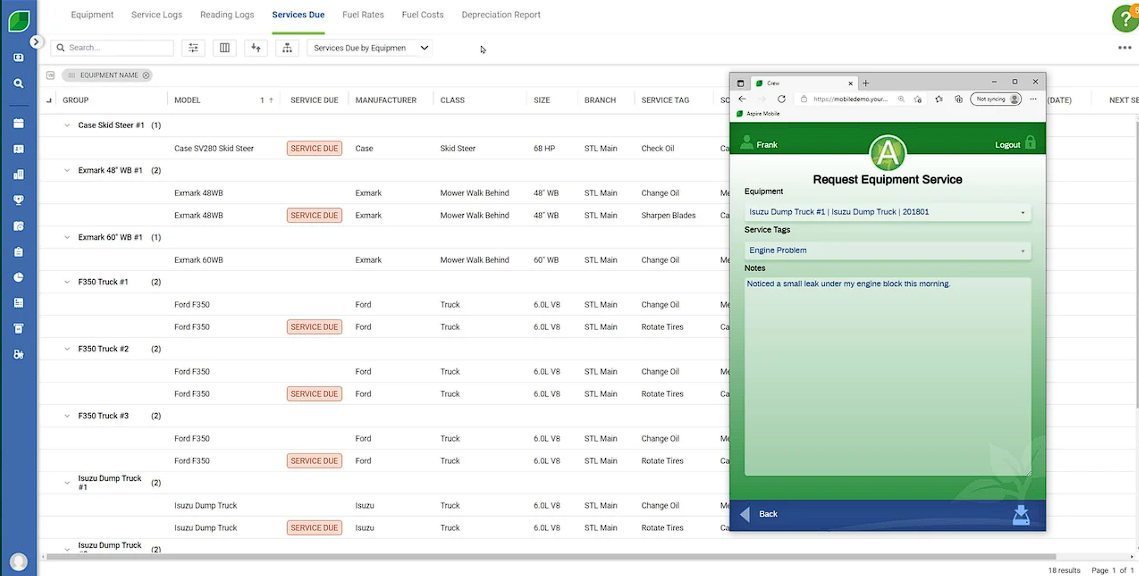
It provides real-time visibility into material usage and supply needs. You can track equipment usage, maintenance schedules, and service history.
Aspire alerts you when supplies are low or when a vehicle or piece of equipment needs attention. You won’t have to track material levels manually anymore.
How do you create procedures for a landscaping business?
Creating an effective landscaping SOP involves documenting clear instructions that your employees can follow to get the results you want.
Here’s how you can produce one:
Categorize different aspects of your operations: Break down your landscaping operations into different segments and identify repeatable tasks. This could be field operations, invoicing and billing, equipment management, or customer onboarding.
Clearly document existing processes: Write down the steps you take for the areas that require consistency.
Test the procedures with your team: Implement the steps you’ve created with employees. Collect feedback on the instructions. Is the SOP detailed enough, and does it capture the company’s process? Incorporate their feedback into the SOP, then test it again by having employees execute projects using the written instructions.
Refine the process frequently: Landscaping is influenced by weather, industry trends, project scope, crew size, and equipment. As such, endeavor to update the SOPs as changes happen.
What are the best practices for marketing and generating leads in landscaping?
Creating SOPs helps set the right foundation for scaling your business.
With SOPs, you can leverage proven marketing steps, such as those listed below, to promote your landscaping company and generate leads.
1. Identify your target audience and unique selling proposition
You can identify your ideal audience by analyzing existing customer data to find common traits and preferences. Review competitors’ customers and services, and identify gaps you can fill.
Next, interview customers to gather feedback on the value they receive from your services. This can be done through a short survey form.
Segment clients by property size, requested services, age, income level, location, business type, and lifestyle. Then, create robust buyer personas of your ideal clients.
Use these personas to find what makes you stand out. Identify what messaging resonates with your target audience.
2. Select effective marketing channels
Once you know who to reach and the right message that appeals to them, choose a marketing channel they’re familiar with.
For instance, Instagram and Facebook would be ideal for residential clients because of that personal touch, while commercial customers might prefer LinkedIn.
Besides social media, which lets you showcase past projects with high-quality videos and photos, other marketing channels to consider include:
Print marketing: Think local print ads, door hangers, billboards, and postcards for community outreach.
Local SEO: This involves creating a Google Business Profile with your correct address, reviews, and project photos. It also includes optimizing your website with keywords people search for.
Paid ads: You pay to promote your business on social media, search engines, and display networks. It helps you reach more people, generate leads, and track results.
Email marketing: You send emails to prospects who’ve shown interest in your business. This can include newsletters and promotional offers to nurture leads and build relationships with them. Aspire has a feature, Marketing Pro, that lets you create an email list and segment it using Aspire data. You can run a one-time or drip-sequence email campaign across multiple channels.
3. Set a budget and measure ROI
Regardless of the marketing channel you choose, set a realistic budget for your marketing campaigns. This helps you control costs, track campaign spend, and ensure you meet your business goals.
When a campaign is launched, monitor the campaign's spending regularly. Track metrics, such as cost per lead, conversion rates, and revenue generated by the campaign. This helps you determine whether the campaign is successful.
With Aspire’s Marketing Pro, you have access to a performance dashboard to track key campaign metrics. You can also track revenue attribution from each campaign.
4. Use referrals and networking to generate leads
Another way to market your landscaping business is through referrals. Incentivize clients and employees to refer new clients with a gift or discount.
You also need to connect with people in your community. Attend trade fairs, community days, and meetups to find your target audience.
Examples of landscaping business procedures checklists
Checklists help turn procedures into actions, ensuring your landscaping crew doesn’t miss key steps.
Here are examples of procedure checklists for your landscaping business:
Client onboarding: This checklist describes how to transfer the client's details from sales to the operations team. It welcomes new customers and turns proposals into a well-executed job:
Create a welcome package for the client that includes a welcome email, FAQ, and emergency contact information.
Prepare a handoff document to share all client details, commitments, and expectations with the operations team.
Walk the site to validate the scope and access.
Finalize job setup, crew assignments, and quality standards.
Begin service and perform early quality checks.
Daily operations: A daily operations checklist outlines what crews are expected to do when they’re out in the field. Here’s a sample for mowing and lawn care operations:
Walk the property to identify hazards (rocks, toys, debris)
Confirm mowing height and pattern
Take ‘before’ photos
Edge sidewalks and driveways
Trim around fences, trees, and flower beds
Blow off hard surfaces
Take ‘after’ photos
Inform the office of completion
Have the crew leader review the job
Confirm work completion with the client (if required)
Safety inspection: Here, you outline the field worker’s responsibilities regarding safety. What should they do to stay protected at all times?
Equipment is inspected for leaks, loose parts, or dull blades before departure from the office.
Chemicals are stored and labeled properly.
Emergency contacts and procedures are reviewed.
Crew briefed on site-specific hazards.
All crew members wear PPE (gloves, boots, goggles, ear protection) upon arrival on site.
First aid kit stocked and accessible on site.
Inventory management: An inventory checklist keeps the business operational and ensures everyone is in the loop about available supplies, equipment in need of repair, and maintenance needs.
Check stock levels of mulch, fertilizer, seed, and plants.
Confirm PPE and consumables (gloves, fuel, oil) availability.
Inspect equipment (mowers, trimmers, blowers) for maintenance needs.
Record fuel levels and refill if necessary.
Log damaged or missing tools.
Update the inventory system after each job.
The most common mistakes in landscaping business procedures
When creating landscaping SOPs, avoid the following errors:
Failure to document procedures: While it’s okay to have a verbalized system for field operations, the only way to ensure crews follow the right procedures is to document them.
Inconsistent training: SOPs are only as effective as the amount of training you’ve given your landscaping crew. They need to put it into practice before it becomes a regular part of their workflow.
Poor communication: One of the best ways to get your crew members to use an SOP is to invite them along from the moment you decide to create one. This prepares them for the new change, and they’ll comfortably share useful feedback that can improve the SOP.
Making them too complicated: Procedures shouldn’t be too complicated, or it might be difficult for crews to follow them in the field. Replace technical jargon with simple checklist-style instructions that your team can follow with ease.
How can technology improve landscaping business procedures?
Technology, through field service software, helps streamline landscaping operations.
Instead of manually handling tasks like scheduling, accounting, and client management, tools like Aspire let you manage them all from a centralized location.

Aspire covers different aspects of your lawn care business, including sending estimates, assigning jobs, creating invoices, purchasing supplies, tracking costs, and managing crews.
More specifically, here’s how Aspire helps improve business procedures:
It lets you send digital proposals and estimates to clients and get their signatures on contracts. With a robust CRM system, you can collect necessary details and store agreements in one place. This lets you onboard clients faster, reducing errors and providing a good first impression.
It helps you assign crews to jobs, plan routes, and update schedules in real time. This reduces travel time, prevents missed appointments, and ensures everyone understands their duties at all times.
Provides automated billing that generates and sends invoices to clients after a job is completed. This makes it easy to track payments, send reminders, and manage finances.
Gives crews access to digital work orders and checklists so they know what’s expected of them in the field. They can share photo updates with stakeholders, take notes, and track daily progress. This leads to consistency in work quality and accountability across projects.
Book a free demo with Aspire to gain full insights into how it simplifies your business procedures.











 866-727-7473
 Schedule Demo
 390 S Woods Mill Rd #300 Chesterfield, MO 63017


