
Table of Contents
Table of Contents
- Do you need a license to start a landscaping business in Indiana?
- What are the types of landscaping business licenses & permits in Indiana?
- Step-by-step process to get a landscaping business license in Indiana
- How much does an Indiana landscaping business license cost?
- What are the most common mistakes to avoid when getting a license?
- How Aspire helps landscaping businesses stay organized & compliant
- Over to you
- Disclaimer
The state of Indiana has a lot to offer—low taxes, affordable real estate, and thriving communities. This might have inspired you to start a landscaping business in the state.
However, you’re unclear about the licensing—specifically, the processes, fees, and paperwork—the business will need.
In this article, you’ll learn about the:
Types of business licenses required in Indiana
Costs involved in securing a license
Steps to obtain a landscaping business license
Ready to navigate the licensing process in Indiana so you can launch your business as soon as possible?
Let’s get to it!
Do you need a license to start a landscaping business in Indiana?
No, you don’t need a landscaping license for general landscaping services in Indiana. In fact, the state doesn’t require one single, comprehensive license for businesses.
However, if you’re going to run a business here, there are regulatory requirements involving several state agencies that you must meet.
They include:
Filing articles of incorporation with the Secretary of State
Registering with the Indiana Department of Revenue for tax purposes
In addition, you need a license from the Indiana State Chemist if your landscaping services will include applying pesticides or fertilizers.
What are the types of landscaping business licenses & permits in Indiana?
To operate a legal landscaping business in the state, here are the different types of licenses and permits you might need.
Landscape architect license
This is an essential requirement if your services will include landscape architectural work, such as site plans, drainage, or grading.
The landscape architect license can be obtained from the Indiana Professional Licensing Agency, and it requires that you:
Have sufficient work experience in the field or an accredited degree
Pass the Landscape Architect Registration Examination (LARE)
Provide references for the application
Pest control license
If applying pesticides or weed control will be part of your landscaping services, you’ll need a pesticide business license from the Office of the Indiana State Chemist.
Landscaping operators typically need to get certified in Category 3b (turf pest management) and 3a (ornamentals). Additionally, safety education meetings are required for license renewals.
Nursery dealer and nurseryman licenses
These permits are crucial if you intend to resell or commercially grow plants, shrubs, or ornamental plants.
You can get them from the Indiana Department of Natural Resources.
For the dealer license, you need to list the sources from which you buy nursery stock, as they must be inspected and certified by the government.
Local permits and licenses
Several municipalities in Indiana require specific permits and licenses for landscaping businesses. You’ll need to check in with the city or county clerk’s office to know what’s needed.
Here’s what to keep an eye out for:
City business licenses to operate your landscaping business in a specific city.
Local permits needed for certain landscaping jobs.
Step-by-step process to get a landscaping business license in Indiana
Now that you know the licenses you’ll need, here’s how to go about getting them:
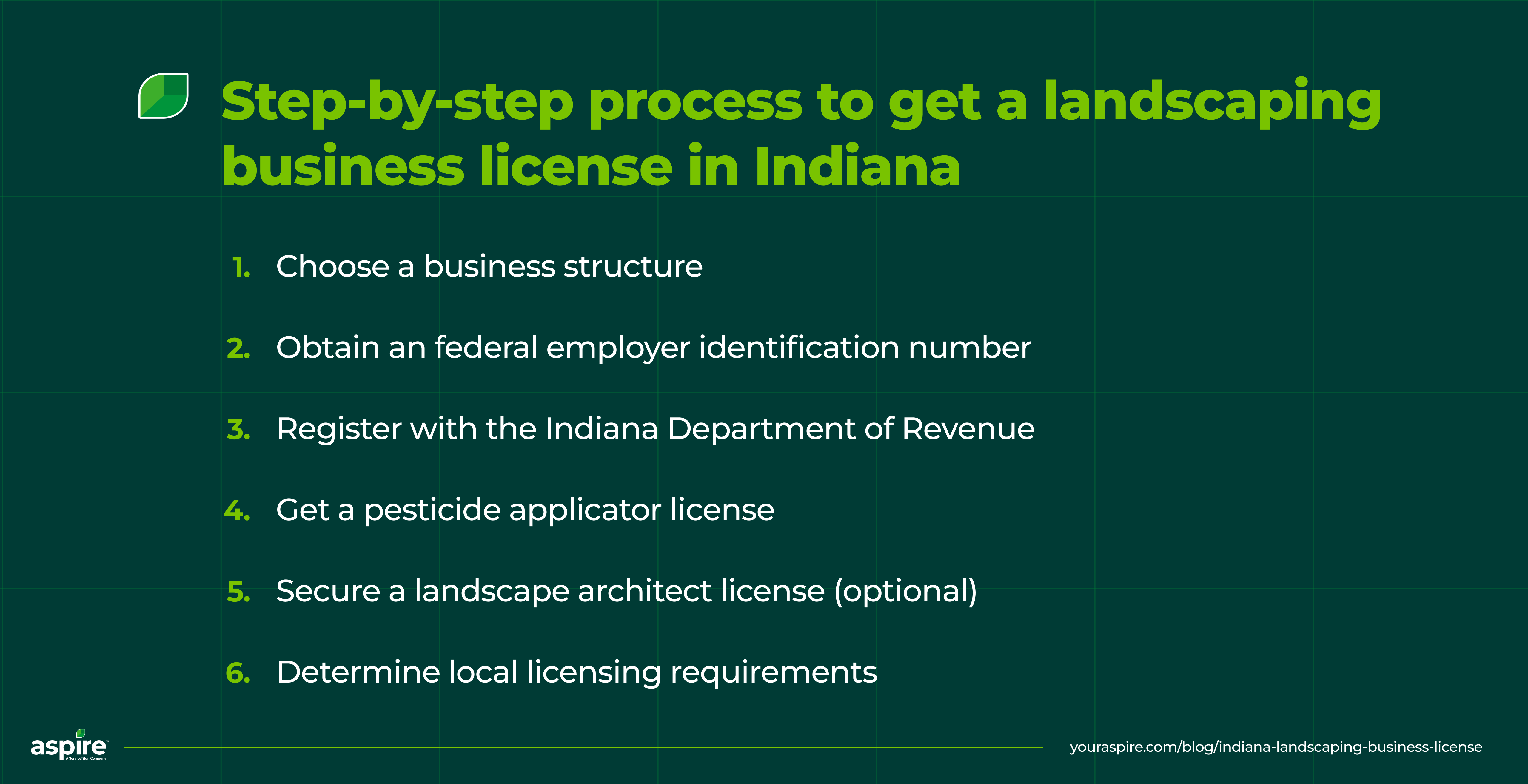
1. Choose a business structure
The first item on your checklist is to select a business structure that aligns with your goals and values. This impacts your liability, legal responsibilities, and tax filings.
If you decide to go with a sole proprietorship, for instance, you’ll be responsible for all debts incurred and any other liabilities. Plus, taxes are reported on your income tax return as self-employment taxes.
Other options to consider include:
Partnership: Ideal if you’re starting the business with a partner. You both share profits, responsibilities, liabilities, and ownership.
LLC: Offers personal liability protection and keeps taxes simpler.
Corporation: A good option if you’re seeking investors. It provides the strongest liability protection but comes with stricter regulations.
2. Obtain an employer identification number (EIN)
Get a federal employer identification number (FEIN) from the Internal Revenue Service so you can:
File employment taxes appropriately
Hire landscapers and other workers
To get one, you’ll need a Social Security Number and a defined business structure. With that information in hand, visit the IRS website and complete an application for the FEIN.
3. Register with the Indiana Department of Revenue
You’ll also need to register for sales, use, and income taxes with the Indiana Department of Revenue.
It’s a prerequisite if you intend to sell taxable items like plants, shrubs, or materials.
The specific certification needed is the Retail Merchants Certificate, which you obtain by filing form BT-1 with the department.
Once you’ve been registered as a retail merchant, you’ll be assigned a tax identification number and issued the appropriate sales tax returns.
Being certified by the department allows you to collect and remit sales tax.
4. Get a pesticide applicator license
Businesses offering pesticide applications need a commercial applicator certification to operate in Indiana.
It’s also a legal requirement if you intend to apply general-use and restricted-use pesticides.
To get certified, you will need to take a:
Core examination that covers the basics of pesticide use.
Category exam that relates to landscaping, such as the Category 3b (turf management) and 3a (ornamental pest management).
Once you pass the exams, you can apply for the certification at the Office of the Indiana State Chemist.
Find more information about the pesticide license here.
5. Secure a landscape architect license (optional)
If your services will include designing irrigation systems and planning outdoor spaces, you need a landscape architect license.
This permit lets you bid on large projects and differentiates your business in a crowded market, signaling expertise and professionalism.
To get a landscape architect certification, you need to:
Have a degree in landscape architecture from a program accredited by the Landscape Architectural Accreditation Board (LAAB) or sufficient years of experience under supervision.
Pass the Landscape Architect Registration Examination (LARE) administered by the Council of Landscape Architectural Registration Boards (CLARB).
Apply for the license through the Indiana Professional Licensing Agency with proof of transcripts, verification of experience, and exam scores.
Pay the required fee and renew when necessary.
6. Determine local licensing requirements
You’re all set with the state-level permits and certifications.
Now, it’s time to go local, as most cities and counties have specific requirements for landscaping services.
Check in with the local government for the area in which you’ll be operating, for details on what’s needed. Some might require one or more of the following:
Landscaping license
General contractor license
Landscaping insurance policy covering your employees, vehicles, and clients.
Surety bond
Application fees
Be on the safe side and contact the local clerk's office in time.
How much does an Indiana landscaping business license cost?
Here’s what it will cost you to obtain the licenses discussed above:
General business fees
Filing fee for an LLC (required if you’re forming a limited liability company): $100 by mail or $95 to file online with the Indiana Secretary of State
Processing fee: 2.15% of the filing fee
Agent costs (optional): $100–$500 per year.
Pesticide applicator license
Pesticide business license: $45 (requires a certificate of insurance)
Restricted-use pesticide dealer registration: $45 annually
Retail merchant certificate
Sales tax registration: $25 (non-refundable application fee on Form BT-1)
Landscape architecture license
Application fee: $220
Renewal fees: $120
Other costs you may incur will be from the city or county where your business operates.
What are the most common mistakes to avoid when getting a license?
Starting a landscaping business in a new state requires due diligence. You need to stay compliant with state and local government regulations to avoid fines and legal issues.
To ensure you succeed in your new business venture, here are some mistakes you must avoid:
1. Overlooking local licensing requirements
While federal and state regulations are important, don’t forget about local government requirements.
Many municipalities have their own specific landscaping licenses you need to secure before starting work. This ensures potential clients trust the business, and you don’t experience any run-ins with the law.
2. Not securing the appropriate insurance
Obtaining insurance policies is required for many local landscaping licenses. They require auto insurance, workers’ compensation, and general liability coverage.
In Indiana, however, insurance is also required at the state level to obtain a commercial pesticide license.
Understanding what coverage your business needs at both the local and state levels is essential to staying compliant.
3. Forgetting to renew licenses
Licensing isn’t a one-and-done event. Most state and local permits require annual or periodic renewal to remain valid.
Pesticide application permits, for instance, are good for five years, while landscaping architecture licenses require renewal on December 31st of odd-numbered years.
Missing these deadlines could result in fines or even the loss of your license, putting your business at risk.
How Aspire helps landscaping businesses stay organized & compliant
Starting a landscaping business requires you to be at the top of your game. You’ll need a way to:
Bid on jobs and send proposals
Manage contracts
Schedule projects
Send invoices and receive payments
Manage equipment and the entire operations
If you don’t have a system that handles all that, you can leverage Aspire, a field service management platform that gives your landscaping business an edge with tools for bidding, project scheduling, and payment processing.
Here are all the ways Aspire helps keep operations running smoothly and clients happy.
Contract and proposal management
Aspire enables you to bid on landscaping jobs and secure new contracts. Its contract management tool offers customizable proposal templates, allowing you to quickly create and send project bids.
You can send as many proposals as you want, and Aspire lets you store and manage each agreement.
With all the proposals and contracts in a single location, you can:
Ensure agreements are aligned with state and local regulations.
Review contracts for discrepancies before signing.
Maintain documentation for reference in case of disputes or incidents.
Invoicing and payment processing
Your client has approved the contract agreement, and all is set for the landscaping project. The next step is to send an invoice so the customer can make a deposit.
While the traditional way is to design an Excel document and email it to your client, Aspire offers a more streamlined approach with its invoicing feature.
It allows you to send digital invoices with accurate pricing and receive payments on Aspire.
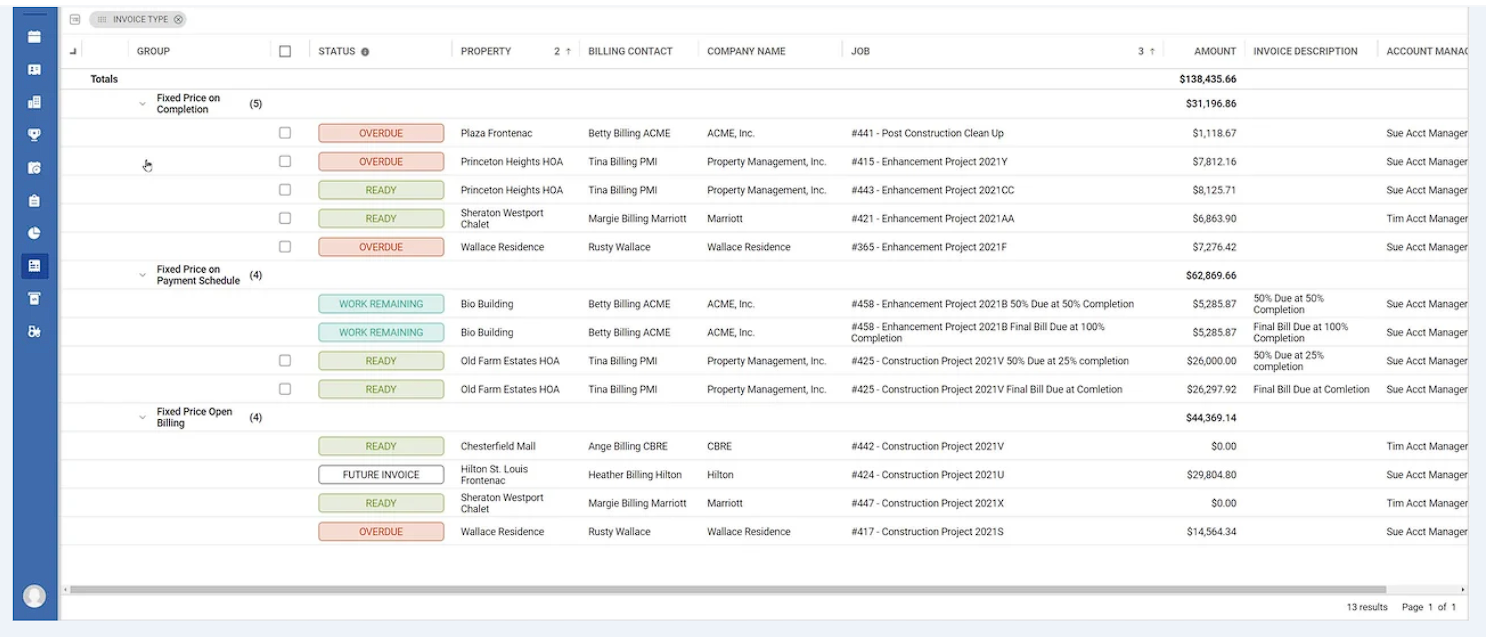
Aspire’s payment system lets you:
Automate billing for your services.
Track financial transactions (paid invoices, overdue, and partial payments).
Find crucial information, including project status and account management.
Aspire ensures your financial records align with the state’s tax regulations. Plus, it provides detailed insights into your finances.
Business reporting and documentation
Aspire’s reporting tool gives you an overview of your landscaping business operations. It allows you to monitor different aspects of the business you’d like to track, such as:
Project profitability
Direct costs
Project inventory
Client retention rate
Employee productivity
Work tickets
Tax filings
If there’s specific data you’d like to see, Aspire lets you pull it up.
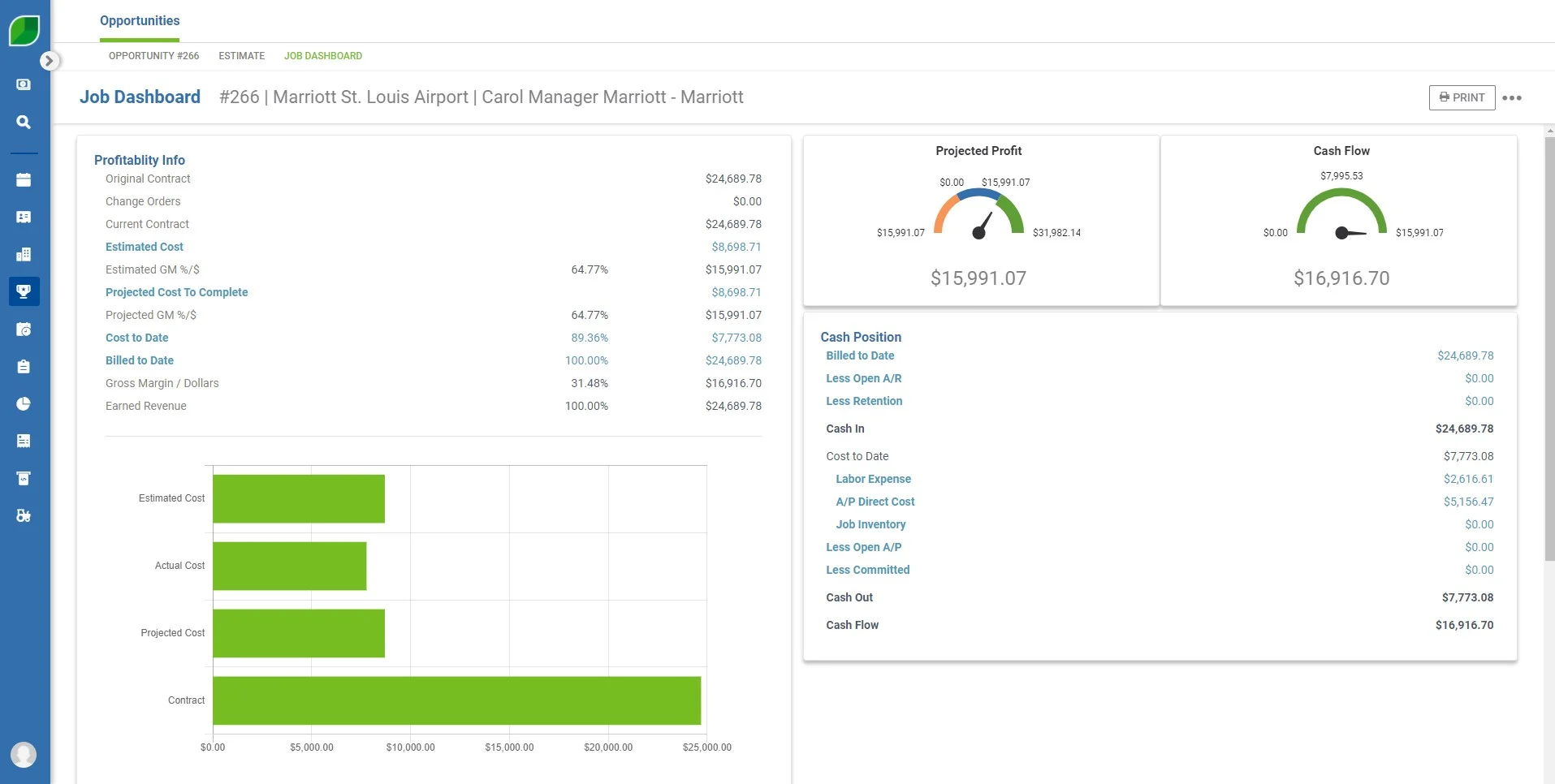
Essentially, you have access to contract-level profitability reports, which show you precisely which services are driving the most revenue in your company.
Scheduling and job management
With Aspire, landscaping businesses can schedule projects effectively and assign projects based on worker availability.
Its calendar-style scheduling feature lets you plan workloads without overloading the team, keeping your schedule balanced and organized.
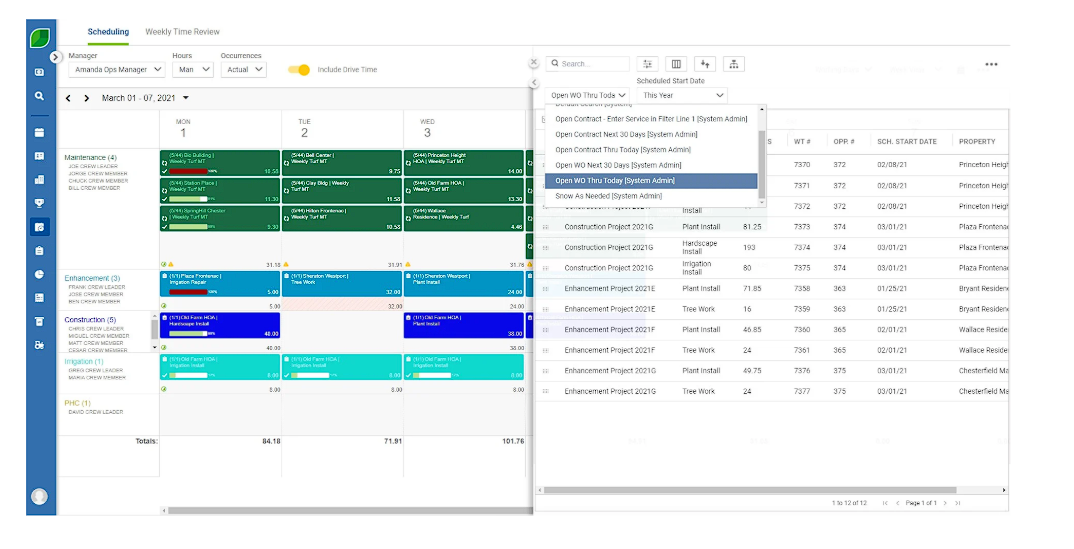
You can easily move projects through the workflow once they’re won and delegate tasks to the right crews based on their skills and expertise. This ensures projects stay on track, workloads are managed effectively, and productivity remains high.
Over to you
Now that you know what licenses are needed to launch your landscaping business in Indiana, you need a tool like Aspire to help manage and streamline operations.
It gives you control over the different aspects of your landscaping company so you can focus on providing top-quality services and maximizing the business’s growth potential.
Book a free demo to see how Aspire can improve your landscaping business.
Disclaimer
This article is for informational purposes only and should not be considered legal or financial advice. While every care was taken to use official sources, you should always verify requirements on the Indiana government websites.












 866-727-7473
 Schedule Demo
 390 S Woods Mill Rd #300 Chesterfield, MO 63017


