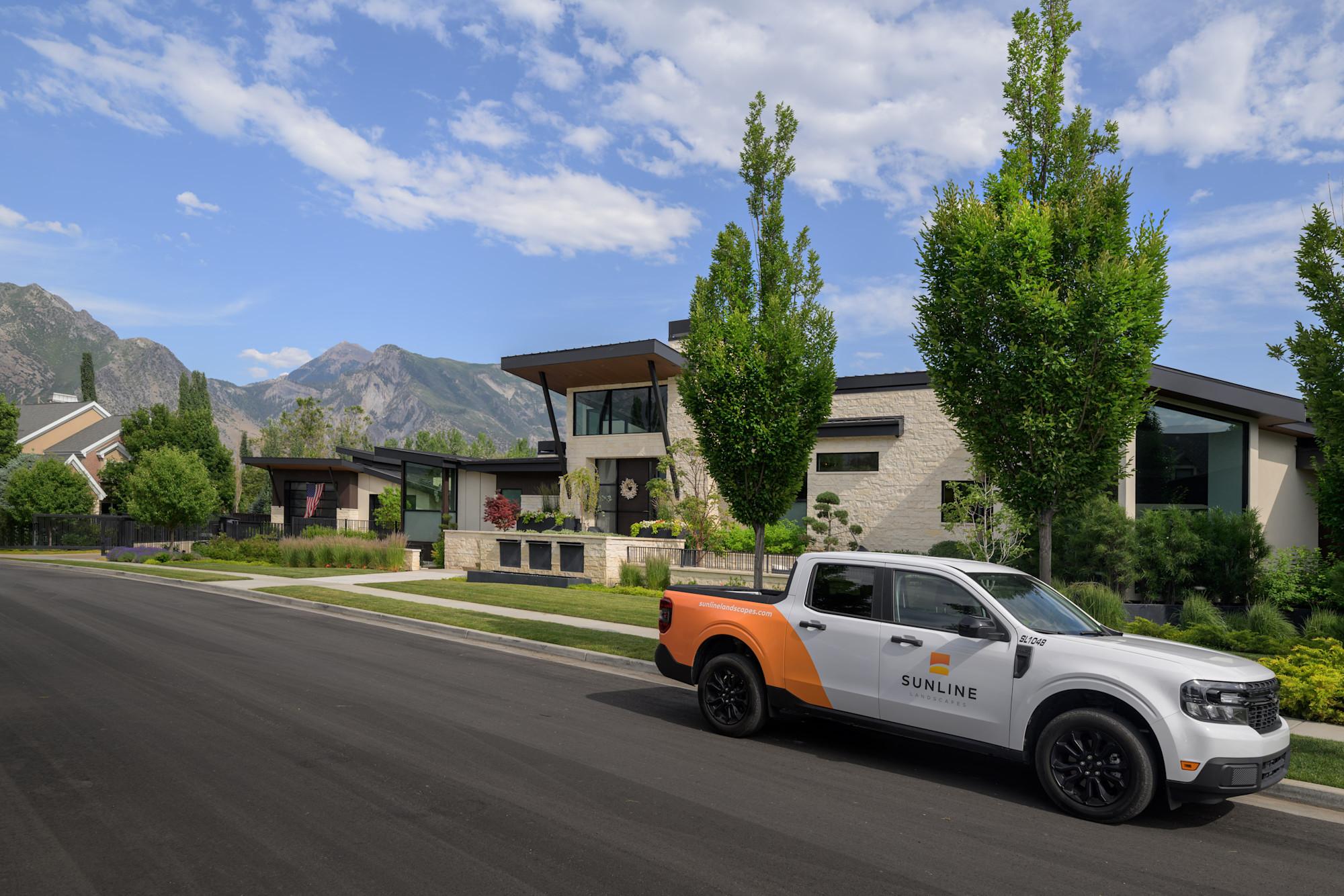
At some point, Sunline Landscapes stopped accelerating.
The high-end residential and commercial landscaping company in Bluffdale, Utah, was growing. But a plateau set in, and Sunline’s leadership team began asking questions.
The business ran across multiple platforms. Estimating in one place, labor tracking in another, invoicing somewhere else. Getting a clear picture of where a job stood meant opening several programs and hoping the data matched.
It often didn't.
Taylor Anderson didn’t work for Sunline when those conversations, and a switch to a new platform, happened in 2021. She now serves the 120-employee company as its Aspire administrator, internal trainer and, by her own description, guru. But Anderson has heard the before-state described enough times to know what it meant.
"It makes people who are in a rush, because we're all busy, not have to go, 'I need to open this, this, this, and this to be able to find out what I'm actually getting," Anderson says of Aspire.
And she sees how Sunline runs every day now.
"I need to open Aspire and see where I'm at," she says. "That's all it is. The less steps you have for people, the more they're going to follow process."

What Sunline needed wasn't a simpler system but a deeper one to support its design, build, construction, and maintenance operations. Sunline needed a platform that could connect estimating, labor, materials, purchasing, and financial reporting in a single workflow and could scale as the company's projects grew longer, more complex, and more expensive to get wrong.
For Sunline's office, crews, and clients, having everything in one place meant that plateau wouldn't last.
A fragmented tech stack
Before Aspire, the fragmentation created more than inconvenience. It had real consequences on job profitability.
"Our materials and job costing are a lot better than they were before," Anderson says. "Before, we would have an estimate or a design, and we would find it, and then it was like, 'Go buy it,' and then also have the guys clock into a separate system. It was very disconnected."
The result was a company making its best guess at job performance and often finding out too late that the guess was wrong.
"We were like, 'Well, we think we're doing OK on this job,'” Anderson says. “And then we'd finish it, and we'd look at it, and we'd be like, 'Oh, we're not doing OK on this job. We were way over on labor and way under raw materials, or we got the wrong materials.'"
Now those numbers live together. Estimates, materials and labor are in the same view, pulling from the same line.
"There's no room for error because it's the same in this module and this one and this one," Anderson says. "We're able to more tightly align that with what it actually is rather than guessing because they're clocking in and out, we're checking our materials, and we have a better idea of how much time this actually does take."
What one place actually means
The consolidation changed more than job costing. It changed how Sunline makes decisions.
"We have a history of everything, and that's what we need to be able to make decisions going forward," Anderson says. "'Our gross margin is this number right now. They want these three change orders, and that's going to bring our gross margin to this.'"
That visibility is immediate. When a client asks for changes, the margin impact is visible before anyone commits to anything, not after the invoice goes out.
"When you're putting in materials for even a concept of a job for somebody, to already have the pricing being pulled up: That's one of the biggest game-changers," Anderson says. "It's easy to throw all the pretty stuff on there and make it look good. And that's what design plans are for. But the estimating and the actual cold, hard numbers in front of you just immediately puts your brain on: Am I on time and am I on budget?"
The same visibility helps Sunline manage what it can't control. In a market where inflation, fuel prices and material costs can shift mid-project, having a clear picture of where a job stands at the start is the difference between absorbing a surprise and being buried by one.
"We know the world we live in right now is so up and down," Anderson says. "There are things we can't control. Being able to control things like our labor, how long the guys are on a job, what we're charging — that helps us take some of those variables and make them not seem as daunting. We can see early on if we may not be doing as well. It enables us to make sure that we're set up for success from the beginning."
The platform makes process happen
Beyond the numbers, Aspire changed how Sunline's teams communicate and stay accountable across departments and out in the field.
When a maintenance enhancement gets approved, the company now creates an internal issue in Aspire connecting the plant procurement team, the enhancement production manager, and the property care manager. Updates are posted there. Progress is tracked there.
"Rather than getting lost in a slew of emails or texts or in-person conversations that always happen and then we forget about it," Anderson says, "it's there. That little process of being able to have the information in one place has been really great for us."
A supervisor covering for a vacationing account manager can pull up a client inquiry and answer it without a single phone call.
For crews in the field, the change is just as tangible. Time is tracked through Aspire, meaning crew members know they're getting paid accurately for the hours they work.
"That's a big one for them," Anderson says, "because we want to make sure they're getting paid."
And crews use Aspire's issues feature to communicate proactively, flagging problems they spot on a property, responding to requests, sending photos when a job is done well.
"They love showing off when they've done a good job on something, so they take a picture and send it back," Anderson says. "It enables them to put a little pride behind their work, because we want them to be proud of what they're doing and we want them to show it off."
History that doesn’t disappear
Sunline maintains client relationships that span a decade or more. A project might move from design to construction to maintenance and stay there for years, sometimes longer than any individual employee's tenure.
"We are a company where projects start with the design, they go through the construction, and then they come over to our maintenance team, and they could be maintenance clients for years and years," Anderson says. "To have the history of that has been really, really great because we know what's going on with our projects. Because who knows? That project manager might not be there, or that property care manager might not be here anymore, and it's built into our system to be able to find."
Maintenance clients have noticed. Some call and ask what they paid in 2022. Sunline can tell them by pulling up the contract and walking through what has changed and why.
'It makes us do everything'
Anderson's favorite description of what Aspire does for Sunline isn't about a specific feature. It's about what the platform removes.
"It makes us do everything," she says. "There's nothing we can skip because it's just hard to do. It takes the pressure off us to follow certain parts of our process because it already does it for us."
That, in the end, is what the switch was about: Not leaving a platform behind but moving toward one that could carry the company forward.
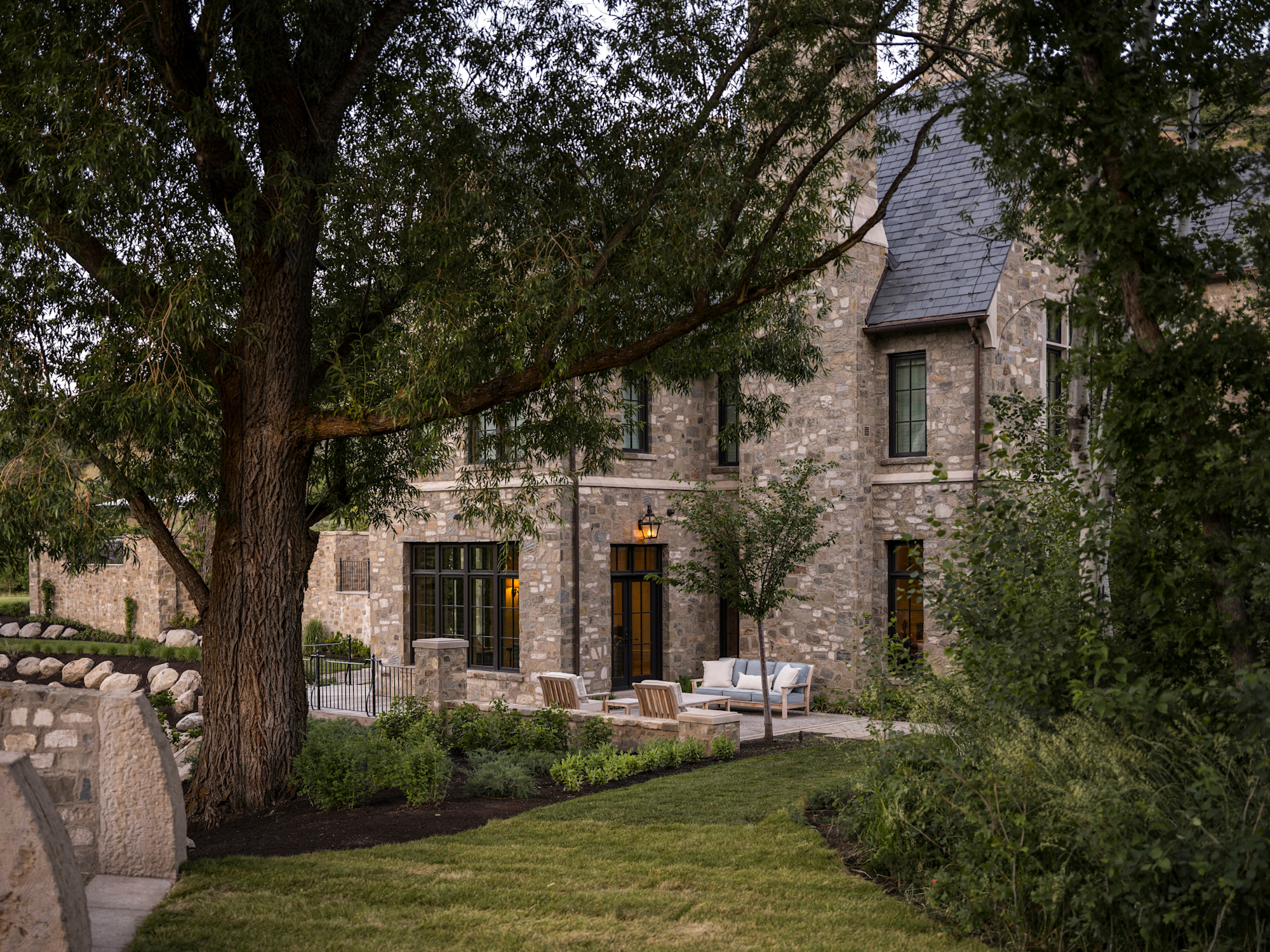
"One of our biggest things we talk about at Sunline is growth and progression," Anderson says. "And our switch to Aspire really played into that growth and progression core value. If we want to grow, if we want to get bigger, if we want to make more and work on these huge projects, we need to grow and progress with the industry. And this is the direction we felt like Aspire was taking us."
The plateau is behind them.
"It's time and money that we feel is worth investing," Anderson says, "because we're able to have the visibility. We're able to see what's going on. We can make changes. We can grow and be seen as a leader in the industry. We feel it's worth the time and the effort and the money we pay for it."






 866-727-7473
 Schedule Demo
 390 S Woods Mill Rd #300 Chesterfield, MO 63017


