ManagementOperations 48 minutes
ManagementOperations 48 minutes
September 22, 202625 minutes
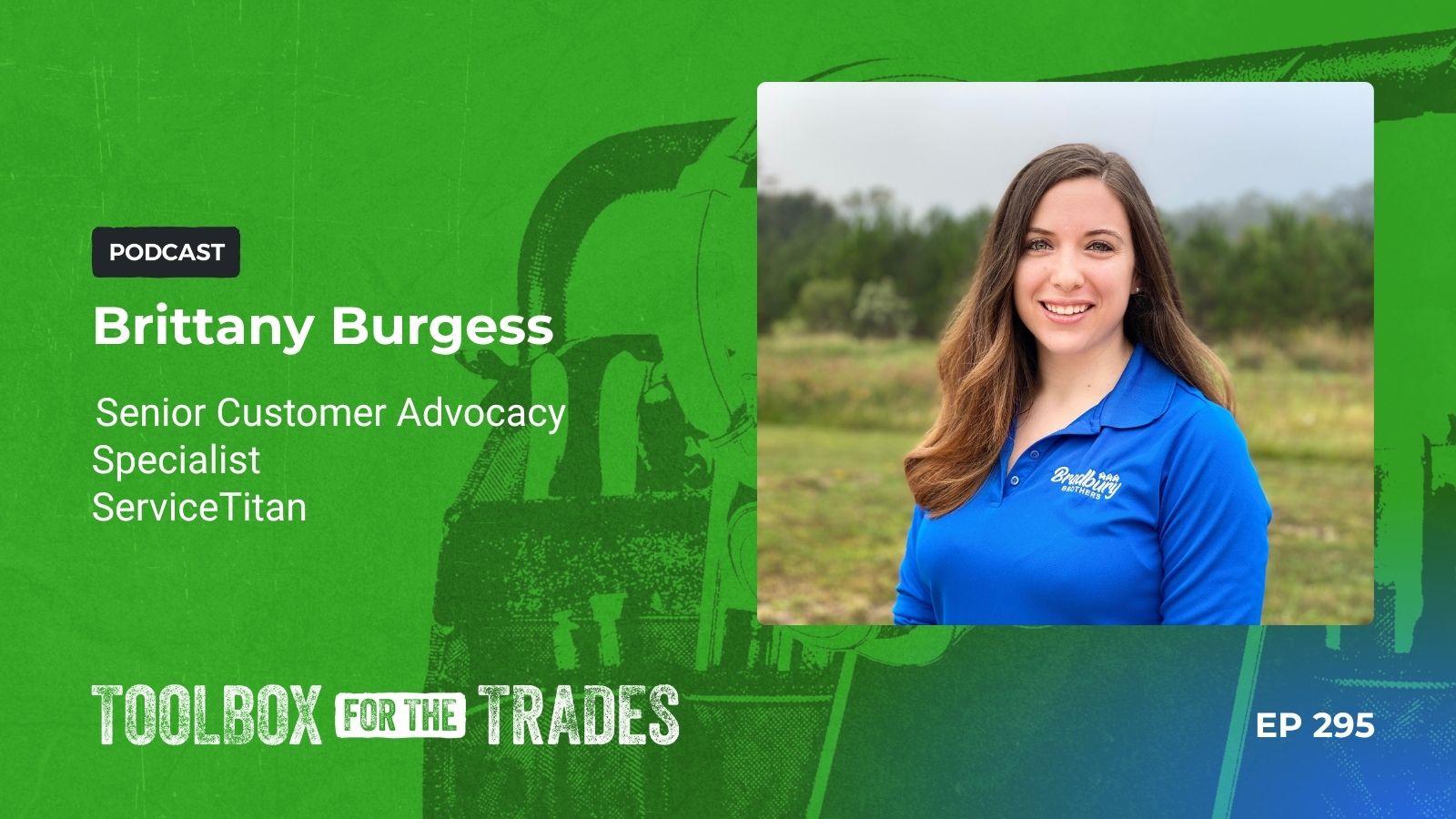
Two of the company's biggest mowers broke down the day the rain finally stopped. Two weeks of nonstop downpours had already left customers wondering why their lawns weren't getting cut. Then the equipment failed, right when there was finally a chance to catch up. Brittany Burgess had spent years in the trades before she and her husband, Chris, launched a landscaping company with a close friend. Four months in, that friend was sidelined by a medical emergency, leaving just the two of them to run it. "I adore my husband so much. I would do anything for him just about." They split roles the way they'd split their household — Chris in the field, Burgess in the office, running the business on Crew Control to keep the trucks moving. Then came the storm season that broke them. Torrential rain, dead mowers, crews catching up on overgrown lawns by hand while customers threatened to walk. "It just got to this point where it felt impossible and I just started to question, 'Why are we even doing this? Is this good for us? Do we want this?'" Chris asked her directly. She said no — fast enough that it surprised her. "We realized, oh, both of us are holding on for the other person without actually wanting it ourselves." Closing the business meant confronting what they owed the employees who depended on them. "You have an obligation to your employees, but if it has to fail, for whatever reason, they're gonna be okay. They really are." Every employee who left landed somewhere better — higher pay, work they actually wanted. Burgess doesn't call the venture a loss. Chris has a line for it. "People pay this much for a master's degree, so I'm just gonna consider it like a master's degree." What survived the business was the marriage — and a clearer set of rules for running one. "Define those roles. Put it down on paper. Who owns what?" Brittany Burgess recently joined Amanda Salvatore on the "Toolbox for the Trades" podcast to discuss: [4:00] Early challenges that led to the breaking point of a couple-owned landscaping company [13:11] Dealing with the immediate fallout of shuttering a business and breaking the news to employees [19:34] Why correctly identifying roles and responsibilities is essential to a family business’s survival Check out these resources we mentioned during the podcast: ServiceTitan To hear more stories from the trades, subscribe to Toolbox for the Trades on Apple Podcasts , on Spotify , or here . Know a business that could use a bit of muscle from ServiceTitan? Refer them here! Listening on a desktop & can't see the links? Just search for Toolbox for the Trades in your favorite podcast player.
August 18, 202625 minutes
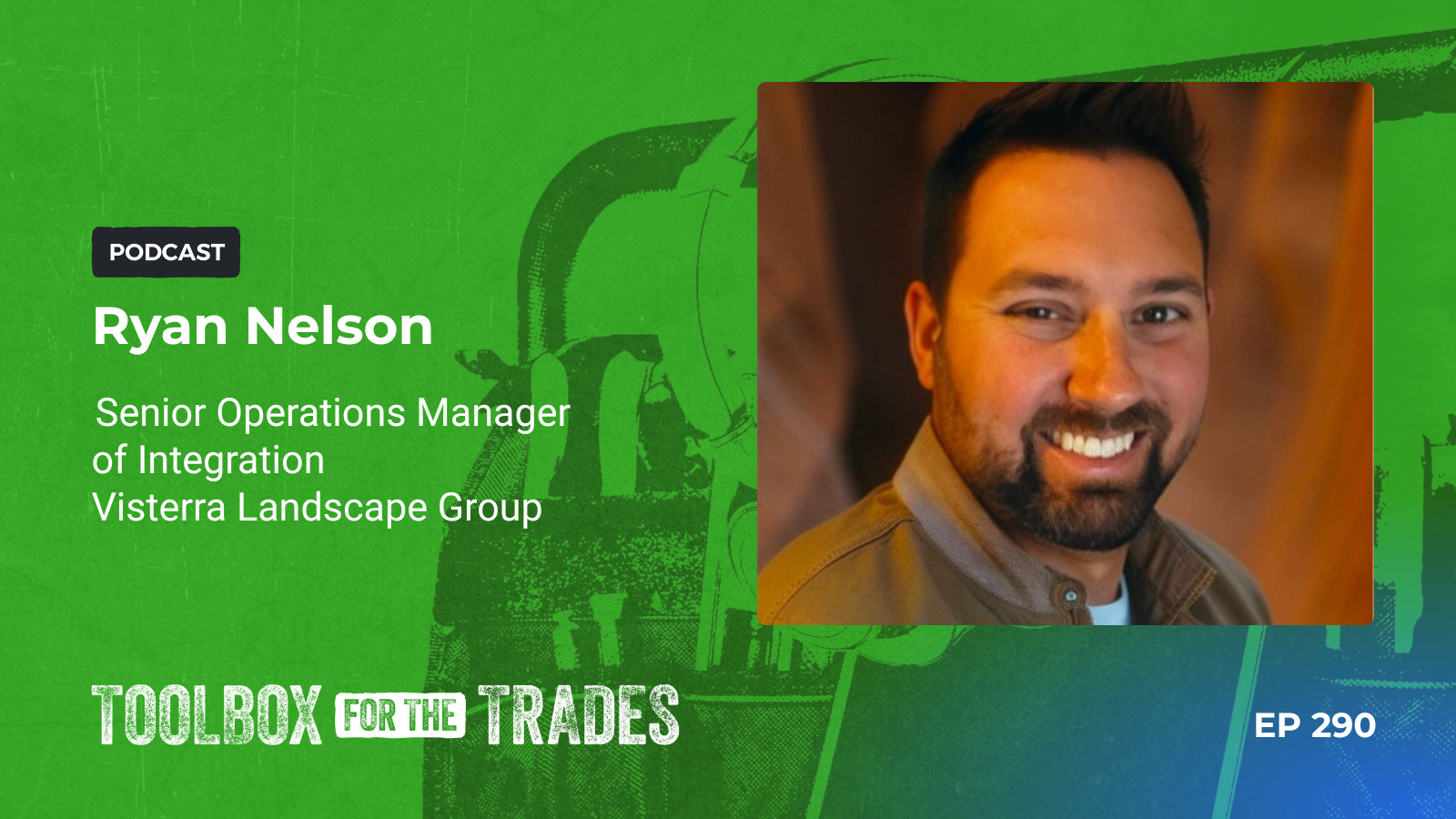
One landscaping company had Aspire fully live in under 30 days. Another, with far more staff and far more revenue, took nearly a year. The difference wasn't the software. It was discipline. Ryan Nelson, Senior Operations Manager of Integration at Visterra Landscape Group , has sat on every side of a rollout — customer, implementer, and now corporate leadership. That range taught him a simple rule: more tracking isn't the same as more control. "Stick to the core items. That's really what it comes down to." Nelson has watched teams try to cost every irrigation fitting and split labor rates down to the dollar, chasing precision that never pays for itself. "It's usually complexity of the business" that decides how fast an implementation moves — not headcount, not revenue. He's upfront about the runway to expect. A realistic system takes about three years to fully dial in, with each year building on the last. "You just have to be willing to put in that time to get it done." The same principle carries into management. Nelson sees new managers dropped into roles with no shadow period and no structure, left to learn on the fly. "Ask a lot of questions. No one's gonna come to you and just provide information, right?" That same instinct — start plain, add complexity only when it's earned — is how Nelson thinks about new technology, from autonomous mowers to AI. "Come in with the basics, learn the basics, and then grow on it from there." Open up your mind to new possibilities of how you're gonna operate your business… The whole point of getting the software isn't to change what you're doing, it's to help it. Ryan Nelson recently joined Amanda Salvatore on the "Toolbox for the Trades" podcast to discuss: [3:23] why adapting to new software never truly stops after implementation [10:44] keeping software setups simple versus over-engineering your operations [17:05] why manager training is one of the trades' biggest opportunity gaps [23:00] why simplicity should guide adoption of new AI tools Check out these resources we mentioned during the podcast: Aspire To hear more stories from the trades, subscribe to Toolbox for the Trades on Apple Podcasts , on Spotify , or here . Know a business that could use a bit of muscle from ServiceTitan? Refer them here!
August 4, 202637 minutes
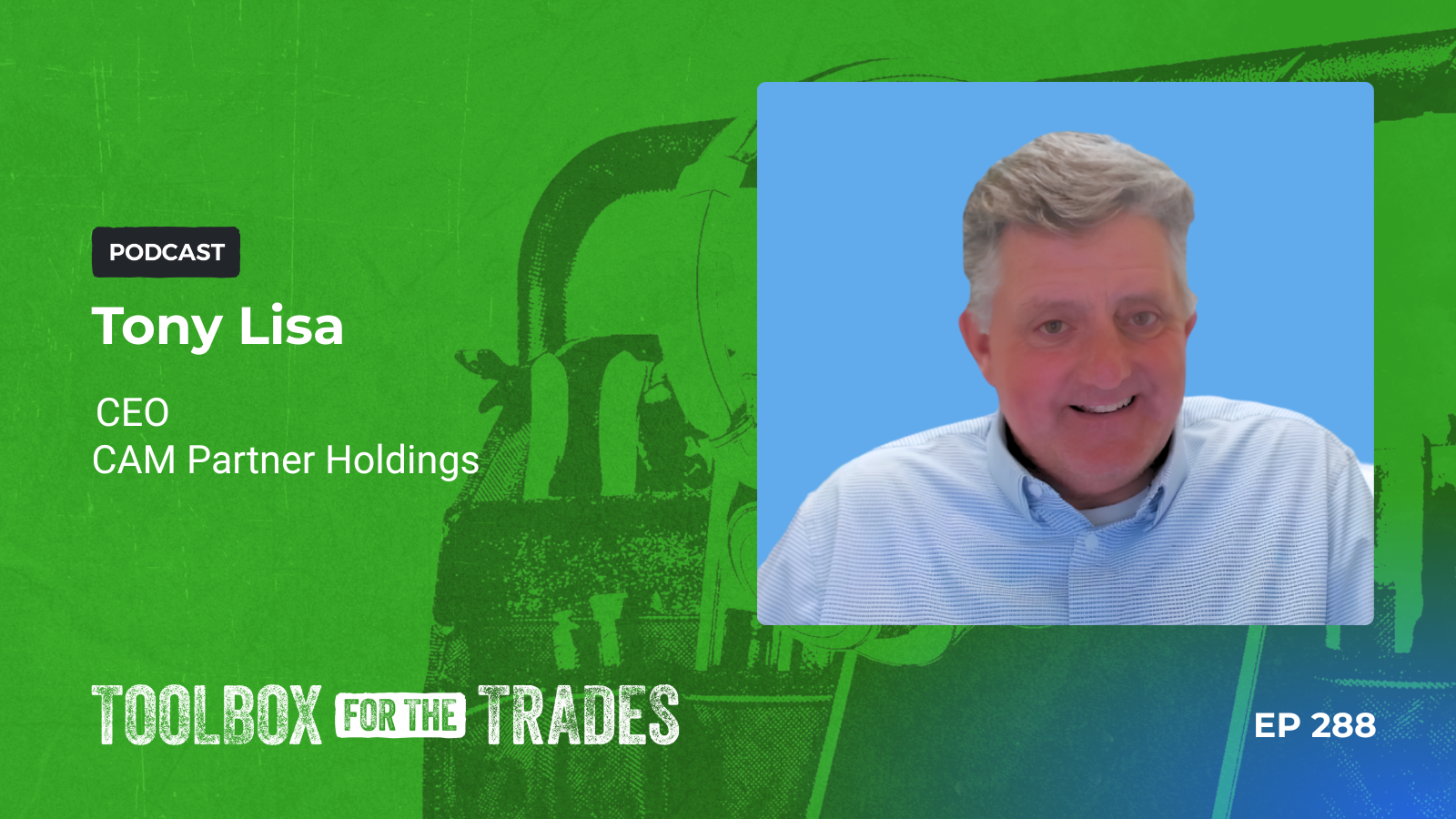
Five times bigger. Ten times better positioned financially. And, for the first time in fifteen years, actually in control of his own schedule. That's the payoff after a decade of near-misses, hard lessons, and one uncomfortable meeting with a customer who almost walked. It wasn't inherited. It wasn't luck. It was rebuilt, piece by piece, from a landscaping and snow-removal outfit into a full property-services company. Tony Lisa, CEO of CAM Partners in New England, has spent over a decade turning a small landscape maintenance business into a multi-service operation serving apartment complexes, grocery chains, and gas stations across the region. "Our business has a low barrier to entry. It's not hard to get the work. It's hard to sustain the work over time. It's hard to make money doing it, right?" Growth came from saying yes to requests that had nothing to do with landscaping — a storage cage here, a fence repair there — until those favors became entire service lines. "Say yes and figure it out 'cause they're desperate to have somebody to help them to do this stuff." By 2020, that momentum turned into a partnership, a debt-free balance sheet, and a new name: CAM Partners. "Partnerships are marriages, and it's very important to make sure you have the right teammate, and I'm incredibly lucky on that front." The acquisition strategy that followed is deliberately unsentimental — geography first, then whether an owner is ready to grow instead of cash out. "We want to basically acquire entrepreneurs and turn them into bigger entrepreneurs." None of it meant stepping back completely — just stepping out of being the only hand on everything. "Don't be afraid to be big, and the key piece to doing that is investing in your team when that happens." Tony Lisa recently joined Amanda Salvatore on the "Toolbox for the Trades" podcast to discuss: [5:01] Why you’re only as good as the job you’re doing right now [14:52] Why a functional business partnership is like a marriage [21:59] When you lose a customer’s trust and first steps to recovery [27:16] Inside CAM Partners' acquisition strategy and advice for owners scaling from $5M to $10M Check out these resources we mentioned during the podcast: Aspire To hear more stories from the trades, subscribe to Toolbox for the Trades on Apple Podcasts , on Spotify , or here . Know a business that could use a bit of muscle from ServiceTitan? Refer them here!
July 14, 202633 minutes
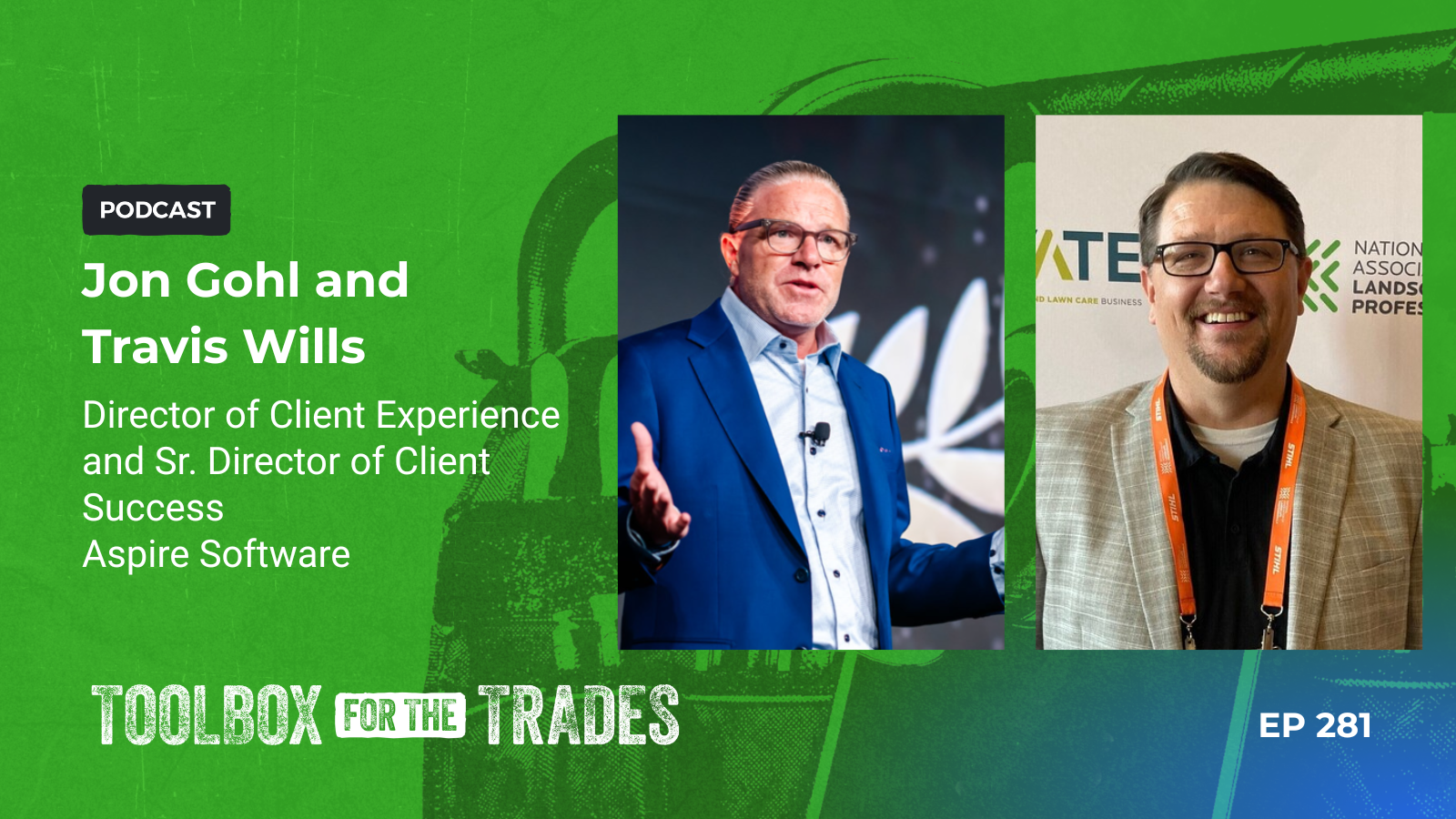
Jon Gohl , Director of Client Experience at Aspire Software , and Travis Wills , Aspire’s Sr. Director of Client Success, join host Amanda Salvatore for a high-impact session on surviving and thriving during the mid-season grind. Broadcasting live, the trio addresses the immediate macroeconomic pressures landscape contractors are facing, from unexpected fuel and fertilizer volatility to late visa worker shortfalls. Jon and Travis explain why waiting until December to check your financial numbers is a fatal error, urging business owners to conduct a thorough mid-season audit right now. They unpack tactical strategies to protect shrinking margins, including building strict purchasing processes, optimizing route density, and shifting away from strict mentorship toward active operational sponsorship of your crew leaders. Finally, they address the growing soft-skills gap, showing how face-to-face communication, role-playing, and being “steady in the storm” will ultimately separate thriving landscape operations from the rest. Join us as we discuss: [3:22] The logistical and labor struggles of landscaping businesses in 2026 [10:57] Ongoing recruitment challenges and work visa hurdles [19:04] Why landscapers need to start appealing to younger talent [26:31] Why waiting till end of year to review your margins is a mistake You can find this interview and many more by subscribing to Toolbox for the Trades on Apple Podcasts , on Spotify , or here .
June 16, 202634 minutes
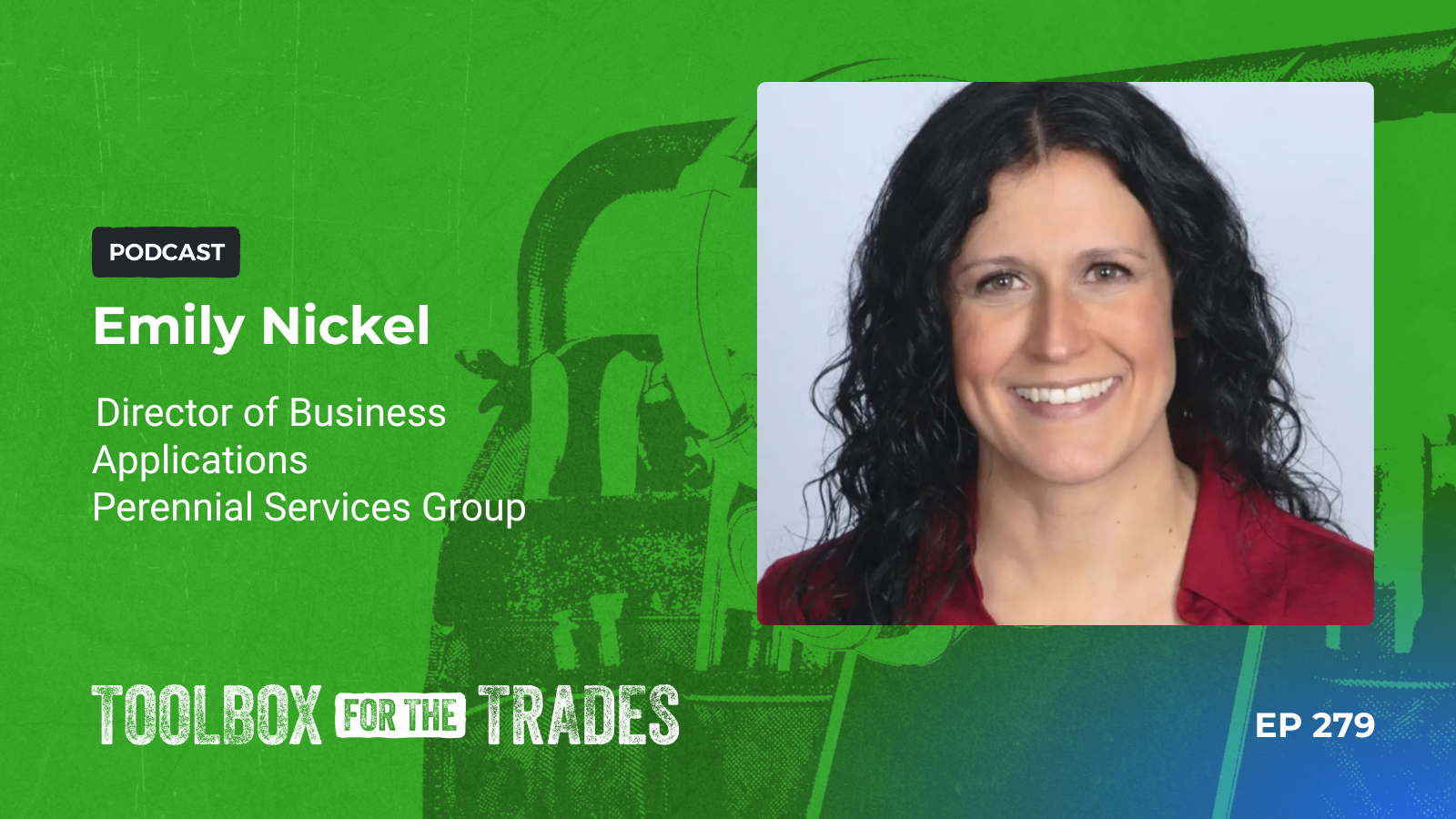
A $40,000 invoicing gap hiding in plain sight. That's what happens when the work gets done but the data doesn't. For landscaping companies grinding against the $4–5 million ceiling, the problem rarely is the market. It's the infrastructure underneath. Emily Nickel, Director of Business Applications at Perennial Services Group, has spent her career at the intersection of field operations and technology — from account management at a Chicagoland landscaping firm to software implementation and back again. She knows what the ceiling looks like from both sides. The stall isn't inevitable. It's a delegation problem dressed up as a revenue problem. "Begin delegating to your team and invest in that operating system today," Nickle says. "Even if the financials maybe don't tell the story that you should do it today, I promise you, you will get... what you put into it is what you're going to get out." The $40,000 story is instructive. During winter months, completed jobs — holiday decor, snow removal, time-and-material tickets — never made it to invoicing. The work was done. The billing wasn't. It took clean data and a functioning operating system to surface the gap, course-correct job costing, and redirect sales incentives toward the service lines that were actually profitable. The technology didn't create the opportunity. It revealed it. Nickle's case for AI cameras follows the same logic. The initial resistance — driver pushback, upfront cost — dissolved once the research was done. Seventy percent of commercial vehicle accidents aren't the driver's fault. Dual-facing cameras prove it, and insurance carriers will underwrite accordingly. "Those fears were just excuses," she says. Looking ahead, Nickle sees AI-powered data analysis, virtual reality for landscape design proposals, and drone-based property management reshaping how companies compete. But she's equally pointed about the basics: companies still running account managers with clipboards instead of iPads are leaving proposals — and people — on the table. "A reliable technology system gives you a 10,000-foot view so you can make smarter business decisions… Have someone in your organization [who] is dedicated to focusing on researching the benefits and the risks behind the technology so that you can find the best solution for you." The ceiling breaks when the owner steps back, the team steps up, and the data finally gets to do its job. Emily Nickel recently joined Amanda Salvatore on the "Toolbox for the Trades" podcast to discuss: [10:11] Why so many landscaping companies stall at the $4-5 million mark [16:18] How clean data uncovered $40,000 in missed revenue [22:19] The future of AI, analytics, virtual reality, and drones You can find this interview and many more by subscribing to Toolbox for the Trades on Apple Podcasts , on Spotify , or here .
May 26, 202637 minutes
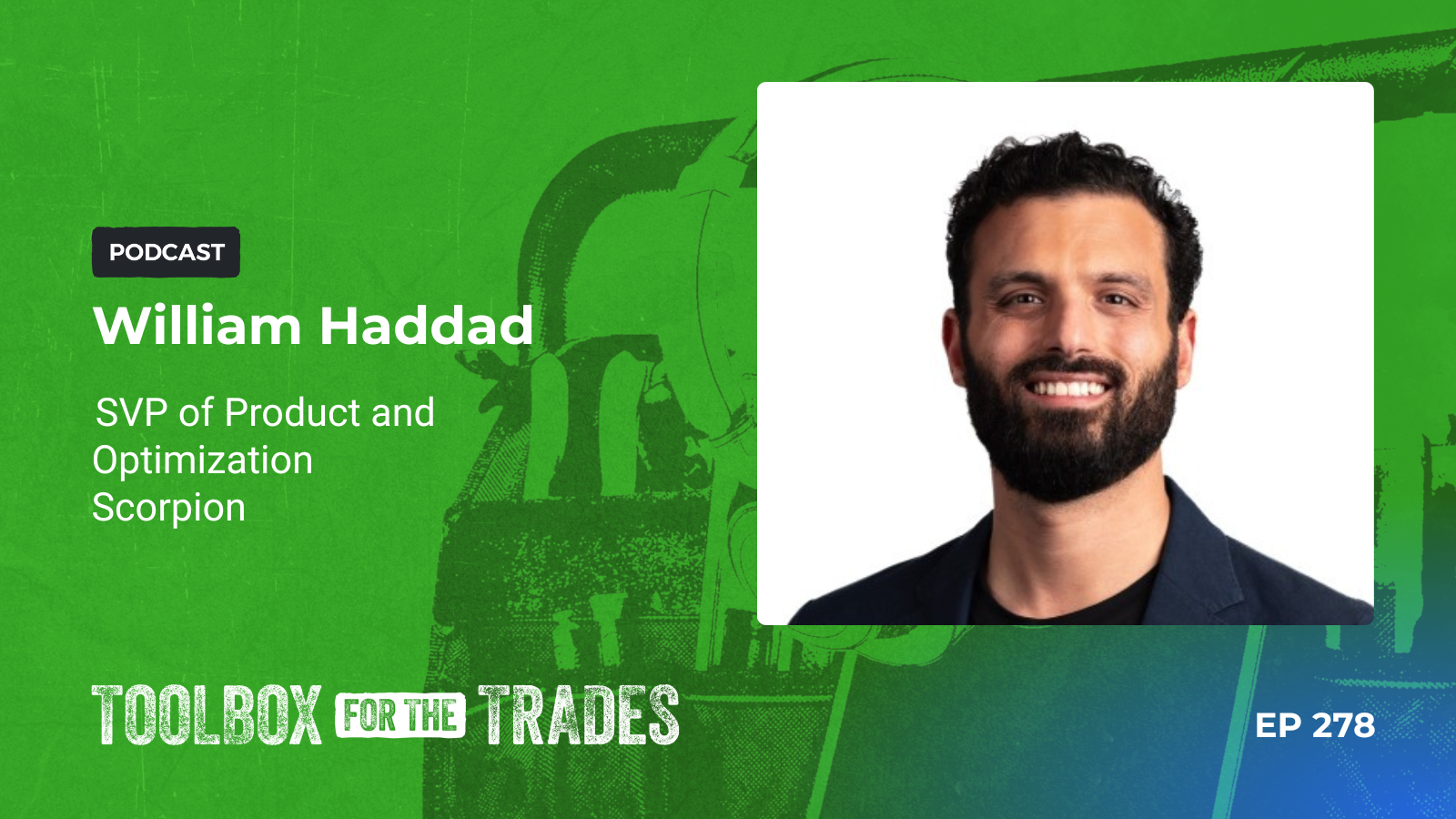
Google used to rank websites. Now AI is picking favorites. That shift is rewriting the rules of online visibility for home service businesses — and most contractors haven't caught up yet. The conversation cuts straight to what's actually changing in search, why brand authority has become the new currency, and what operators can do today to stay visible in a landscape they didn't sign up for. AI-driven search experiences aren't coming. They're here. William Haddad, SVP of Product and Optimization at Scorpion, brings a clear-eyed view of how AI is reshaping the way customers find and choose home service businesses. His core argument: the old playbook of chasing keywords and clicks is losing ground to something harder to game — trust. "We're living in a world where Google used to rank websites, and now AI is picking favorites and recommending brands," Haddad says. That's not a small shift. It's a fundamental change in how visibility is earned. The conversation with host Amanda Salvatore explores what's actually driving AI recommendations, why customer sentiment now carries more weight than technical SEO tricks, and how contractors can build the kind of brand authority that gets noticed — without drowning in constant algorithm updates. This isn't about chasing the next tool or tactic. It's about understanding the three core mechanics that still govern search in an AI-first world, and why a "teach everything" video content strategy may be one of the most underutilized moves in home services marketing. The window to get ahead of this is narrowing. William Haddad recently joined Amanda Salvatore on the "Toolbox for the Trades" podcast to discuss: [4:18] How AI search is changing online marketing [10:08] The three core mechanics of SEO in the age of AI [22:36] The "teach everything" video content strategy Check out these resources we mentioned during the podcast: Scorpion To hear more stories from the trades, subscribe to Toolbox for the Trades on Apple Podcasts , on Spotify , or here .
May 12, 202634 minutes
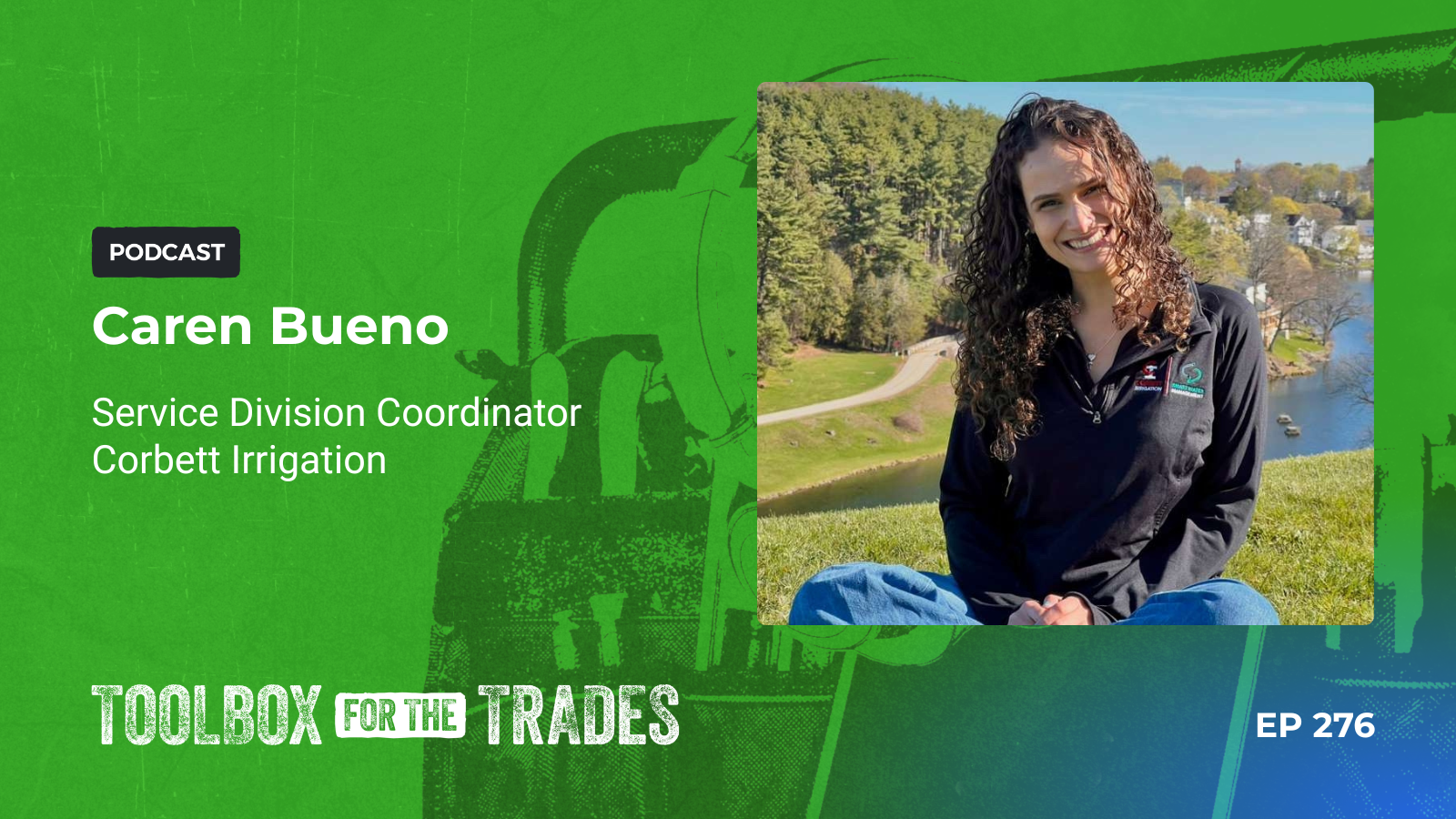
She arrived in the U.S. as an au pair. Now she runs a service division. Caren Bueno's path to becoming Service Division Coordinator at Corbett Irrigation didn't follow any traditional trades playbook. It was improvised. Earned. And built entirely in real time. The trades don't wait for you to feel ready. Bueno learned that firsthand — stepping into a role that required her to create structure where none existed, build systems under pressure, and figure out what actually works when the day-to-day threatens to swallow everything whole. "Pressure is a privilege. And that's how I like to see the busy summertime and my journey in this company because, well, why not grow?" That mindset is what separates operators who scale from those who stay stuck. Bueno didn't just survive the chaos — she organized it. Tools like Aspire gave her team visibility into costs that were previously lost in one undifferentiated bucket. GreenGap reduced inbound calls and gave technicians the confidence to work more independently. The systems weren't handed to her. She built them. And underneath all of it — better than any process or playbook — was the right team. Caren Bueno recently joined the "Toolbox for the Trades" podcast to discuss: [2:59] An unlikely journey through the trades to leading a service division [15:42] How to use Aspire to track costs and get beyond "one big bucket" [25:36] How GreenGap reduces calls and improves technician confidence Check out these resources we mentioned during the podcast: Aspire To hear more stories from the trades, subscribe to Toolbox for the Trades on Apple Podcasts , on Spotify , or here .
April 21, 202628 minutes
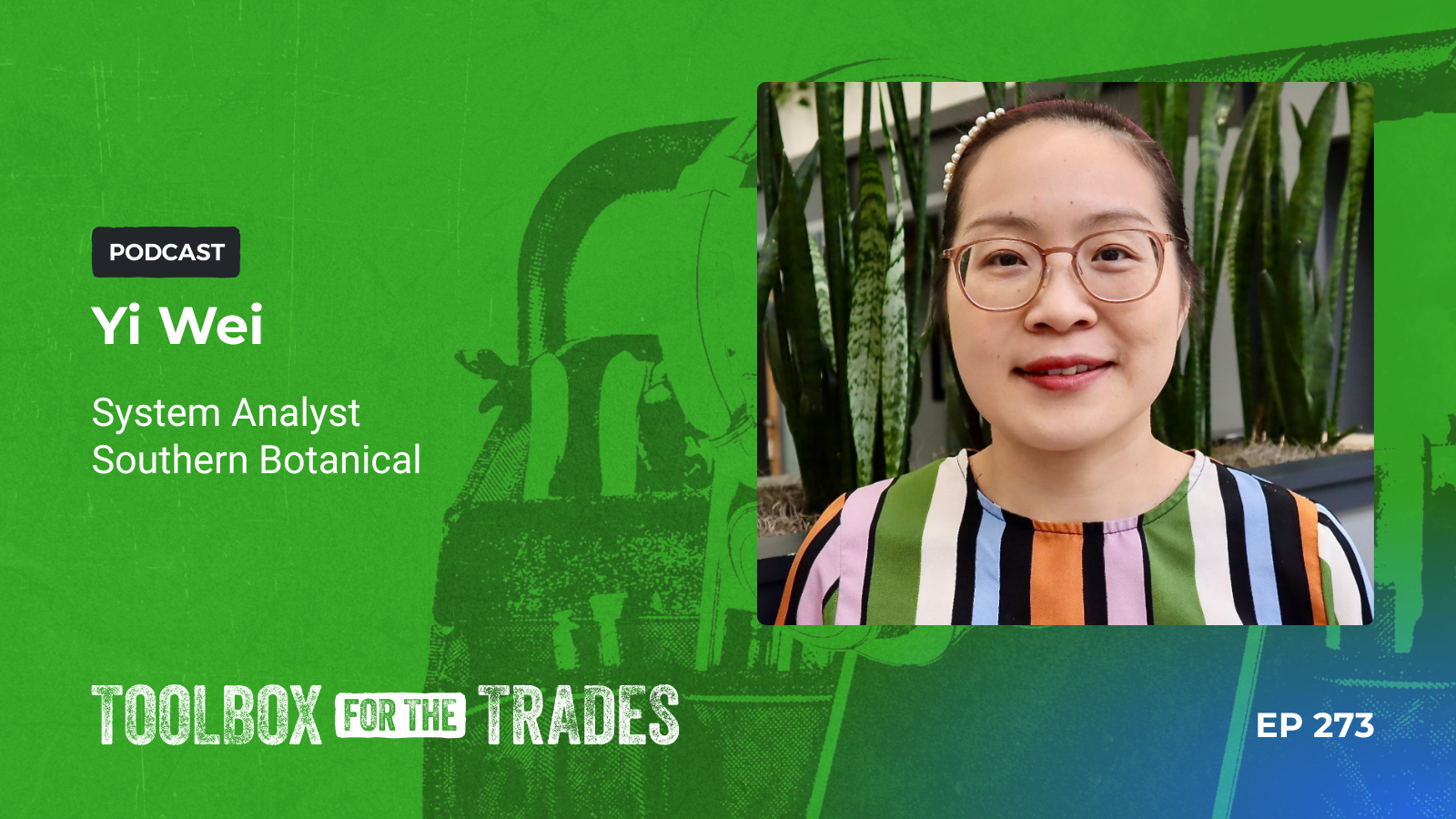
Thirty metrics. That's what it took to bring order to the operational chaos inside one of the country's premier commercial landscaping companies. Southern Botanical made a decisive move — exiting heavy construction entirely to focus on maintenance. The pivot demanded more than a strategic shift. It demanded a new nervous system. Yi Wei built it. As System Analyst at Southern Botanical, Wei operates as what she calls the "cardiologist" for the company's operations — diagnosing inefficiencies, monitoring vital signs, and keeping information flowing through every layer of the business. "Aspire is like a circulatory system… [It's] not just software. It's how information flows through the business everywhere." Her approach centers on a framework of 30 vital metrics, designed to give leadership real visibility into margin health before small errors become expensive ones. The work isn't glamorous. It's exactly what most companies avoid until a problem forces their hand. Wei introduced "gate checks" — deliberate checkpoints to catch data errors early, before they compound into financial discrepancies that are nearly impossible to unwind. Operational discipline at this level requires more than good instincts. It requires process that doesn't bend under pressure. Her system extends beyond the numbers. Worksite audits became a leadership tool, not just a compliance exercise — a way to close the gap between what the data says and what's actually happening in the field. Wei also makes a case that often gets skipped in trades operations: investing in the career growth of individual employees isn't a soft priority. It's a retention strategy and a performance multiplier. The gap between companies that scale cleanly and those that stumble isn't talent. It's infrastructure. Yi Wei recently joined the "Toolbox for the Trades" podcast to discuss: [3:40] Conducting "health checks" on your data to protect margins and forecast potential issues [11:43] Why "second opinions" are critical to confirming new SOPs [17:07] How worksite audits can be an effective leadership tool [23:12] The importance of prioritizing personal career growth for your employees Check out these resources we mentioned during the podcast: Aspire To hear more stories from the trades, subscribe to Toolbox for the Trades on Apple Podcasts , on Spotify , or here .
March 31, 202629 minutes
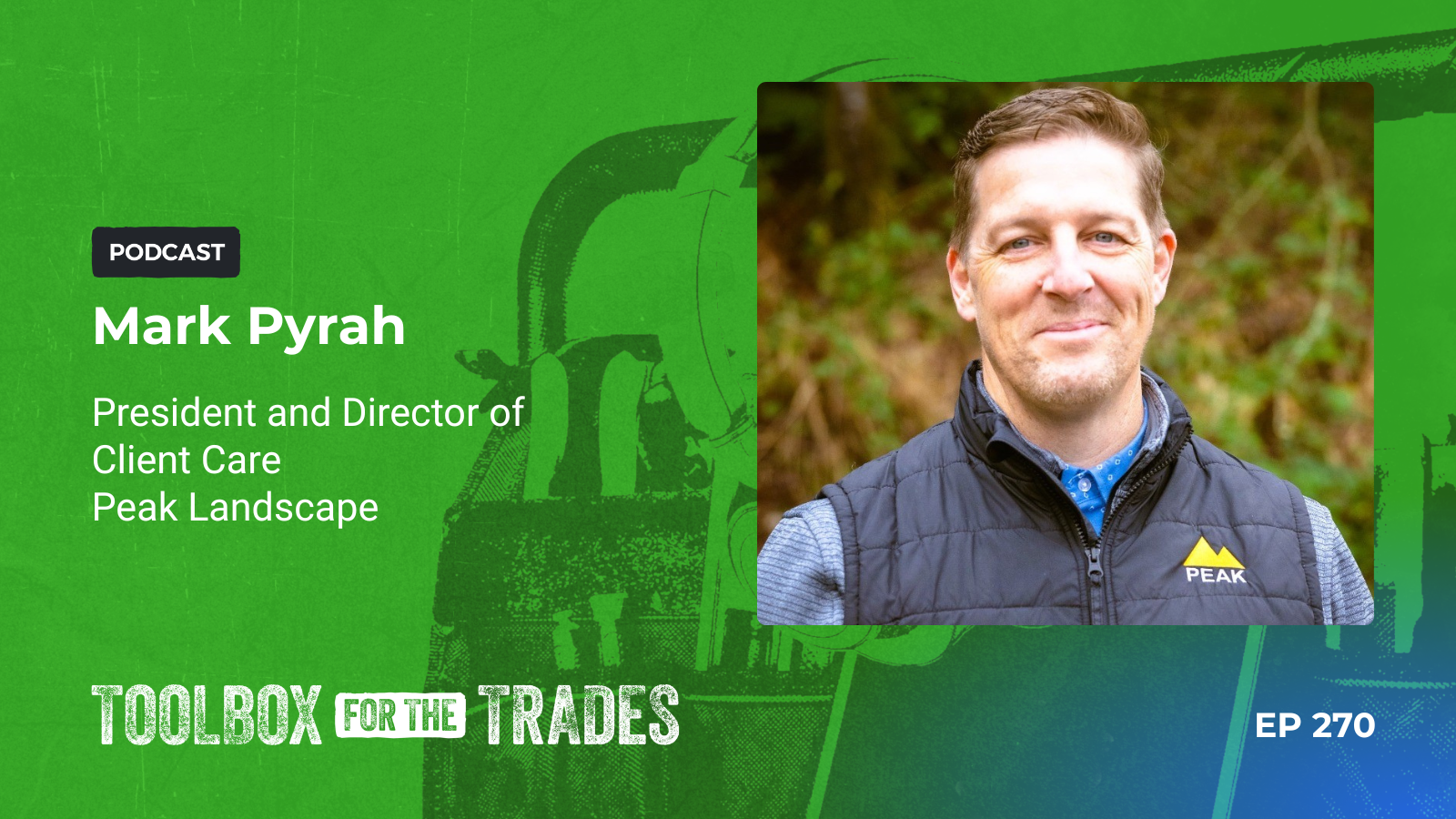
Twenty years in the trades will teach you a lot. It can also quietly break you. Mark Pyrah, President and Director of Client Care at Peak Landscape , didn't build a thriving landscaping company by pretending everything was fine. He built it by learning to stop pretending. The journey from task-driven operator to purpose-led leader wasn't clean or linear. It was the kind of transformation that only happens when anxiety stops being something to hide and starts being something to understand. "Whenever you think too big… and you don't have concrete steps on how to get from where you're at to where that goal is or where that destination is, that's where anxiety can really take over." For years, Pyrah operated as a self-described "task master" — focused on checkmarks, not context. The weight of the business piled up without a framework to carry it. "When you pile so much on your plate and you don't do anything to try to organize that or understand it… you become overwhelmed. You don't feel like there's a way out, and there's not any hope, and that can be a dark place to go." The financial clarity came from a deliberate shift — moving focus away from top-line revenue and toward free cash flow. That single change reframed what success actually looked like and took the edge off decisions that used to feel life-or-death. Pyrah didn't stop there. Peak Landscape is now building custom AI assistants designed to decentralize decision-making — putting the company's institutional knowledge directly into the hands of field technicians. The goal isn't automation for its own sake. It's taking the mental load off individuals who've been carrying too much for too long. "Share those moments that are little victories to you. Share them with your team. Share them with your loved ones… That's where the anxiety starts to just disappear." Mark Pyrah recently joined the "Toolbox for the Trades" podcast to discuss: [6:01] How mark shaped his anxiety into a leadership strength [13:32] Why understanding your finances is critical to mental health [20:52] How peak landscape is using custom AI assistants to empower their team Check out these resources we mentioned during the podcast: Aspire To hear more stories from the trades, subscribe to Toolbox for the Trades on Apple Podcasts , on Spotify , or here .
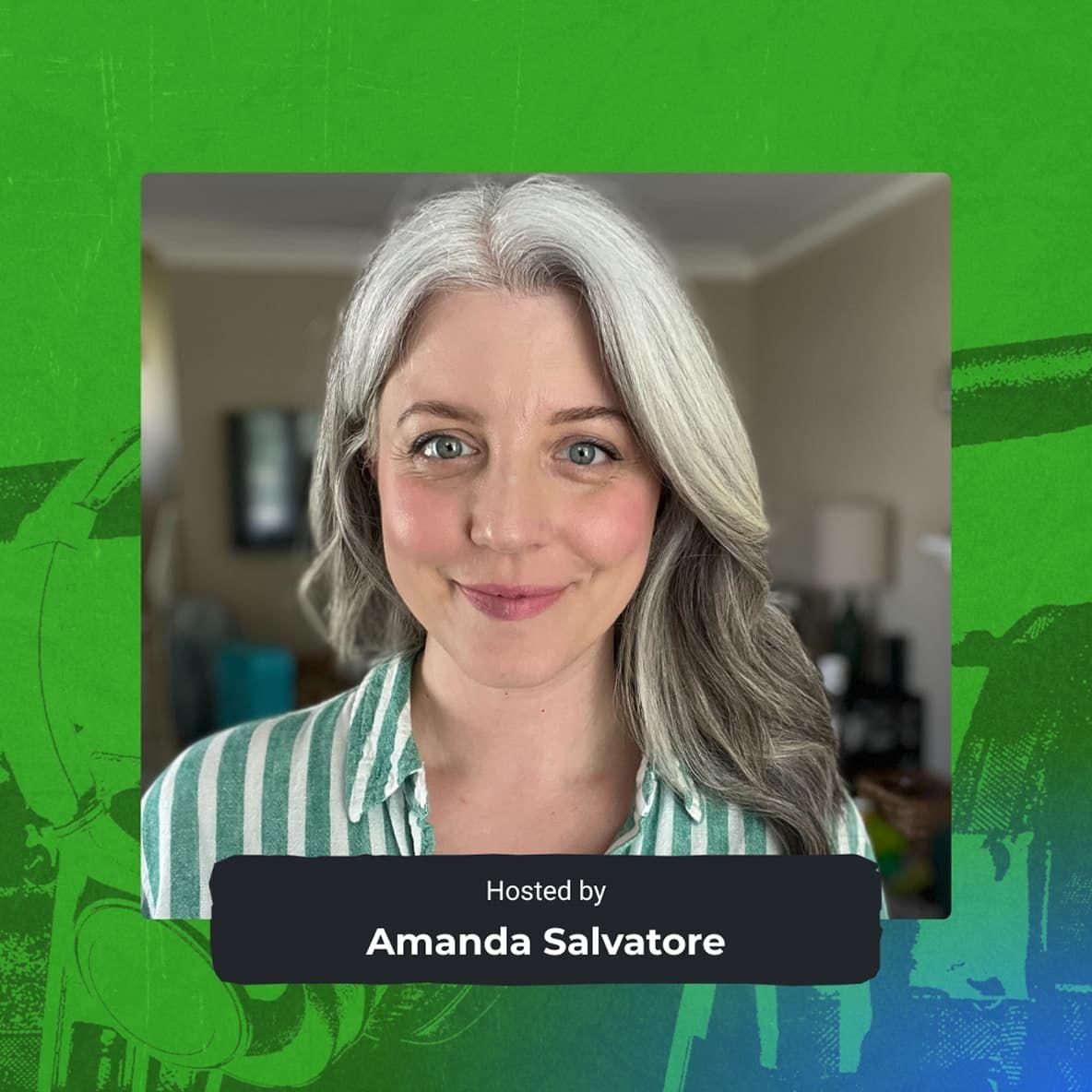
Toolbox for the Trades is a podcast where top service professionals share the tips, tricks, and tactics they use to succeed in their industry. Co-hosted by Amanda Salvatore, this podcast is brought to you by Aspire.

Products
Industries
©2026 Aspire Software. All rights reserved.
 866-727-7473
 Schedule Demo
 390 S Woods Mill Rd #300 Chesterfield, MO 63017


