Table of Contents
Table of Contents
- Why overtime pay rules matter for landscaping businesses
- Key overtime pay rules for landscaping businesses
- Exempt vs. non-exempt employees in landscaping
- How to calculate overtime pay
- Common overtime mistakes landscaping businesses make
- How Aspire helps landscaping businesses manage overtime
- Get instant visibility on past and future overtime
- See where labor costs add up
- Capture job costs on every invoice
- Over to you!
- Frequently Asked Questions (FAQs)
- Q1. Do landscaping employees need to be paid overtime after 8 hours in a day?
- Q2. Can I use compensatory time off (comp time) instead of paying overtime?
- Q3. Are salaried crew leaders exempt from overtime?
- Q4. How can I accurately track overtime hours for crews working on multiple jobs in a day?
- Q5. What records should I keep for overtime compliance?
Overtime pay mistakes cost landscaping business owners thousands each year in back wages, penalties, and legal fees. But during the “100 days of hell” in the spring and early summer, overtime is inevitable.
The good news is that overtime pay can be easy to manage, as long as you know when to pay it and how to track it.
This guide covers all the essentials you need to know about overtime pay, including:
Why overtime rules matter
Key overtime pay rules and compliance issues to watch for
How to calculate overtime
Common compliance mistakes to avoid
You’ll also get tips on how to keep tabs on overtime pay across your organization so it doesn’t eat into your profit margins.
Why overtime pay rules matter for landscaping businesses
Overtime pay can add significant labor costs for landscaping companies, but compliance isn’t always straightforward.
Under the Fair Labor Standards Act (FLSA), non-exempt employees must be paid 1.5 times their regular hourly rate for every hour that exceeds 40 hours per week.
While federal thresholds for exempt employees have shifted recently, many states have stricter overtime requirements to watch out for.
Compliance issues aren’t just about failing to track time – they can also result from misclassifying employees, misunderstanding laws, or calculating overtime pay incorrectly.
When that happens, your business could be liable for back pay, penalties, and increased labor costs.
Understanding overtime rules ensures your crew is compensated fairly, and your business stays profitable, even when projects run longer than expected.
Key overtime pay rules for landscaping businesses
Below is a quick overview of the federal overtime regulations that apply to landscaping businesses.
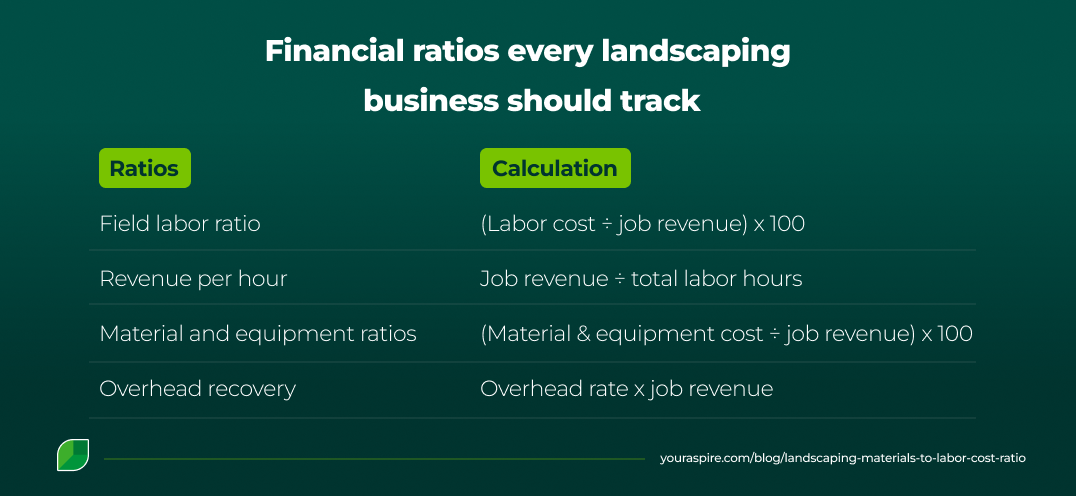
State-specific overtime pay regulations for landscaping businesses may be stricter than federal requirements.
For example, California requires overtime pay for any work that exceeds 8 hours in a single day. Colorado, New York, and Washington also have higher salary thresholds for exempt employees.
A few other points to note include:
Scheduled increases for exempt employees, effective in April 2024, will not take effect due to a new federal ruling. Employers should watch for changes to this law in the coming years.
Always follow state rules when they’re more beneficial to the employee.
When non-exempt workers follow a regular schedule, employers must note when their actual hours diverge from that schedule.
Outline your overtime policy in your employee handbook to protect your company from future liability. This ensures employees are aware of their rights to overtime pay and when they’re required to report overtime work.
Exempt vs. non-exempt employees in landscaping
Most landscaping employees (including field crews and crew leaders) are non-exempt and must be paid overtime.
One common misconception is that landscaping qualifies for the agricultural exemption under the FLSA, but landscaping is classified as non-agricultural work, which means overtime rules still apply.
Even if your employees earn more than $684 per week, most will still be non-exempt. These rules usually only apply to upper management employed in the following types of roles:
Executive roles where the employee’s primary job is managing a department or directing staff.
Administrative roles where the employee performs non-manual work that involves independent judgment.
Professional roles in which the primary duties require specialized intellectual knowledge in a scientific or academic field.
Clearly outlining job duties and pay expectations in your job descriptions can prevent any misclassification issues down the line.
Resources for staying updated on labor laws include the U.S. Department of Labor website and the National Association of Landscaping Professionals. When in doubt, consult an employment attorney or HR professional to avoid penalties for non-compliance with overtime pay laws.
How to calculate overtime pay
The standard formula for calculating overtime pay is:
Total compensation = Regular pay + (Hourly rate x 1.5 x overtime hours worked)
For example, if an employee earns $20 per hour and works 48 hours in a week, you would calculate overtime pay as follows:
Regular pay: $20 x 40 hours = $800
Overtime pay: $20 x 1.5 x 8 hours = $240
Total compensation = $800 (regular pay) + $240 (overtime pay) = $1,040
If a non-exempt employee receives a fixed weekly salary, you’ll need to convert their pay to an hourly rate before calculating overtime.
Even though landscaping is often seasonal work, landscaping businesses don’t qualify for the FLSA’s seasonal exemptions. Whether your business operates year-round or only during peak season, you’ll need to calculate overtime the same way.
Common overtime mistakes landscaping businesses make
Below are some common mistakes landscaping businesses make when calculating overtime pay.
Misclassifying salaried workers as exempt. Employee classification in the landscaping industry can be tricky, since exempt status only applies to a few managerial roles.
Failing to track travel time between job sites. Travel time between job sites counts toward overtime under the FLSA, but the employee’s commute doesn’t. Compensation laws kick in when employees begin tasks that are integral to the work.
Not recording prep or cleanup hours as work time. Loading trucks, gathering equipment, and cleaning up at the end of the day may count toward overtime if it’s essential to the job. If employees can’t complete work without the task, it counts toward time worked.
Overlooking daily vs. weekly overtime calculations. Federal law only requires overtime after 40 hours in a week, but some states require it after 8 hours in a day. Multi-state employers need to track both.
It’s also easy to assume only federal and state rules apply, but landscaping businesses with unionized workers should review collective bargaining agreements.
Unions might specify higher overtime rates (like double-time for weekends) or lower thresholds for when overtime kicks in, after 35 hours rather than 40.
How Aspire helps landscaping businesses manage overtime
Understanding overtime rules is one thing, but putting them into practice is another.
A landscaping business software, like Aspire, helps you capture accurate timesheets with integrated scheduling, invoicing, and job costing, so you can manage overtime more effectively.
Get instant visibility on past and future overtime
Aspire’s scheduling features prevent unnecessary overtime by providing instant visibility into estimated vs. actual hours worked on each project.
If the total number of scheduled hours exceeds your crew’s capacity, you’ll see which days to expect overtime so you can adjust or budget accordingly.
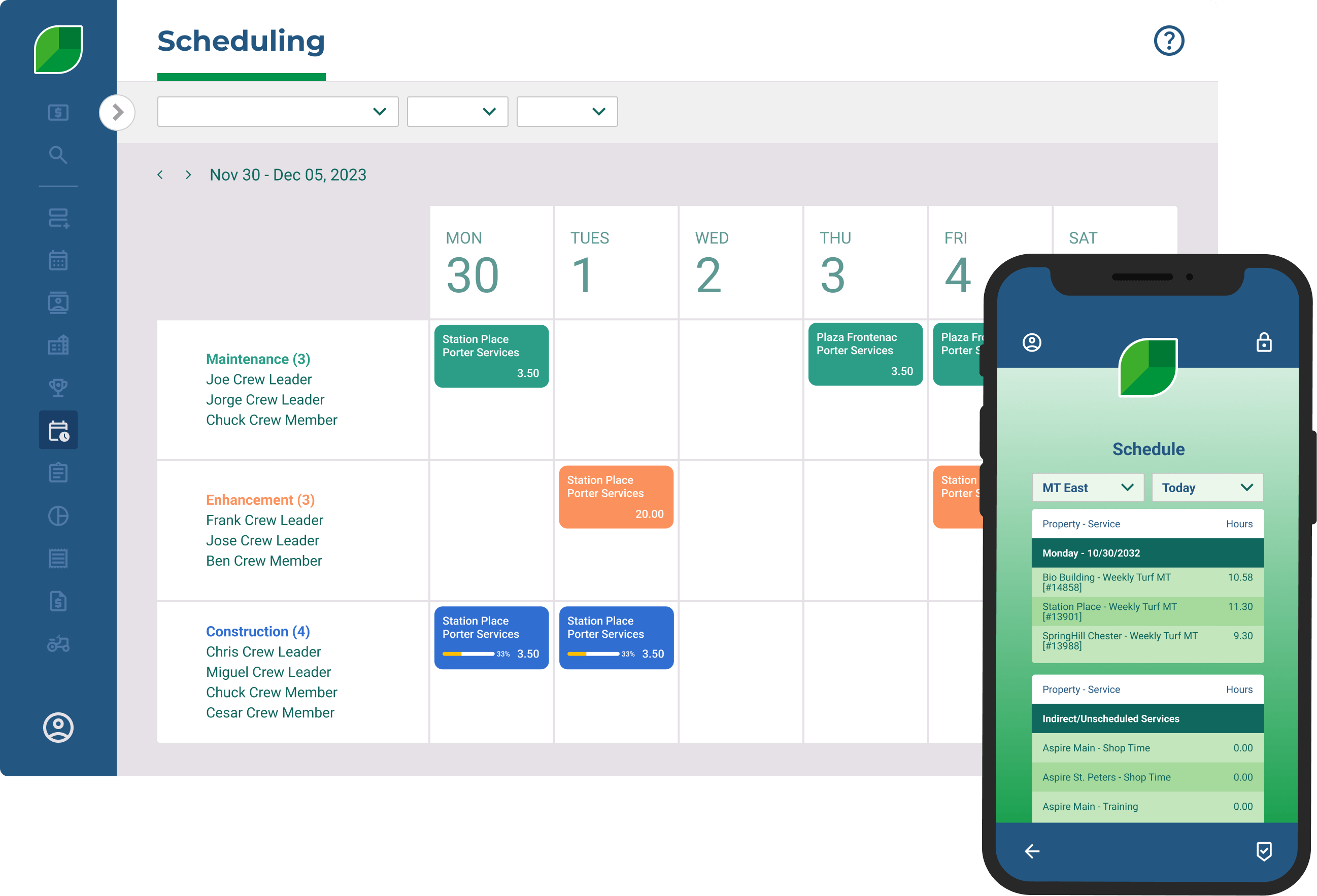
Drag-and-drop scheduling makes it easy to balance workloads across crews and avoid piling hours onto the same employees every time.
You’ll know exactly when it’s time to hire seasonal workers to reduce overtime costs among your regular crew.
See where labor costs add up
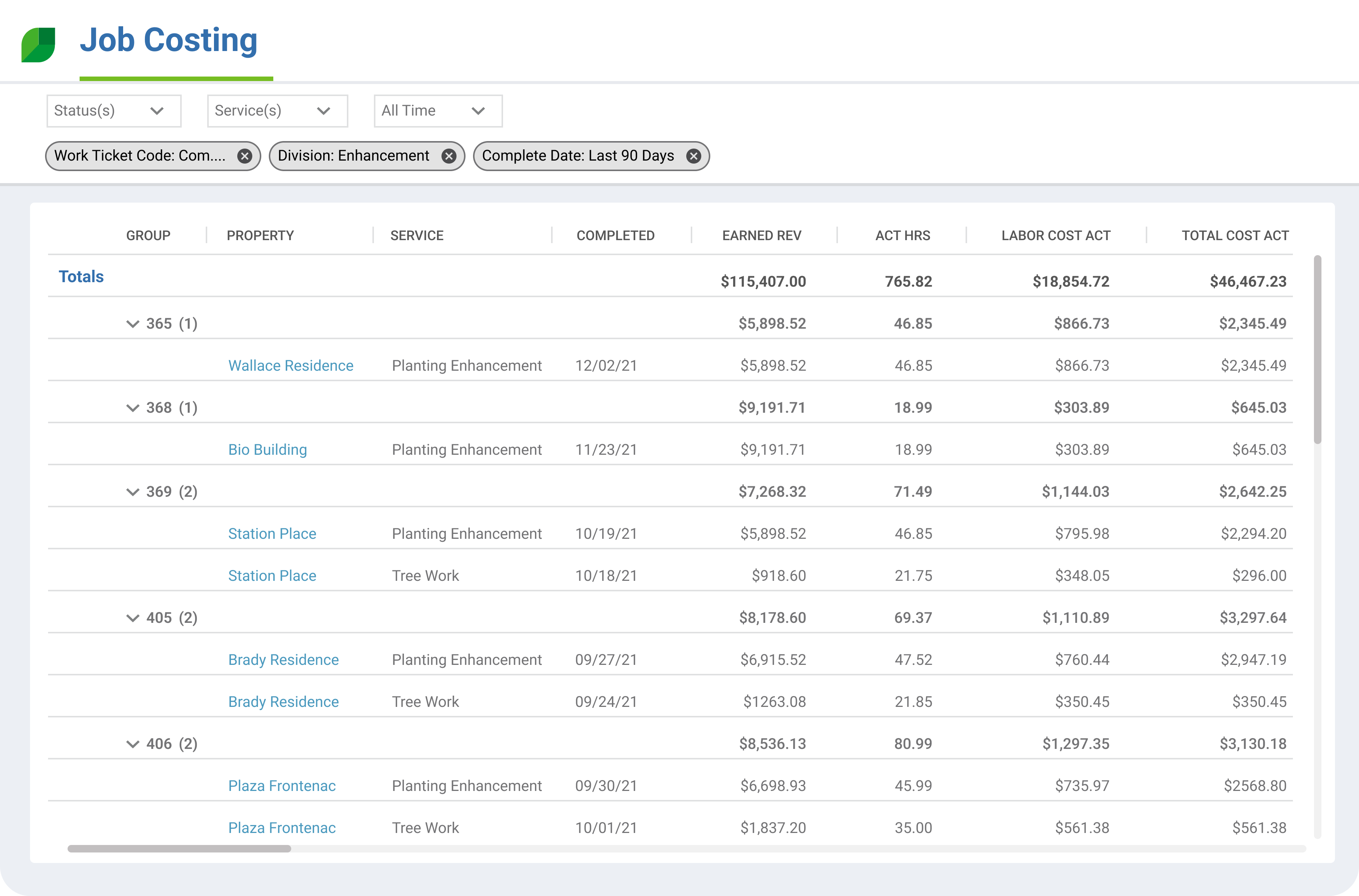
Real-time job costing helps you monitor labor expenses by crew leader, service type, or property without waiting for manual reports.
When actual hours start exceeding estimates, you’ll be able to instantly reassign crews.
Capture job costs on every invoice
Time entries flow directly into job records with streamlined invoicing that reflects actual labor costs, including overtime pay.
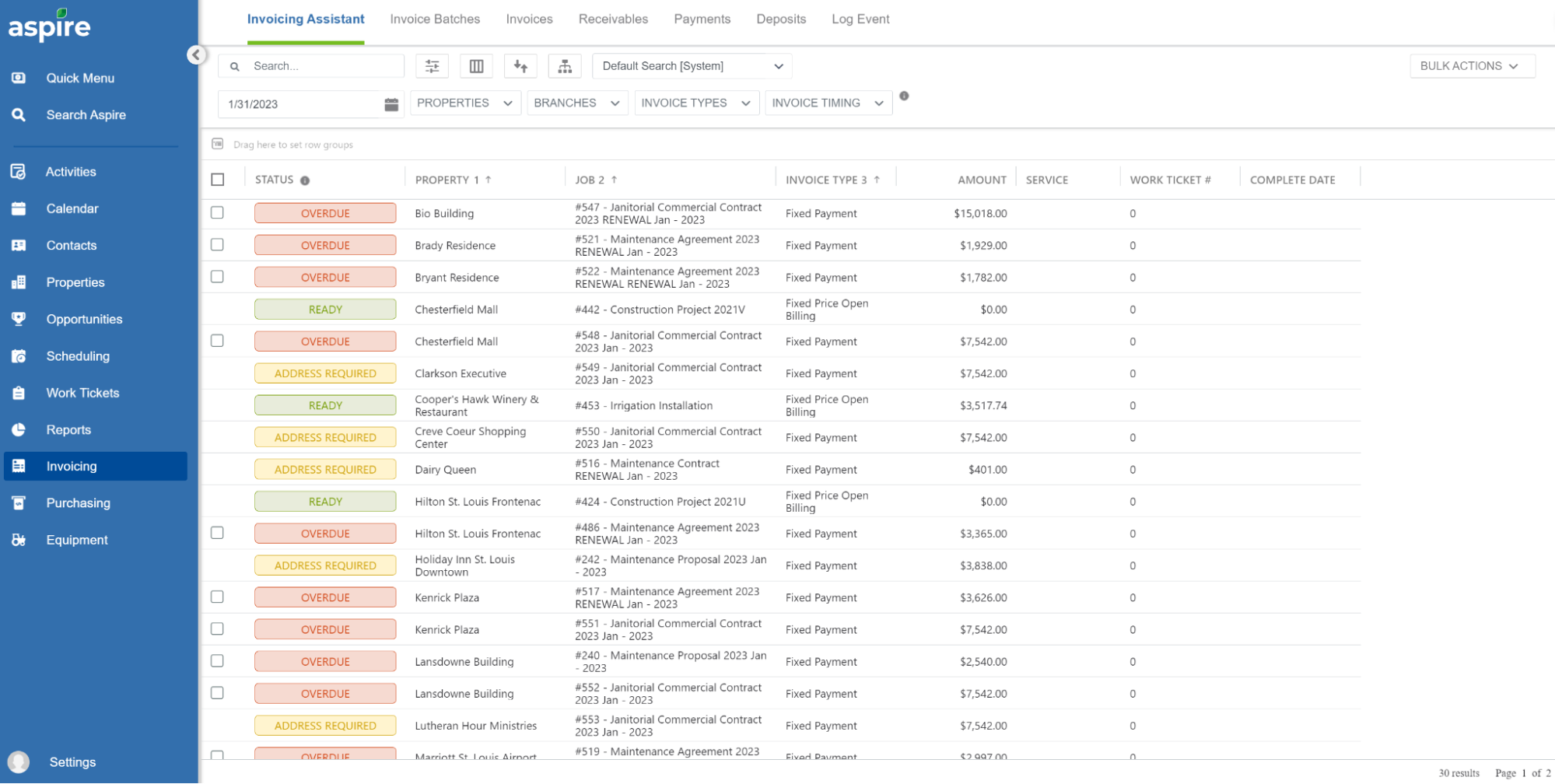
Keep cash flow healthy with clear accounts receivable reports, and ensure that every bill you send captures the true cost of each job.
You’ll get the visibility you need to manage overtime proactively and make sure it doesn’t cut into profit margins – even when crews are stretched thin.
Over to you!
Keeping on top of overtime rules means understanding federal and state requirements, tracking every hour your crew works, and catching problems before they hit payroll.
Aspire lets you track time on your projects from start to finish, and it integrates with scheduling, job costing, and a host of other features to keep your business running smoothly, even during the 100 days of hell.
Ready to simplify overtime? Book a demo to learn more about how Aspire can help you manage your crew’s workloads more effectively.
Frequently Asked Questions (FAQs)
Below are a few of the most frequently asked questions landscaping business owners have about overtime regulations.
Q1. Do landscaping employees need to be paid overtime after 8 hours in a day?
It depends on the state. Federal law only requires overtime after 40 hours in a workweek, but some states – like California – require overtime after 8 hours in a single day. You need to follow whichever rule is better for employees in each location.
Q2. Can I use compensatory time off (comp time) instead of paying overtime?
No – private businesses can’t offer comp time instead of overtime pay. If you require an employee to work more than 40 hours a week, you’ll need to pay overtime, even if the employee prefers comp time. Comp time is legal only for public-sector employers, such as government agencies.
Q3. Are salaried crew leaders exempt from overtime?
Not necessarily. Paying someone a salary doesn’t make them exempt – they’ll also need to earn at least $684 per week and perform executive, administrative, or professional duties as defined by the FLSA. Most crew leaders don’t meet the duties test, so they’re entitled to overtime even if they’re salaried and earn more than the minimum cutoff.
Q4. How can I accurately track overtime hours for crews working on multiple jobs in a day?
Use mobile time tracking that captures clock-ins and clock-outs at each job site. Travel time between properties counts toward hours worked, so your system needs to record the full workday, not just time spent on job sites.
Aspire’s mobile app links time entries directly to job tickets for accurate tracking.
Q5. What records should I keep for overtime compliance?
You need to keep records of all hours worked each day, total hours per workweek, regular pay rate, overtime earnings, and total wages paid for at least three years. Learn what details you need to include on the FLSA website.












 866-727-7473
 Schedule Demo
 390 S Woods Mill Rd #300 Chesterfield, MO 63017


