
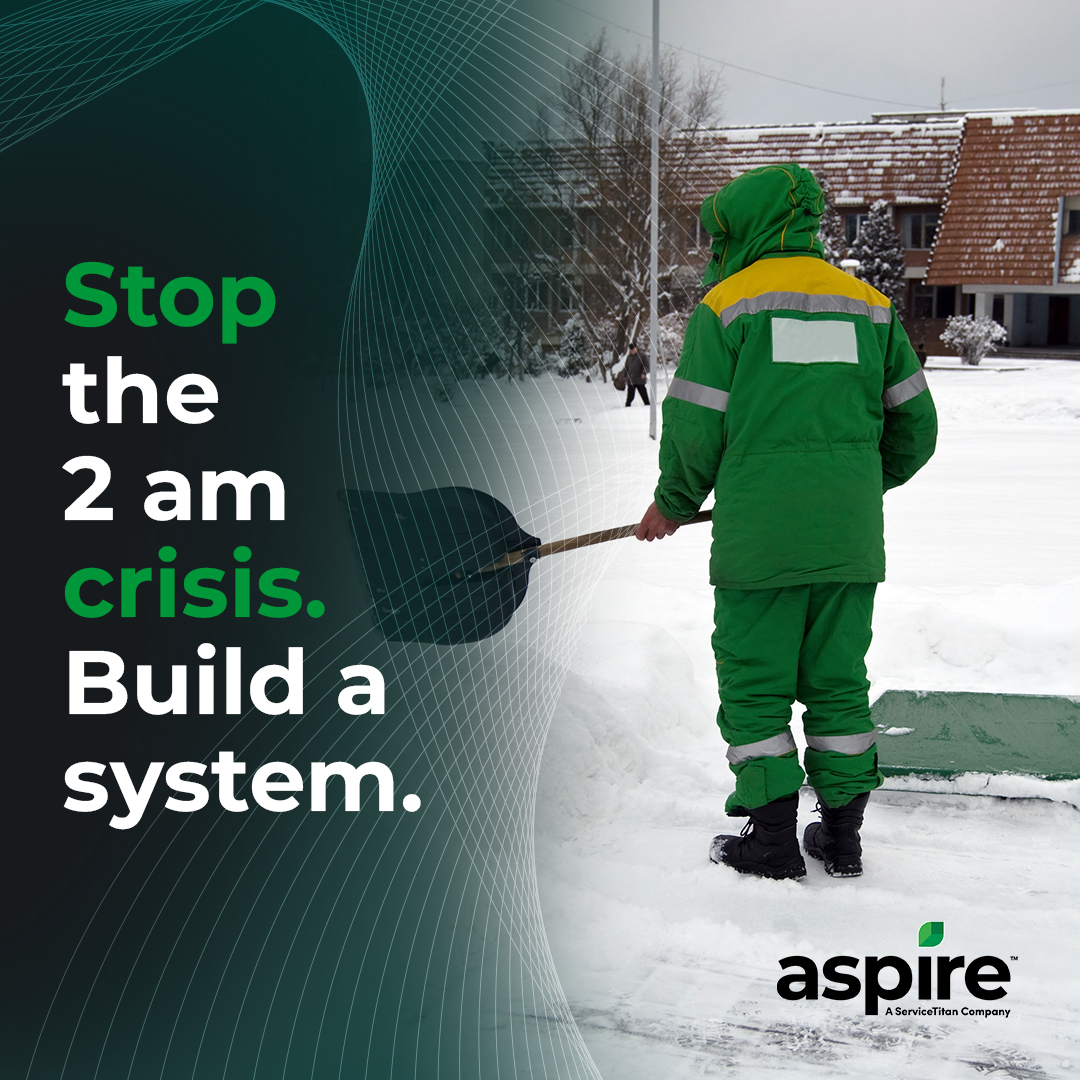
It's 2:11 am. Three texts hit your phone simultaneously.
Your subcontractor can't start his truck. Someone slipped in a lot you serviced two hours ago. The salt spreader gate is frozen solid.
You're managing 40 sites. Crews are deployed. Premium clients are counting on you. Now what?
These aren't edge cases in snow removal operations.
They're the three most common operational failures that cost thousands immediately or tens of thousands in liability. Subcontractors who don't show slip-and-fall incidents without documentation, running out of salt at the worst time.
Most companies react without protocols, making high-pressure decisions without systems to fall back on.
High-performing operations build three frameworks that turn predictable risks into managed protocols: subcontractor reliability systems, slip-and-fall defense documentation, and salt logistics planning. Risk management for storm-day reality starts before the first forecast arrives.
Subcontractors Without the Surprises
Subcontractor failures at 2 am destroy operations because most companies never built accountability systems during pre-season. You can't manage what you haven't documented, and you can't hold people accountable to standards that don't exist in writing.
Pre-season foundation eliminates ambiguity before storms hit:
Written work scopes by site: Specific addresses, service standards, trigger depths, and equipment requirements—not "north lot" but actual specifications that define what success looks like
Insurance tracking: General liability $2M minimum, auto $1M, workers comp coverage, additional insured certificates with your company named, expiration monitoring system that flags lapses 30 days out
Indemnification clauses and rate cards: Escalation rules locked in writing before the season starts, protecting you from mid-storm price negotiations
Backup sub identified per route or zone: Secondary contractor who knows the sites and can deploy when primary fails
During storm verification, it proves work happened within your time windows:
Check-in windows at defined intervals: Route start, 50% completion, and finish timestamps communicated through your crew coordination system
GPS/geo-fence requirements: Verify site visits within time windows using location data, not just driver claims
Photo rules for every site: Before/after with timestamp visible, site identifier in frame, coverage of entries, drive lanes, and ADA spots showing treatment
"No-photo/no-pay" policy established upfront: Subcontractors know documentation isn't optional—it's the basis for payment
Post-storm accountability creates performance data that drives future decisions:
Scorecard tracking: On-time percentage, proof completeness, callback rate per subcontractor, calculated after each event
Tie scores to future work allocation: Top performers get first choice of profitable routes next season, underperformers lose assignments or get dropped entirely
Debrief major events: Review what worked and what failed, refine systems based on actual performance instead of assumptions
The goal isn't perfection—it's creating consequences for subcontractors who don't follow protocols and rewards for those who execute reliably. When a sub fails at 2 am, you have backup systems ready and documentation proving who didn't perform.
Slip-and-Fall Defense—Documentation Is Your Only Ally
You will face slip-and-fall claims.
The question isn't whether you can defend yourself with documentation, but whether you can negotiate settlements from a weak position because you have nothing to prove service happened.
Document triggers and timing for every site you service:
Record when service triggered: Temperature, precipitation type, accumulation depth, time service began, and ended per site
Note weather conditions during service: Actively snowing versus clear skies, pavement temperature, and wind affecting treatment effectiveness
Standard evidence pack—capture this at every single visit:
Wide shot of overall lot condition: Before and after service showing full site context
Close-ups of entries, walkways, and ADA spots: After treatment to prove coverage of high-risk areas
Salt application photo: Visible timestamp showing spreader in action or freshly treated surface with granules visible
Systematic storage by date/site/crew: Organized for retrieval 18 months later when claims arrive
Incident workflow protects you the moment a claim surfaces:
Immediate evidence preservation: Pull all photos, service logs, and weather data within 24 hours of notification—memory fades, and files get lost
Camera footage request: Written request to the property manager immediately, since security systems overwrite after 30–90 days
Property manager notification template: Pre-written, professional message that requests incident details and offers your documentation without admitting fault
Chain of custody: Tag all evidence with claim number, store separately from regular files, restrict access to prevent tampering allegations
Insurance companies and attorneys assess your defense based on documentation quality, not your memory of what happened.
Timestamped photos of a treated surface 90 minutes before an incident create a strong defense positioning.
No documentation leaves you negotiating settlements from a position of weakness, paying claims you might have defended successfully.
The difference between a dismissed claim and a $50,000 payout often comes down to whether you have proof of service completion with timestamps that contradict incident timing.
Salt & Deicers—Logistics Beats Luck
Running out of salt at 3 am with 15 sites left to service isn't bad luck—it's failed logistics.
The crews burn through material faster than planned, the supplier who can't deliver until tomorrow afternoon, and the remote site with no bulk storage. These problems solve themselves when you build systems during pre-season instead of reacting during storms.
Pre-season planning establishes supply redundancy before you need it:
Vendor redundancy: Primary supplier plus backup with pre-negotiated rates locked in writing, test your backup with a small order before the emergency hits to verify they can actually deliver
Know emergency reorder lead times: Does your supplier need 24 hours? 48 hours? Factor this into consumption monitoring
On-site bulk storage at critical or remote sites: Based on historical usage patterns and distance from supply points
Pre-wetting and treatment plans: Application rates per temperature range, thresholds for brining versus salting, equipment calibration standards
Event-level tracking prevents mid-storm supply failures:
Track consumption per pass and per site: Spreader controllers automate this; manual logging works if controllers aren't available
Threshold rules: Different application rates for pretreat versus post-plow, versus re-application based on conditions
Monitor aggregate consumption versus forecast: Trigger backup orders early if crews are burning through supply faster than planned, don't wait until you're empty
Post-storm reconciliation turns data into operational improvements:
Compare actual versus planned usage: Identify variances by crew, equipment calibration issues, or training gaps that caused over-application
Update reorder points: Base future supply levels on consumption patterns from real storms, not estimates
Track price creep mid-season: Monitor what you're paying per ton to protect margins and adjust next season's pricing accordingly
Salt and deicers represent a significant material cost in your snow removal operations.
Companies that treat logistics as an afterthought face mid-storm shortages that force them to leave sites untreated or pay emergency prices, destroying profitability.
Risk management for materials means tracking consumption data and building supplier relationships that endure periods of high demand when everyone else is scrambling.
People & Safety Systems
Equipment failures and material shortages cost money. Crew safety failures cost lives.
Storm-day reality means operating in the most dangerous conditions your business faces all year—darkness, fatigue, freezing temperatures, and time pressure colliding at once.
Pre-shift briefings establish safety awareness before crews deploy:
Night hazards checklist: Black ice zones, low-visibility areas, poorly plowed access roads that create risk
PPE verification: High-vis gear, proper footwear with traction, cold-weather protection for extended outdoor work
Equipment check: Lights functioning, radios charged, backup flashlights, emergency supplies in the cab
"Don't overdrive your lights" reminder: Speed discipline when visibility drops
Fatigue management prevents the accidents that happen when exhaustion overrides judgment:
Define maximum shift lengths and enforce hard limits: Document how many hours crews can work before mandatory rest
Pre-designate safe pull-off points: Identify rest break locations near routes, so crews know where to stop safely
Check-in cadence every X hours: Missed check-in triggers an immediate dispatch call to verify crew status
Crew rotation plan for multi-day events: Prevent 48+ hour marathons by rotating fresh operators instead of grinding the same people into the ground.
Fatigued operators damage property, miss sites entirely, and cause accidents that harm people and expose your business to liability.
An operator who hasn't slept in 30 hours makes mistakes that cost accounts and create safety incidents. Safety protocols protect your crews and your business from preventable failures that happen when people push past their limits.
Risk management for people means recognizing that even your most dedicated operators have physical limits that systems must enforce.
Over to You
You'll face at least one of these crises this season. The only question is whether you have systems in place or you're improvising at 2 am under pressure.
High-performing operations build protocols during pre-season, not after incidents expose gaps. The difference between managing storm-day reality and drowning in it comes down to documentation, redundancy, and accountability systems that are in place before problems hit.
Start this week:
Create your subcontractor accountability packet with work scopes, insurance requirements, and photo standards
Build your slip-and-fall evidence template with trigger documentation and incident workflow
Establish a salt vendor backup with pre-negotiated rates and test their delivery capability
Implement a consumption tracking system to prevent mid-storm material shortages
Risk management isn't about eliminating problems—it's about having systems that let you handle predictable failures without operational collapse.
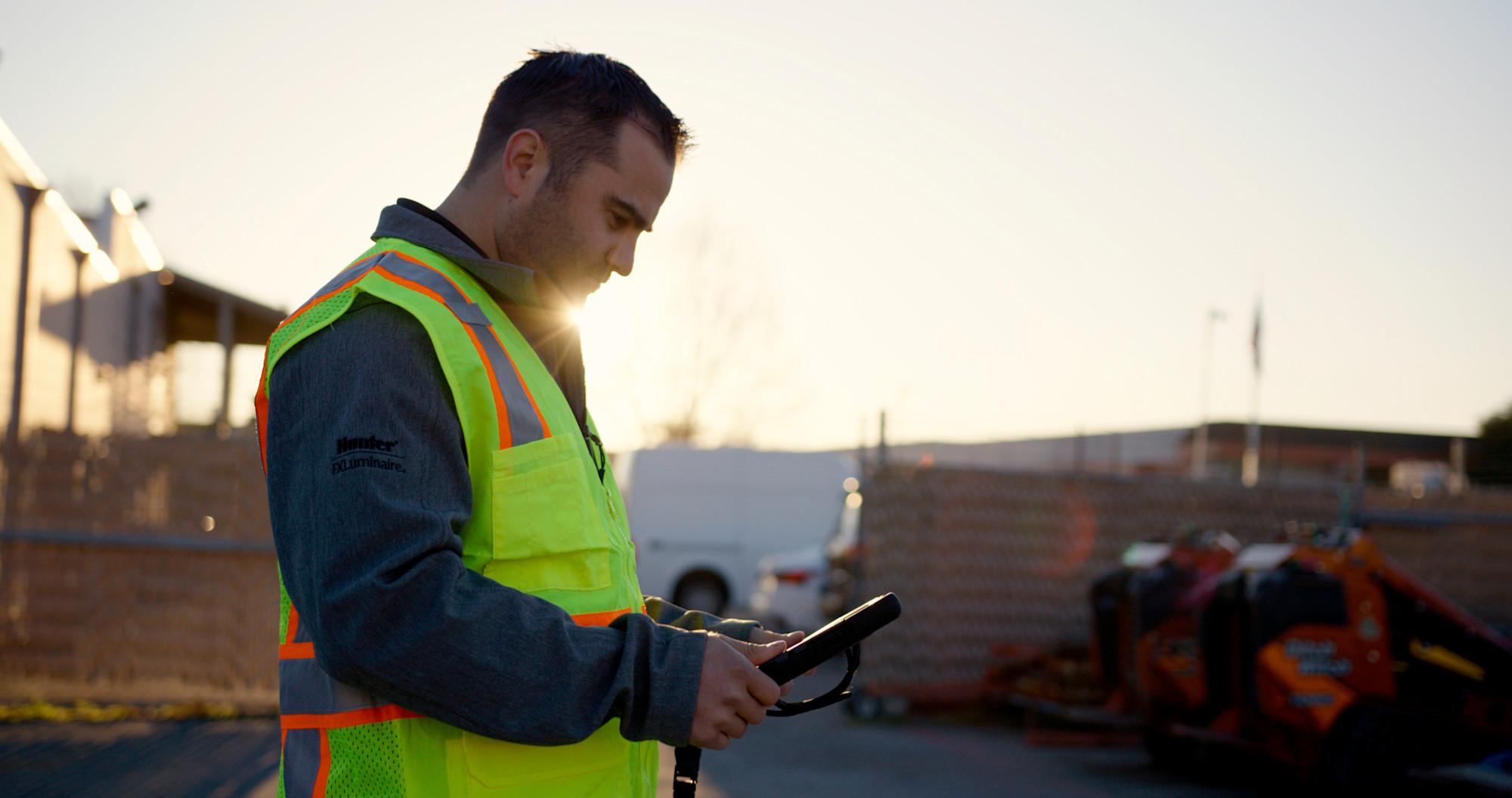
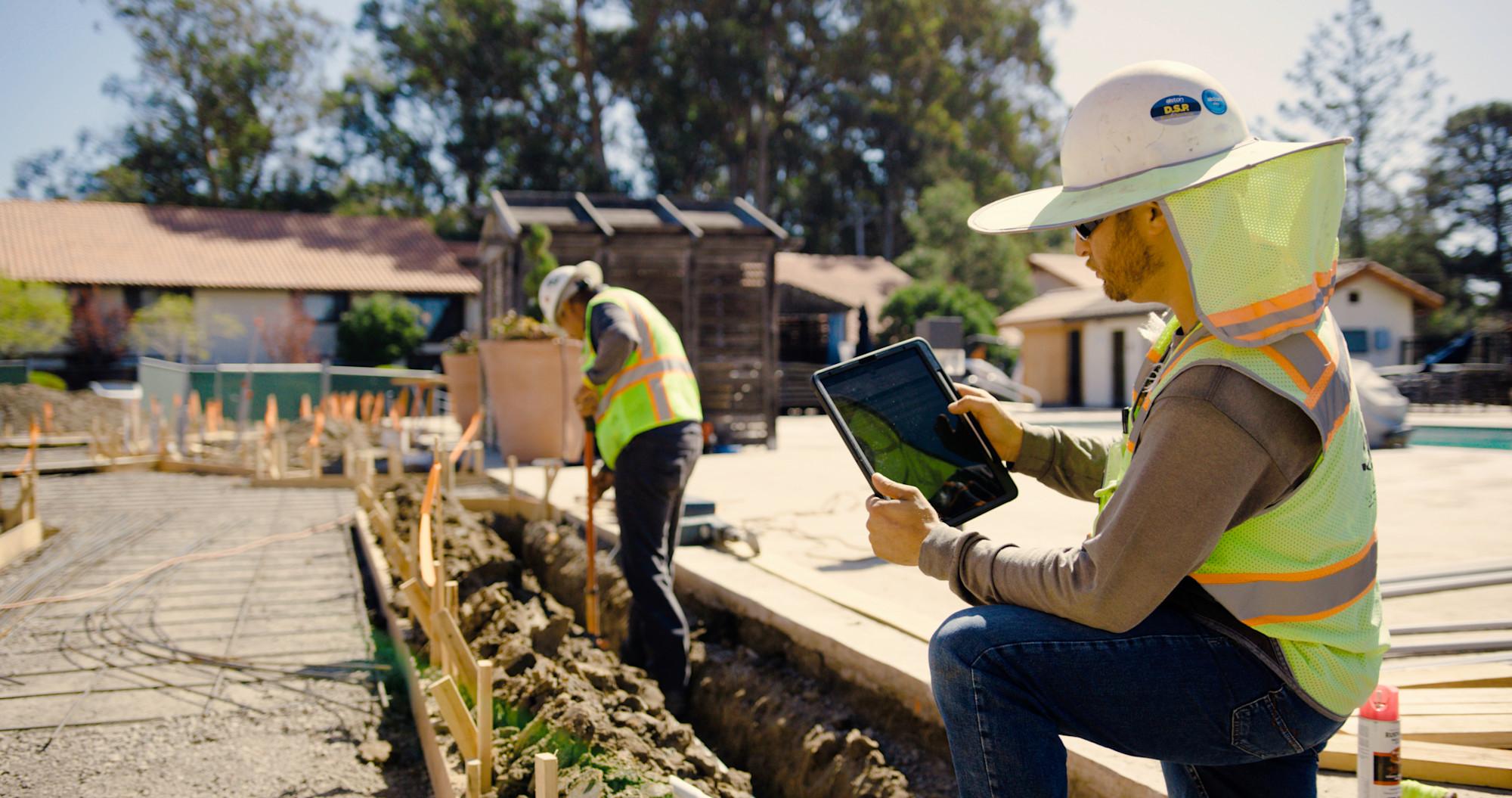
Request a demo to see how the right business management software supports documentation, crew coordination, and real-time tracking for snow operations.










 866-727-7473
 Schedule Demo
 390 S Woods Mill Rd #300 Chesterfield, MO 63017


