Table of Contents
Table of Contents
- When Winter Work Turns Cold on the Bottom Line
- Strong Systems Unlock Winter Cashflow
- The Hidden Costs of Disorganization
- The Revenue Lag: When Billing Can't Keep Up with the Weather
- The Labor Drain: Wasted Time and Duplicated Effort
- The Proof Problem: Lost Documentation Means Lost Dollars
- Why the Off-Season Hurts the Most
- The Systems at Fault: Why Snow Businesses Lose Control
- Spreadsheets, Text Threads, and Gut Feelings
- Weather Whiplash and Contract Volatility
- Labor Shortages and Overheads Multiply the Risk
- The Cash Flow Turnaround
- Profitability Reimagined: How Aspire Keeps the Cash Flowing
- The Takeaway: Efficiency Is the Warmest Currency
- Stong Systems Unlock Winter Cashflow
- The Hidden Costs of Disorganization
- The Revenue Lag: When Billing Can't Keep Up with the Weather
- The Labor Drain: Wasted Time and Duplicated Effort
- The Proof Problem: Lost Documentation Means Lost Dollars
- Why the Off-Season Hurts the Most
- The Systems at Fault: Why Snow Businesses Lose Control
- Spreadsheets, Text Threads, and Gut Feelings
- Weather Whiplash and Contract Volatility
- Labor Shortages and Overheads Multiply the Risk
- The Cash Flow Turnaround
- Profitability Reimagined: How Aspire Keeps the Cash Flowing
- The Takeaway: Efficiency Is the Warmest Currency
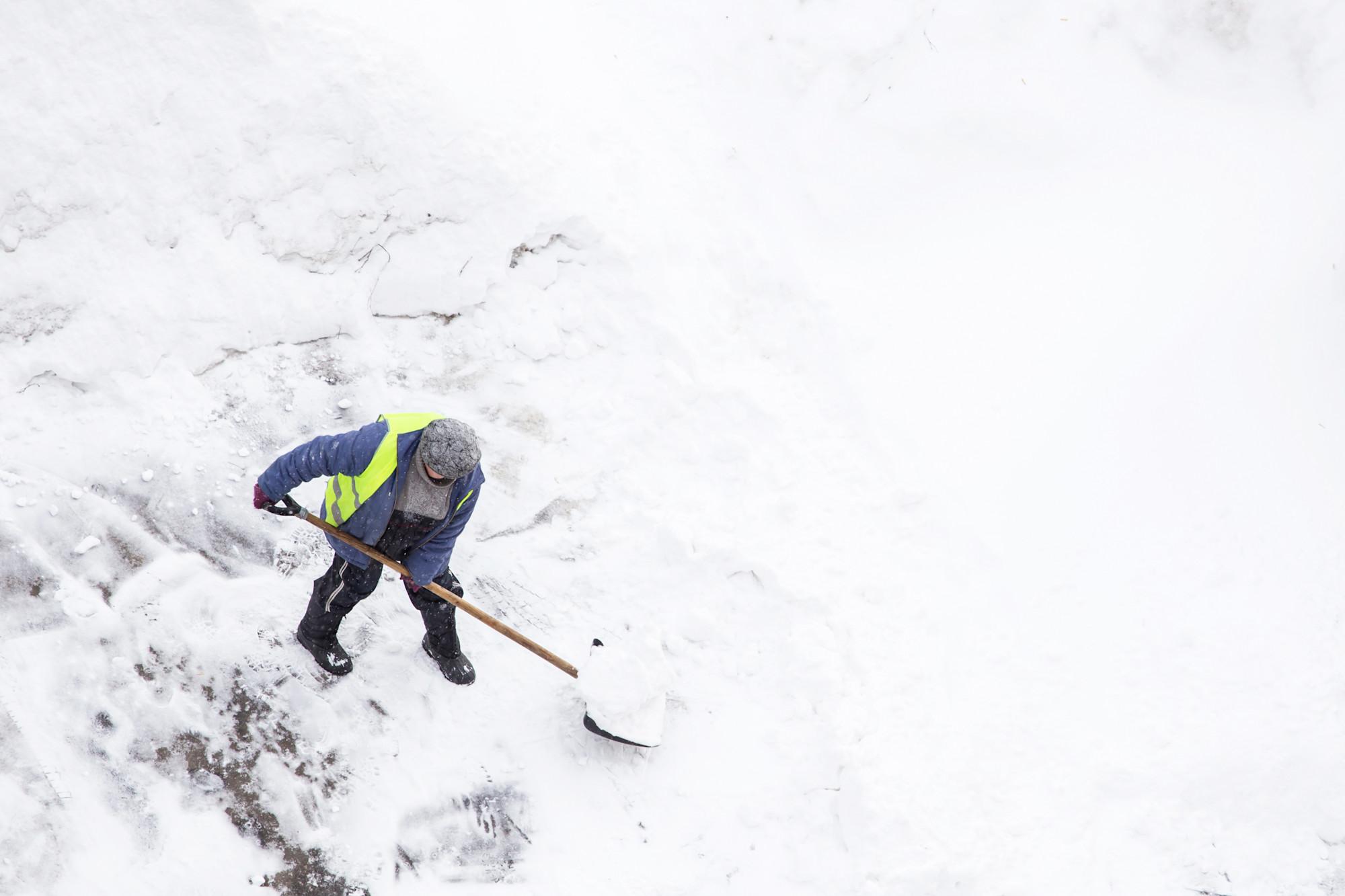
When Winter Work Turns Cold on the Bottom Line
The forecast called for six inches.
You got fourteen.
By 3 a.m., your phone is exploding with calls—crews need assignments, clients need updates, and equipment needs to be deployed across 50+ properties.
Within 48 hours, you've orchestrated a logistical miracle: every lot cleared, every sidewalk salted, every client satisfied. Then reality hits—your cash flow stalls.
Invoices sit half-finished because nobody documented material usage.
Billing waits while you reconstruct who worked where and for how long.
Meanwhile, fuel bills arrive immediately, salt suppliers demand payment, and payroll can't wait. You've generated revenue on paper, but cash remains frozen—sometimes for weeks—while you manually piece together what should have been automatically captured.
Strong Systems Unlock Winter Cashflow
The snow and ice management industry generates $20.8 billion annually, yet many contractors still operate on what one industry veteran calls "spreadsheets and panic."
This isn't a small-business problem—it's an industry-wide challenge where even established operations find themselves playing catch-up after every storm, losing profitability to disorganization rather than weathering it.
Without organized systems for estimating, scheduling, and invoicing, snow work becomes busy work—not profitable work.
You're doing the labor without efficiently capturing the revenue to maintain a healthy cash flow.
The companies that win winter aren't necessarily the ones with the biggest fleets—they're the ones with the cleanest data and the fastest cash flow cycles.
The Hidden Costs of Disorganization
The Revenue Lag: When Billing Can't Keep Up with the Weather
Every hour lost to manual billing and unclear records is money frozen in limbo while expenses pile up immediately. Jacob Silvis, founder of Silvis Group, describes the transformation bluntly: "Before Aspire, we were guessing so many things... Without Aspire, business would be utter chaos. Broken systems, pulling things from one system to another."
His team now closes out billing in days after major storms instead of weeks—a change he calls "critical" for cash flow survival. "When we can close out our billing in a matter of days after a large snowstorm, that's critical," Silvis emphasizes.
With siloed software, your team continues to pull broken and missing data from one system to another.
The "invisible float" cripples operations:
Companies front-load fuel, salt, and labor costs immediately
Billing delays push reimbursement weeks into the future
Cash reserves drain while waiting for payments on completed work
Credit lines get maxed out, financing work already performed
An end-to-end platform, like Aspire, makes it possible to close out billing in days after a major storm, instead of weeks, because data for every aspect of your operations lives in one place.
The Labor Drain: Wasted Time and Duplicated Effort
Without centralized scheduling, crews overlap routes or miss sites entirely—expensive mistakes that compound quickly during multi-day storm events.
Each missed visit requires callback trips that burn fuel and labor. Each double dispatch wastes crew hours that could have been used to service additional properties.
Aspire's drag-and-drop schedule board provides route visibility and real-time crew tracking, eliminating duplication. Managers can see exactly which crews are assigned to which locations, preventing the chaos of fragmented communication.
The Proof Problem: Lost Documentation Means Lost Dollars
Many snow companies can't prove work was done—especially problematic for liability-sensitive commercial clients who require documentation before processing payment.
Missing photos, timestamps, or GPS data can delay payments or trigger outright disputes, further freezing cash flow.
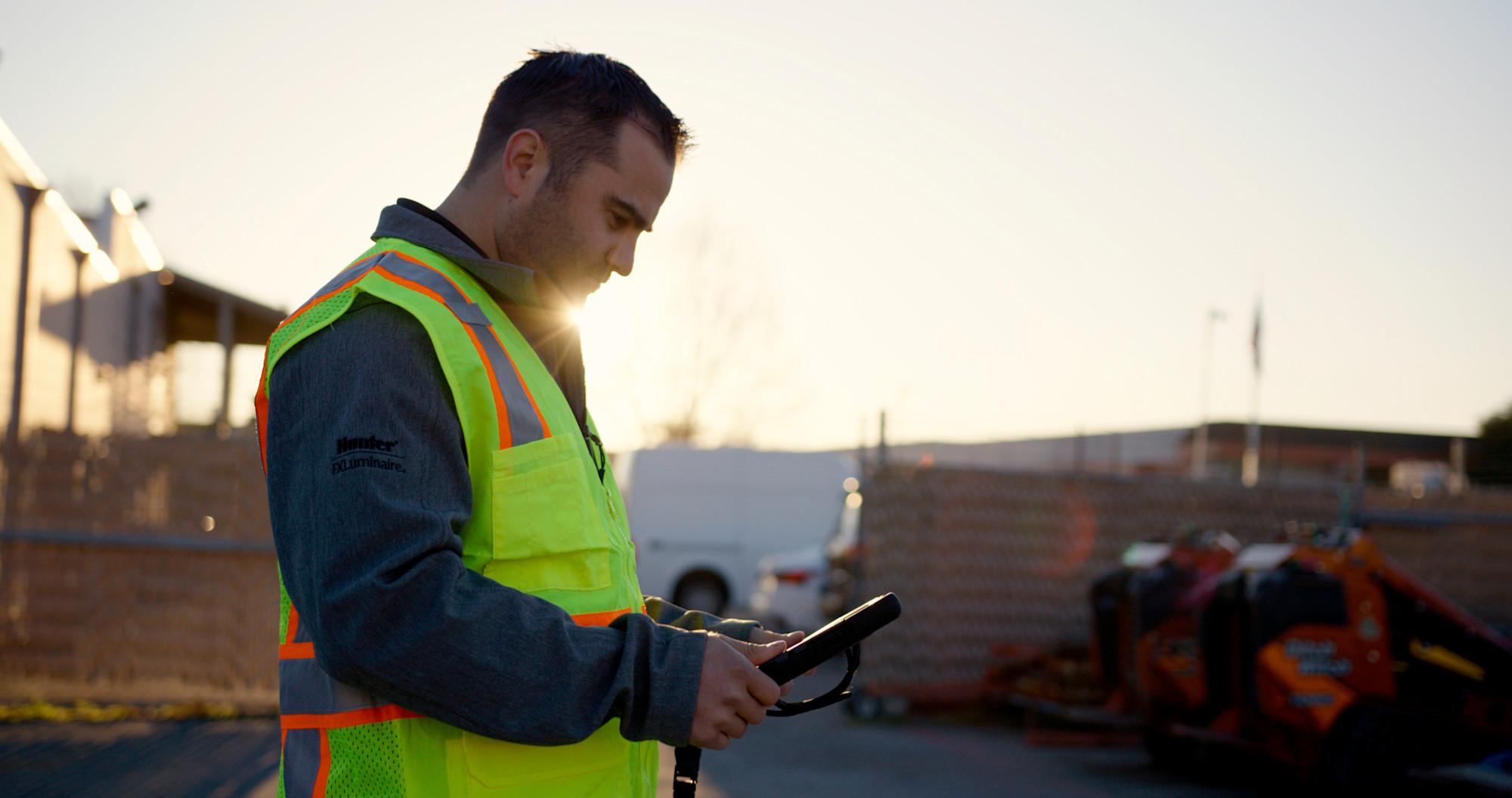
Aspire's mobile app enables crews to capture photo documentation instantly, with timestamps and GPS coordinates automatically attached.
The customer portal provides transparent service verification, eliminating "did you really plow us?" disputes and accelerating payment cycles.
Why the Off-Season Hurts the Most
The cashflow paradox hits hardest between storms: most snow contracts are billed seasonally or per-event, but expenses are relentlessly immediate.
Fuel costs don't wait.
Payroll can't be deferred.
Salt suppliers demand payment regardless of whether your invoices have been paid. Equipment financing, insurance premiums, and maintenance costs continue accumulating whether it snows or not.
Without real-time job costing, managers can't assess profitability mid-season—they only realize losses after the thaw when it's too late to adjust pricing, renegotiate contracts, or cut unprofitable services.
By March, when you finally calculate actual costs against revenue, you discover that three of your largest contracts lost money—information that would have been actionable in December.
Waiting until the season's end to assess profitability means accepting losses rather than preventing them.
The visibility gap creates several problems:
Unable to identify which properties consume excessive salt or labor
Can't spot crews that consistently run over estimated hours
Miss opportunities to renegotiate pricing mid-season when the scope expands
Discover equipment maintenance costs that exceeded budgets months too late
Aspire's dashboards enable live profitability tracking by job, client, and crew. Managers see actual costs versus estimates as work happens, not months later.
When a property consistently requires 30% more salt than estimated, you know immediately—allowing course correction through client conversations, scope adjustments, or operational changes before the season ends and losses become permanent.
The Systems at Fault: Why Snow Businesses Lose Control
Spreadsheets, Text Threads, and Gut Feelings
You're managing a logistics company that only runs when the weather cooperates—why run it like a lemonade stand?
That's precisely what fragmented systems force: Excel spreadsheets for crew assignments, text threads for real-time updates, whiteboards for equipment tracking, and gut feelings for profitability assessment.
Information silos cripple responsiveness when every storm requires heroic coordination efforts. Jacob Silvis describes the pre-Aspire reality: "Broken systems, pulling things from one system to another." Information silos cripple responsiveness when every storm requires heroic coordination efforts. Schedulers can't see equipment availability.
Crews can't access property-specific instructions. Billing staff can't find the time documentation.
Each system holds critical data that others need but can't access—creating gaps where profitability disappears.
Weather Whiplash and Contract Volatility
Industry data shows that 65% of providers report below-average snowfall in recent seasons, while 27% are now adding extreme-weather clauses to contracts to protect revenue from volatility.
This creates a profitability tightrope: underbid and lose money on heavy winters; overbid and lose contracts to competitors.
Disorganization makes mid-season adjustments impossible. When contracts need modification based on actual conditions, you can't present data-driven arguments without organized records of services provided, materials used, and hours expended.
Clients reject adjustment requests that look like guesswork rather than documentation.
Labor Shortages and Overheads Multiply the Risk
When crews are limited, poor coordination leads to overtime, burnout, and unprofitable jobs.
Sending three workers to a two-person job because scheduling information is scattered wastes labor capacity you can't afford to waste. Missing a site entirely and dispatching emergency callbacks doubles costs on properties already operating at thin margins.
Aspire's integrated scheduling and reporting ensure hours and materials align with actual contract terms.
Managers see immediately when jobs exceed estimated hours, enabling real-time decisions about crew deployment, equipment allocation, and whether contracts remain profitable under current operational realities.
The Cash Flow Turnaround
Jacob Silvis started his business in 1986, building Silvis Group into a commercial maintenance and snow company serving southwestern Pennsylvania.
Before Aspire, his operation ran on what he calls "broken systems, pulling things from one system to another." The company was, in his words, "guessing so many things."
The "before" reality looked like this:
Invoices sat incomplete for weeks after major storms while staff reconstructed who worked where
Manual routing meant crews sometimes overlapped or missed properties entirely
Documentation gaps created client disputes about services performed
No statistical history or accurate production rates to guide decisions
"Without Aspire, business would be utter chaos," Silvis admits
Meanwhile, Justin Mangold at Mangold Horticulture faced similar challenges coordinating snow operations without centralized property information or crew visibility.
The transformation came through integrated systems:
Silvis Group now operates with everything flowing smoothly through one platform—scheduling tickets, closing tickets, and billing clients all connected. "When we can close out our billing in a matter of days after a large snowstorm, that's critical," Silvis emphasizes.
What previously took weeks now happens within days.
Mangold Horticulture uses PropertyIntel for all snow mapping, creating shareable links and exported images that give crews and subcontractors instant access to property-specific notes.
For more insights on the latest innovations in landscaping technology, see how emerging tools are improving efficiency and teamwork. "Everybody's now on the same page. We don't have callbacks, we don't have to have our salespeople driving around to show our teams what to do," Mangold explains.
The measurable outcomes:
Billing cycles compressed from weeks to days
Crews dispatched with complete visibility into property requirements
Client disputes eliminated through photo documentation and GPS verification
Production rates were tracked accurately instead of being guessed
Communication and operational efficiency dramatically improved
Both companies transformed from reactive, chaotic management to proactive, data-driven operations—proving that cash flow problems aren't inevitable consequences of winter weather but symptoms of inadequate systems.
Profitability Reimagined: How Aspire Keeps the Cash Flowing
The companies winning winter aren't just working harder—they're working with systems explicitly designed to prevent the profit freeze that hampers disorganized operations.
Estimate with precision before the snow falls.
PropertyIntel by Aspire provides GPS-accurate measurement tools that create precise takeoffs for snow plowing and ice management.
Contractors can identify potential hazards, designate snow pile locations, and calculate exact time, material, and equipment requirements before submitting bids.
This precision prevents the underbidding trap that turns profitable-looking contracts into money losers when actual conditions exceed guesswork estimates.
Justin Mangold emphasizes the impact: "We can measure a house's lawn in under a minute. We do all of our snow mapping in PropertyIntel... so that we can actually have notes for the snow-specific season."
Operate in real-time during storm events.
Aspire's platform tracks job performance, route progress, and material usage in real time. TJ Rau explains the operational advantage: "The ability to mass schedule an event, send information to crews, and process as many as 500 records at a time with minimal processing time is a differentiator for us at Aspire."
Managers make adjustments during storms, not weeks later when problems have already drained profitability.
Invoice immediately after service completion.
Auto-generated invoices with photo documentation, GPS timestamps, and material tracking eliminate the weeks-long billing delays that strangle cash flow.
Work is documented as it happens, invoices are generated automatically, and payments arrive faster because disputes disappear when proof is automated.
Analyze outcomes for next season.
Aspire's P&L and reporting tools reveal which contracts delivered profits and which consumed resources without adequate compensation.
Real-time job costing shows actual versus estimated costs, enabling data-driven conversations about contract renegotiations. Instead of discovering losses in March, you identify problems in December when corrections are still possible.
The result: cash flows as reliably as snow falls, turning winter operations from a financial gamble into a predictable profit center.
The Takeaway: Efficiency Is the Warmest Currency
Disorganization doesn't just slow snow removal—it freezes profits while expenses continue flowing. The $20.8 billion snow and ice management industry generates massive revenue.
Still, individual contractors lose substantial portions to preventable chaos: delayed billing, missed documentation, duplicated routes, and guesswork masquerading as job costing.
The solution isn't "more hustle" or longer hours.
Your crews are already working grueling shifts in dangerous conditions.
The answer is visibility into real-time operations, standardization across properties and events, and automation that captures billable work as it happens—not weeks later when memories fade, and documentation disappears.
Jacob Silvis wishes he'd made the change 20 years earlier: "What we've done in 18 months with Aspire, I wish we would have done 20 years ago."
The transformation from chaos to clarity, from guessing to knowing, from weeks-long billing cycles to days—these aren't minor improvements. They're fundamental shifts that determine whether winter work builds wealth or just generates activity.
You can't control the weather. Climate volatility means seasons swing unpredictably between record snowfall and virtually nothing. But you can control how prepared you are when it hits. Whether your systems enable rapid response and immediate billing, or whether they force heroic scrambling that generates revenue you'll never efficiently capture.
Ready to stop the profit freeze?
Discover how Aspire and PropertyIntel transform snow operations from a cash flow nightmare to a predictable profit center.
Schedule a demo and see how organized systems survive—and thrive—when winter arrives.










 866-727-7473
 Schedule Demo
 390 S Woods Mill Rd #300 Chesterfield, MO 63017


