
Table of Contents
Table of Contents
- Do you need a license to start a landscaping business in Kentucky?
- What are the types of landscaping business licenses and permits in Kentucky?
- General business license
- Landscaping contractor license
- Specialized licenses
- Permits and local regulations
- Step-by-step process to get a landscaping business license in Kentucky
- 1. Choose your business structure
- 2. Register your business name
- 3. Obtain an EIN (Employer Identification Number)
- 4. Meet state-specific licensing requirements
- 5. Get business insurance and bonds
- 6. Apply for local contractor licenses, permits, and certifications
- 7. Pay fees and submit your applications
- 8. Renew and maintain compliance
- How much does a Kentucky landscaping business license cost?
- What are the most common mistakes to avoid when getting a license?
- 1. Skipping state-specific requirements
- 2. Not getting the right insurance or bonding
- 3. Failing to renew on time
- How Aspire helps landscaping businesses stay organized and compliant
- Contract and proposal management
- Invoicing and payment processing
- Business reporting and documentation
- Scheduling and job management
- Over to you
- Disclaimer
Thinking about starting a landscaping business in Kentucky? You won’t need a state contractor license, but you’ll still need to register your business and ensure you have the required certifications.
Kentucky licenses depend heavily on the city or county you operate in, so understanding both local and state-level obligations is crucial.
Kentucky’s statewide requirements are simpler than those of other states, but navigating municipal licensing is more complex.
This guide breaks down Kentucky’s licensing requirements, outlining which licenses and permits you need, what they’ll cost, and a step-by-step process you can follow to get started as a landscaping contractor in Kentucky.
Do you need a license to start a landscaping business in Kentucky?
Kentucky does not require a state-level contractor license, but that doesn’t mean you can skip licensing entirely.
Most cities and counties throughout Kentucky require local contractor licenses or business registrations to operate legally in their jurisdictions. This decentralized system means it’s essential to verify specific rules for every city or county where you plan to work.
Beyond local contractor licensing, you’ll also need:
Basic business registration with the Kentucky Secretary of State
State-level certification for pesticide or fertilizer application
A Nursery Dealer License if you distribute nursery stock
Failing to obtain any of these licenses can result in penalties and fines, which can add up if you’re working in multiple cities or counties. Operating without the correct municipal license can also make your contracts unenforceable, meaning you won’t have legal recourse to collect payment.
What are the types of landscaping business licenses and permits in Kentucky?
Kentucky requires multiple licenses and permits depending on the services you offer and where you offer them.
Below is more detail on the types of landscaping licenses required in Kentucky.
General business license
Every new landscaping business in Kentucky must register with the Kentucky Secretary of State before applying for local or specialized licenses.
You’ll also need a Federal Employer Identification Number (FEIN) from the IRS if you have employees.
Many cities and counties also require:
An occupational license, which serves as a local business license
A local contractor's license
If your business spans more than one jurisdiction, you’ll need an occupational license for each city you operate in.
Landscaping contractor license
Each city or county in Kentucky has its own landscaping contractor license, with requirements unique to that region.
For example, Lexington requires a general contractor license for most landscaping work. In Louisville, however, you might not need one if your business focuses on lawn care rather than permitted projects.
Since landscaping contractor license requirements vary significantly, it’s essential to check with the local municipality you’ll operate under.
Specialized licenses
If your landscaping services include chemical applications or plant sales, you’ll need additional state-level certifications from the Kentucky Department of Agriculture.
Two specialized state licenses in Kentucky apply to landscapers:
Commercial Pesticide Operator License for applying pesticides or fertilizers.
Nursery Dealer License if you sell, distribute, or import nursery stock such as trees, shrubs, or flowering plants.
Other activities will fall under local permits, which vary by city and county.
Permits and local regulations
Local regulations in Kentucky often require permits for things like:
Tree removal permits for trees on public property or in certain zones
Building permits for structural landscape features like retaining walls or major grading work
Irrigation system installation permits
For any work that alters property structure or drainage patterns, it’s a good idea to contact your local building department and see whether you need a specialized license for that.
Step-by-step process to get a landscaping business license in Kentucky
Getting all your licensing paperwork in order can feel confusing, but taking it one step at a time makes it easier.
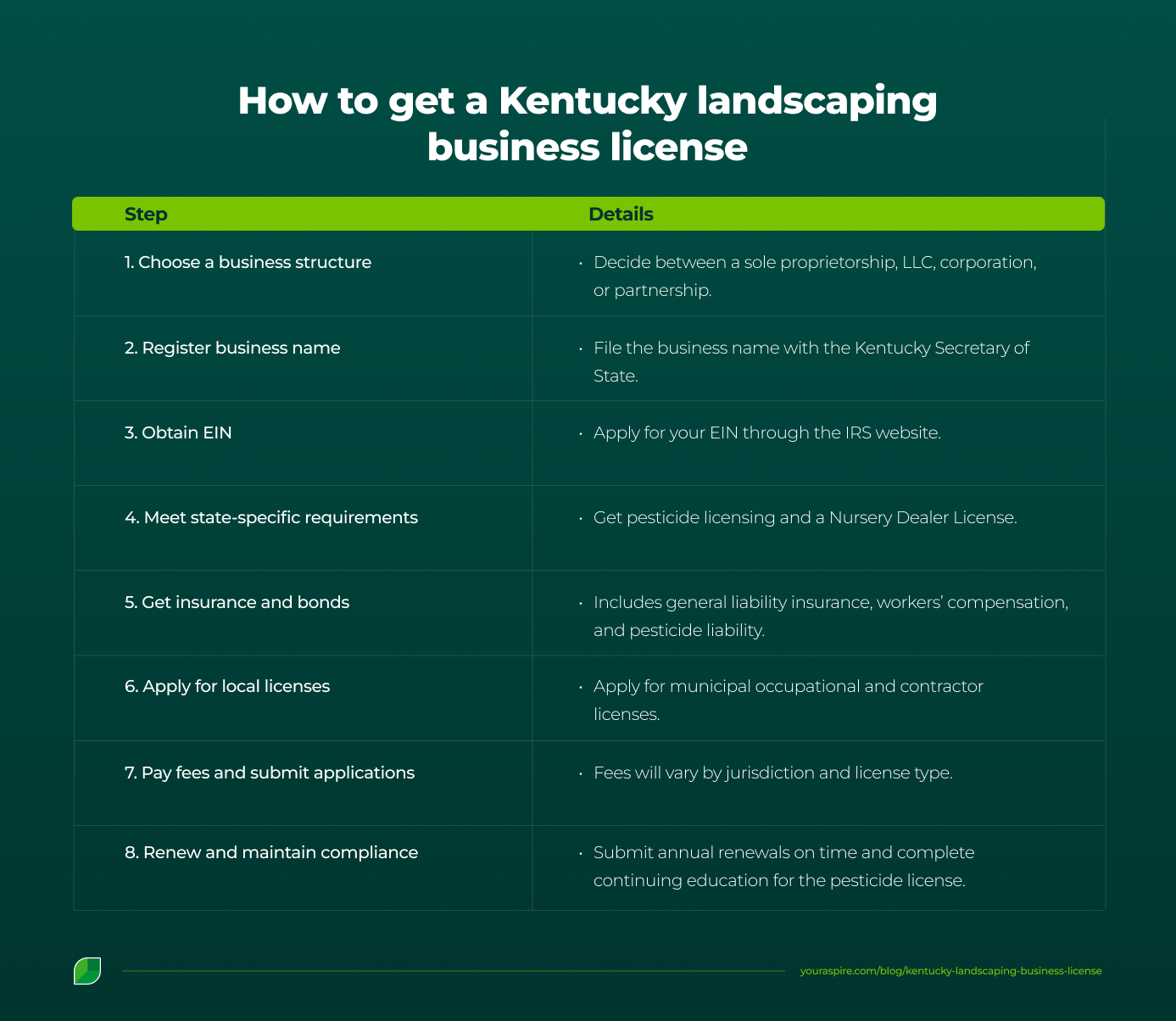
Below is a walkthrough of the application process for your landscaping business license.
1. Choose your business structure
Your business structure will determine your tax obligations, personal liability protection, and administrative requirements:
Sole proprietorships are the simplest option, but they won’t give you liability protection.
Partnerships work similarly, but split ownership between two people.
LLCs offer liability protection and simpler taxes than corporations.
Corporations have the strongest liability protection, but taxes are more complex.
Once you’ve chosen a structure, it’s time to complete your state registration.
2. Register your business name
Register your business with the Kentucky Secretary of State to establish your business entity. For LLCs and corporations, file Articles of Organization or Articles of Incorporation with the Kentucky Secretary of State.
Sole proprietors and partnerships will only need to register with the county where their business operates.
If you plan to operate under a name different from your legal business name, you’ll also need to register a “Doing Business As” (DBA) name.
3. Obtain an EIN (Employer Identification Number)
You’ll need an EIN if you have employees, operate as an LLC or corporation, or plan to open a business bank account.
The application takes about 15 minutes on the IRS website and is free. Keep your business registration information on hand to complete the application quickly.
4. Meet state-specific licensing requirements
Next, apply for the state-specific licenses you’ll need:
Commercial Pesticide Operator License from the Kentucky Department of Agriculture. Employees who will apply pesticides will need Commercial Pesticide Applicator Licenses.
Nursery Dealer License from the Kentucky Department of Agriculture’s Division of Plant Health. If you plan to grow and sell plants directly, you’ll also need a Nurseryman Certification.
The overall timeline for these applications is 2-4 weeks.
5. Get business insurance and bonds
Most local contractor licenses require proof of insurance for approval. You’ll likely need a few different types of landscaping business insurance:
General liability insurance protects against property damage and bodily injury claims.
Workers’ compensation covers employee medical expenses and lost wages in case of injuries.
Surety bonds for some jurisdictions (though it’s a less common requirement in Kentucky).
You can often get insurance quickly (sometimes even the same day) once you have a Kentucky business entity.
6. Apply for local contractor licenses, permits, and certifications
After you get insurance, you’ll need an occupational license in each municipality where you’ll be working.
Check the requirements to see if you need a contractor license before starting work to avoid penalties.
While larger cities like Louisville and Bowling Green usually require contractor licenses, smaller municipalities might not require them.
7. Pay fees and submit your applications
Once all your documentation is prepared, submit your applications and be ready to pay the required fees, including:
State business registration fees
Certification fees
Local occupational license fees
Some jurisdictions will let you file online, while others will require in-person or mail submissions. Keep copies of all payment receipts for your records.
8. Renew and maintain compliance
Licensing isn’t a one-time process. To stay compliant, Kentucky business entities need to file annual reports with the Secretary of State by June 30.
Local occupational licenses and contractor licenses usually renew annually.
Commercial Pesticide Applicator Licenses require continuing education.
Track renewal dates for all your licenses, permits, and insurance policies with calendar reminders to avoid lapses.
How much does a Kentucky landscaping business license cost?
The cost of obtaining a landscaping business license in Kentucky will vary significantly depending on your location and the services you offer.
There are also annual fees associated with the renewal process for landscaping licenses, so you’ll need to budget for them every year.
1. Business registration fees
Kentucky Secretary of State filing: $40 filing fee, plus $15 annual report
County Clerk filing: Varies by county, usually $5-$50
DBA registration (if applicable): $20
2. State licensing fees
Commercial Pesticide Operator License: $25 one-time certification fee + $25 annual renewal
Pesticide Dealer registration: $50 annually
Commercial Pesticide Applicator License: $10 per employee per year
Nursery Dealer License: $40 annually
3. Local license fees
Occupational licenses: $15-$100 annually, depending on location
Contractor licenses: $50-$250 annually, depending on location
4. Insurance costs
General liability insurance: $400-$1,500 annually
Workers’ compensation insurance: $600-$2,000 annually
Pesticide liability insurance: $1,500-$5,000 annually
Additional expenses include continuing education for pesticide certification and any late renewal penalties. Being organized will help you keep costs low by avoiding late penalties and fines.
What are the most common mistakes to avoid when getting a license?
Kentucky’s decentralized regulations make registration a bit more complex than some other states – and make it easy to overlook key requirements.
Below are some common pitfalls to avoid when starting a landscaping business in Kentucky.
1. Skipping state-specific requirements
Some contractors assume that no state-level requirements exist in Kentucky because it doesn’t require a state contractor license. However, LLCs and corporations will still need to register with the Kentucky Secretary of State.
You’ll also need:
State pesticide licenses
State nursery licenses
Failing to meet these state requirements can result in penalties and an inability to legally collect payment for completed work.
2. Not getting the right insurance or bonding
Most local contractor licenses require proof of insurance, and failing to get the right insurance means starting over. Common insurance mistakes include:
Getting coverage below the minimum requirements
Failing to include all required certificate holders on insurance documents
Missing the pesticide liability requirement
Another common mistake can happen after licensing: hiring employees without adding workers’ compensation. This violates your license conditions and state law, and makes your business vulnerable to liability for workplace injuries.
3. Failing to renew on time
The Kentucky Secretary of State requires annual reports by June 30 every year. Pesticide licenses expire on December 31 annually and must be renewed before March 1 to avoid a 25% late fee.
Keep in mind that you’ll also need to renew local licenses annually, and missing these deadlines can lead to:
Late fees and penalties
Suspended licenses
Inability to operate legally or secure new projects
That means you’ll not only need to understand licensing requirements, but also track renewal timelines to keep your business running smoothly.
How Aspire helps landscaping businesses stay organized and compliant
Keeping up with Kentucky’s business requirements might seem overwhelming, but Aspire’s landscape business software can help make it easier.
From tracking contracts to managing multi-jurisdiction compliance, Aspire keeps your Kentucky business organized and compliant.
Contract and proposal management
Aspire’s contract and proposal management tools keep all your information in one place.
Securely store service agreements that comply with local laws.
Update and share agreements for landscape maintenance, design-build projects, and chemical application services.
Maintain insurance information to protect your business from liability.
Invoicing and payment processing
Aspire’s invoicing tools let you maintain accurate financial records.
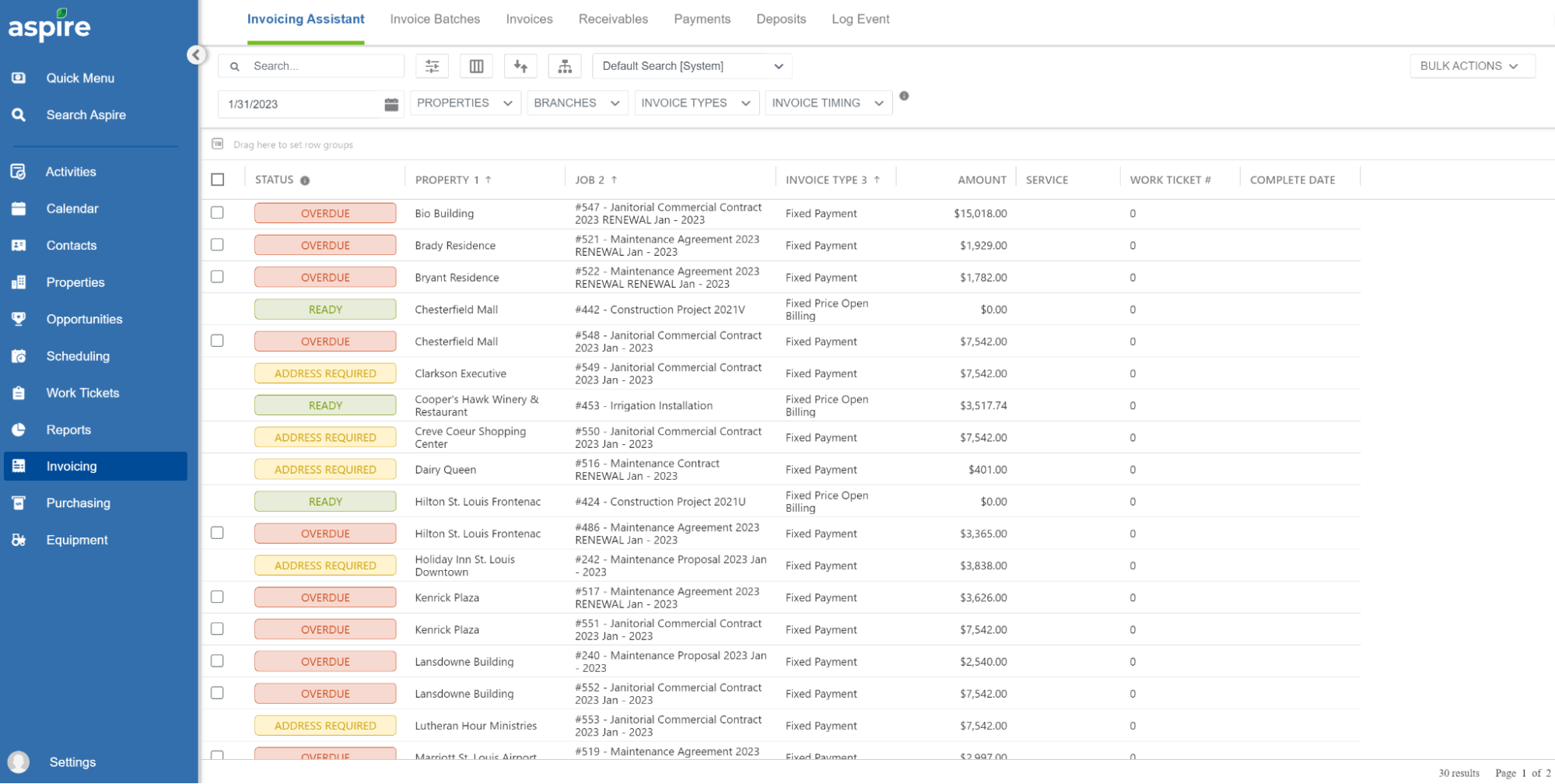
Simplify Kentucky tax filings and annual reporting requirements.
Track payments and revenue across multiple service locations.
Automate billing for maintenance contracts to improve cash flow.
Business reporting and documentation
Centralized business reporting tools allow you to track license renewals and continuing education requirements.
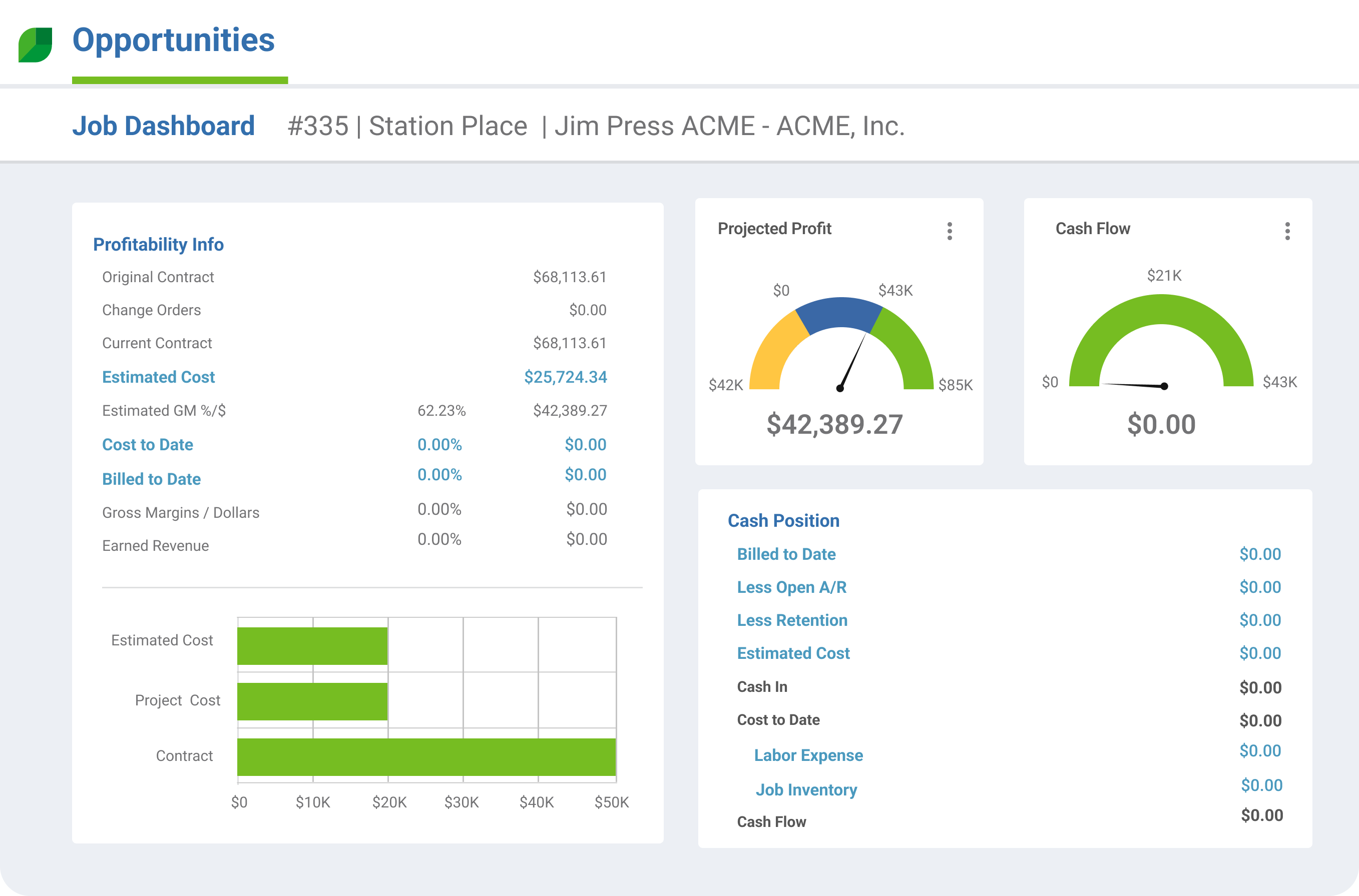
Attach PDF copies of pesticide certifications, nursery licenses, and insurance certificates to proposals.
Get real-time job costing data for instant insights on project profitability.
Keep a finger on the pulse of statewide business locations.
Scheduling and job management
Assign jobs based on employee certifications and local licensing requirements.
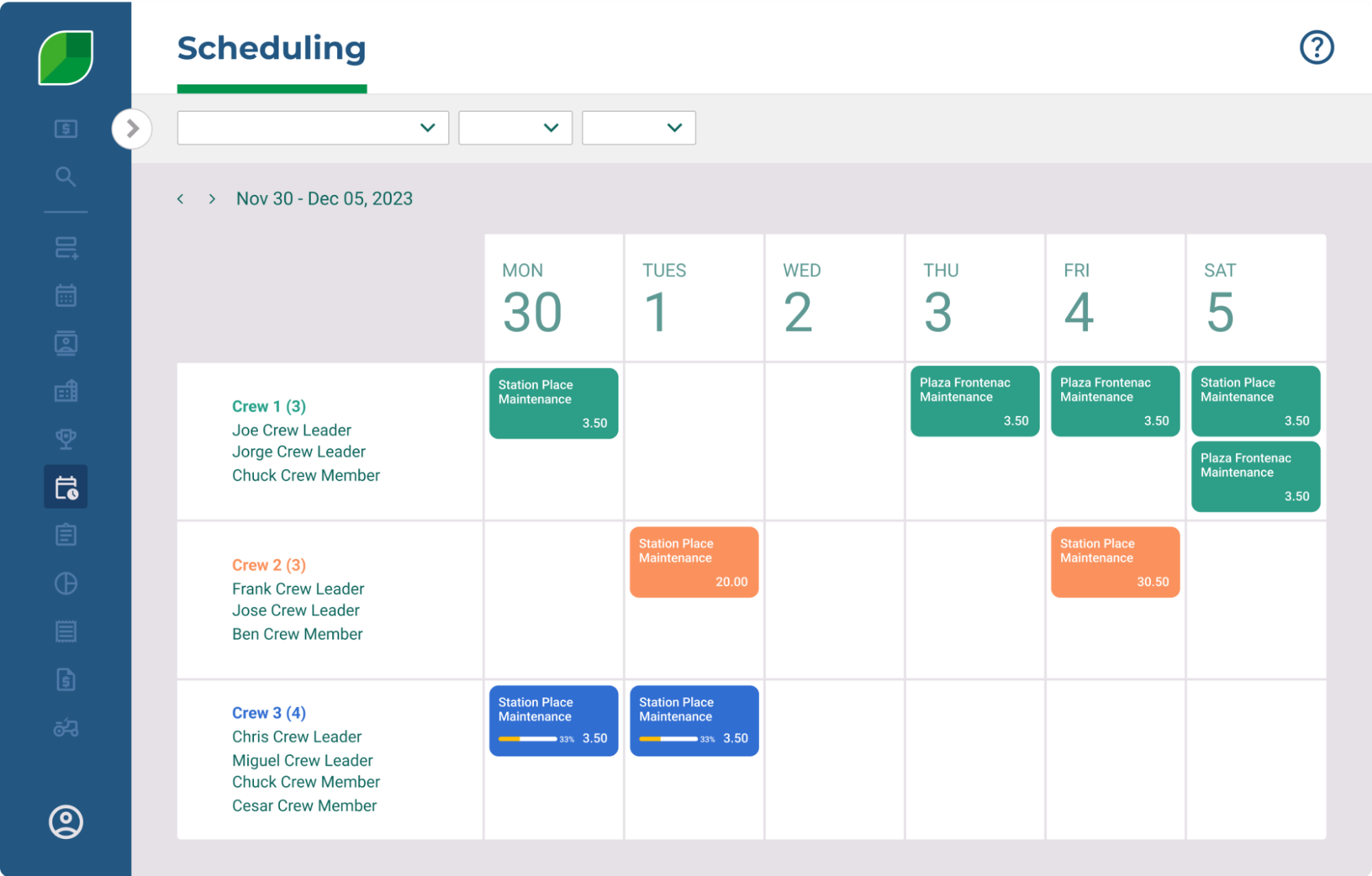
Ensure only properly licensed applicators handle pesticides and fertilizers.
Track project timelines and crew availability in real time across all Kentucky locations.
Use drag-and-drop features to update schedules in real time.
With all these features and more, Aspire streamlines day-to-day business administration so you can focus on what really matters.
Over to you
Administrative complexity doesn’t need to get in the way of starting a landscaping business in Kentucky.
Aspire ensures smooth business operations from start to finish so nothing slips through the cracks – including your license renewals. Manage contracts, invoicing, compliance, and scheduling in one place, even across multiple locations.
Ready to see why Aspire is a top choice for landscaping contractors? Book a demo today to start your Kentucky landscaping business off on the right foot.
Disclaimer
This article is for informational purposes only and should not be considered legal or financial advice. While every care was taken to use official sources, you should always verify requirements on the Kentucky government websites.












 866-727-7473
 Schedule Demo
 390 S Woods Mill Rd #300 Chesterfield, MO 63017


