Table of Contents
Table of Contents
- What are the 15 best landscaping business ideas?
- Which landscaping niches are best for beginners?
- What are creative landscaping business ideas for small towns?
- What are cutting-edge landscaping business ideas?
- What are the benefits of starting a landscaping business?
- What are the most common challenges in landscaping businesses?
- What is the average profit margin for landscaping businesses?
- How can you grow a landscaping business quickly?
- Over to you!
- Frequently Asked Questions (FAQs)
You’ve always wanted to start a landscaping business, but haven’t been able to for several reasons:
Uncertainty about which niche will actually sell
Struggling with how to price profitably
Difficulty deciding which landscaping idea to pursue
However, you feel it’s time to take this dream seriously.
But then, how do you take it from being an “idea or dream” to a profitable, repeatable service delivery?
This guide tells all, providing different landscaping ideas to pick from.
It also explores:
Best niches for beginners
Business ideas for entrepreneurs in small towns
Ideas for year-round landscaping services
Challenges you can expect
Ideal profit margin for landscaping services
Without further ado, let’s get started.
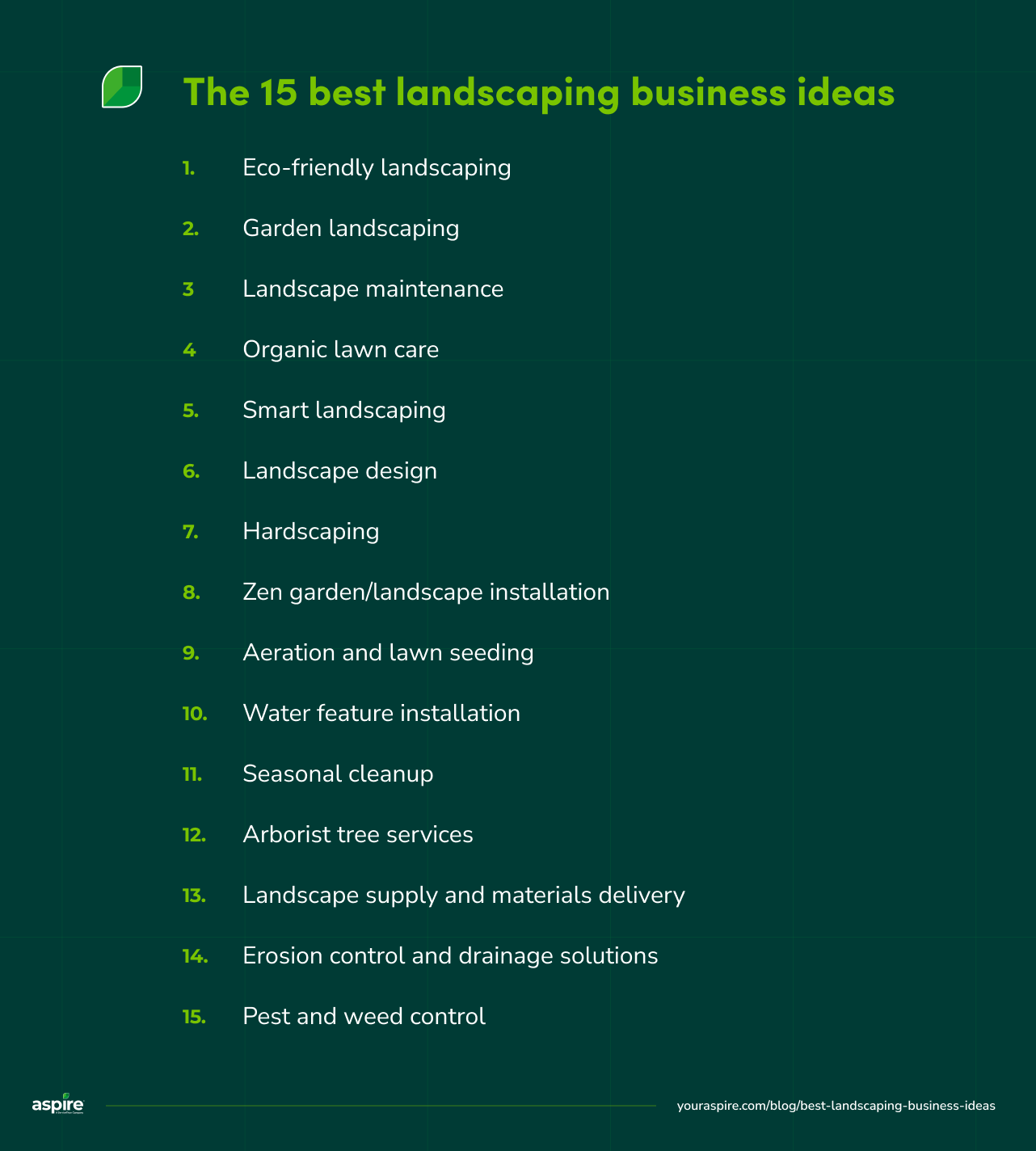
What are the 15 best landscaping business ideas?
There are several landscaping niches you can start with. But before choosing any, you need to understand the local market conditions and customer demand in your state.
For instance, states with heavy rainfall often have abundant plant growth. In those areas, services like lawn maintenance, erosion control, or the sale of lawn care products tend to thrive well.
On the other hand, regions where homeowners invest heavily in outdoor spaces may see stronger demand for hardscaping, water feature installation, or pest control services.
The point is that the more you understand your market and audience, the higher your chances of a thriving landscaping business in 2026.
To make that decision easier, the next section breaks down 15 landscaping business ideas, including why each one is worth considering and the type of market where it performs best.
1. Eco-friendly landscaping
In states with water shortages, like Colorado, New Mexico, and California, there’s been a growing shift towards sustainable landscaping. It’s an option that helps clients conserve water without sacrificing curb appeal.
Instead of traditional nursery stock, native plants (species adapted to the region’s climate) are used to create low-maintenance, low-water landscapes.
If you’re in a region with growing drought conditions, this is a business idea you can capitalize on.
Here’s why: it’s in high demand and a good option for environmentally conscious clients.
Average start-up costs: $5,000–$50,000+ to cover registration, permits, insurance, equipment, rent, utilities, a truck, native plant materials, and other supplies.
Average revenue potential: $500–$5,000+, depending on client type, project location, and negotiating power.
2. Garden landscaping
According to an Axiom study, 44.4% of respondents surveyed in the U.S. said they intend to spend more time gardening in 2025, and approximately 40% said they’ll spend more money on it.
Here’s what that means for you: Gardening is a big deal around the country.
Not only do people love beautiful, functional outdoor spaces, but gardening also offers an opportunity to grow food and save money.
As such, you can start a garden landscaping and design business that helps homeowners create aesthetically pleasing gardens that also serve as small farms.
Your services can include:
Rooftop garden designs
Small backyard installations
Garden-care plans and products
Plant care and health checks
Maintenance planning for homeowners who want to DIY
New garden setup courses
Holiday maintenance
Average start-up costs: $3,000 to $50,000
Average revenue potential: $100-$5,000+ per project, depending on garden size and city.
3. Landscape maintenance
Lawn maintenance is one of the business ideas on this list that’s easy to get into. It’s a service that’s offered by 80% of landscaping companies. Many of them say it’s their primary service for new and existing customers.
As a new landscaper, offering maintenance services such as mowing, trimming, edging, weeding, and seasonal cleanups provides stable, recurring monthly revenue.
It’s also a good entry point because you don’t need a whole lot of experience with more complex services.
Plus, it has a low startup cost, requiring mowers, weed whackers, leaf blowers, rakes, edgers, and shears for a start. This means you could start small as a solo entrepreneur and scale the business fast with proper management.
Average start-up costs: $500-$50,000+, depending on your initial business structure and whether you intend to buy everything new.
Average revenue potential: $30-$100
4. Organic lawn care
Think traditional lawn maintenance is too crowded in your region?
You can position the landscaping business as one that focuses on maintaining healthy lawns using natural fertilizers, soil conditioning, and non-toxic weed/pest control methods.
You’ll be catering to environmentally conscious clients who want chemical-free lawns.
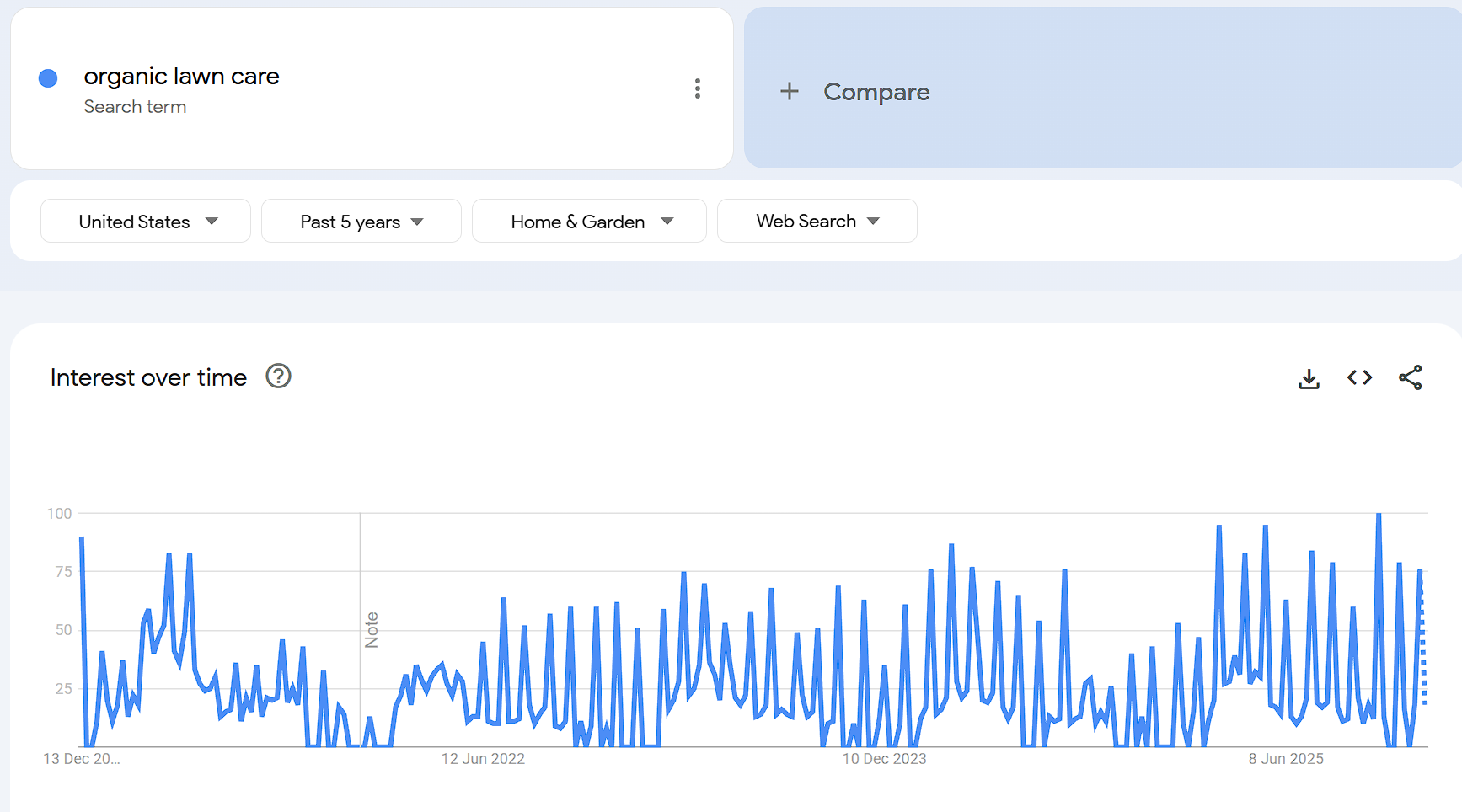
Considering the effect of traditional lawn chemicals on pets, children, pollinators, and groundwater, there’s been a steady trend in the search for organic lawns.
And that’s only going to continue.
So, your business will ultimately be selling natural lawn treatment and peace of mind. A good fit for suburbs with young families, communities with environmental regulations, and areas with water shortages.
Average start-up costs: $5,000-$50,000+
Average revenue potential: $300-$5,000+
5. Smart landscaping
You can launch a landscaping business that combines traditional landscaping with technology to provide a more beautiful outdoor space. It’s ideal for homeowners or corporate campuses that want curb appeal that adapts to their needs.
Picture yard lights that come on with a simple tap on a smartphone or irrigation systems that ensure plants are hydrated based on local conditions and weather data.
Average start-up costs: $5,000-$50,000+
Average revenue potential: $300-$5,000+
6. Landscape design
As a landscape designer, you essentially become the architect of outdoor spaces, creating beautiful outdoor environments for homes, businesses, or public areas.
Just like how architects help design buildings, landscape designers bring the client’s vision for their yard to life. You help them plan and design their outdoor spaces before a traditional landscaper executes the work.
Wondering if this is a good path?
Well, the Bureau of Labor Statistics shows employment of landscape architects is projected to grow 3% from 2024 to 2034, about as fast as the average for all occupations.
In addition, because landscape architects focus mainly on design, there’s usually no need to invest in landscaping equipment.
A good personal computer, a state license certificate, design software, and an effective marketing campaign are all you require to kick things off.
Average start-up costs: $5,000-$180,000, covering a bachelor's degree education, personal computer, software purchase, licensing fees, and marketing.
Average revenue potential: $2,000-$70,000+, depending on the project type, complexity, and scale.
7. Hardscaping
Another business idea you can attempt as a standalone or add-on service in 2026 is hardscaping.
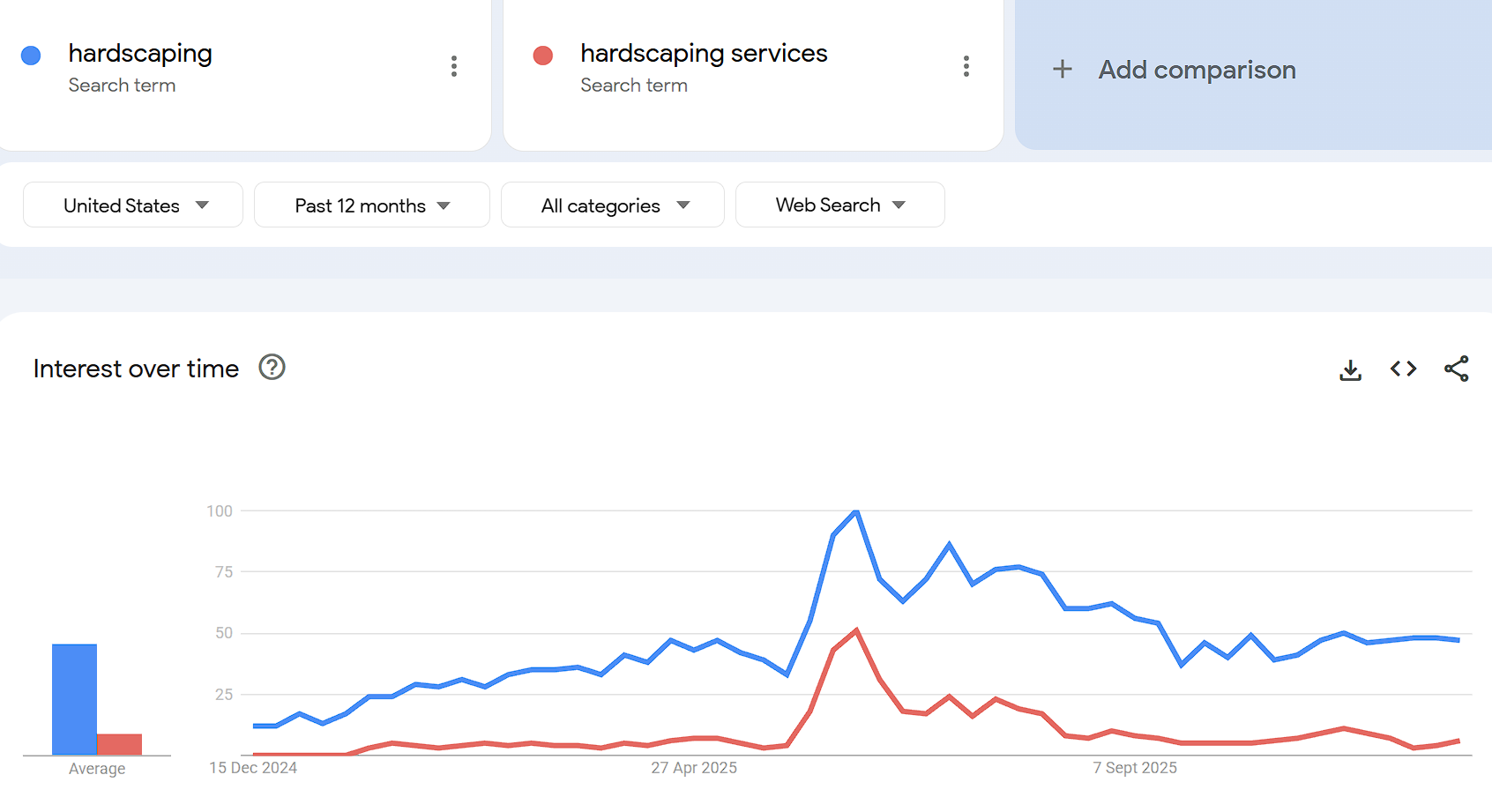
Google Trends shows it’s a term that’s being searched for consistently on the search engine, especially during the summer.
If you’ve got experience in yard construction or masonry, this is a business to explore. It involves designing and building features like walkways, retaining walls, or patios.
While it’s typically more intensive than most landscaping services, its payout is significantly higher.
Average start-up costs: $15,000-$50,000+
Average revenue potential: $3,000-$20,000+
8. Zen garden/landscape installation
This is an unconventional idea, as it’s not a mass-market landscaping business in most regions.
However, if you’re in a busy commercial city, this can be a premium add-on or niche service offered to short-term rental owners, hospitality businesses, and busy homeowners.
Why?
Butterfly gardens, meditation gardens, or sensory gardens can provide a stress-reducing and appealing outdoor space for clients. It can be a place where they can relax or a selling point for commercial customers.
Plus, it’s low-maintenance, requires little to no watering and minimal plant care, and incurs few ongoing maintenance costs.
Average start-up costs: $1,500-$10,000+
Average revenue potential: $500-$10,000+
9. Aeration and lawn seeding
In a region with heavy clay soil, high humidity, or compacted soil?
You can offer aeration services to property owners to combat compaction, enhance water and nutrient flow, and promote healthy root growth.
There’s a steady demand for it across the country, as the service makes lawns appealing and desirable. Plus, it’s easy to sell with most people wanting to improve their yard's appearance.
However, you probably want to make it an add-on to other lawn care services for year-round revenue.
Average start-up costs: $2,000-$30,000+
Average revenue potential: $300-$5,000+
10. Water feature installation
You could also get into designing and building water features for people's yards, like fountains, ponds, or waterfalls.
It’s a business that improves the property’s value for residential or commercial clients and provides a safe space where people can take a break.
Water feature installations can also help double your profit margin, as you will need to do plumbing, light electrical, and drainage work. This enables you to charge more for services offered.
Average start-up costs: $5,000-$15,000+
Average revenue potential: $2,000-$13,000+
11. Seasonal cleanup
The summer-to-fall season change provides another business opportunity for new landscapers. Leaves are falling, and there are dead plants, yard waste, and sometimes overgrowth as the weather shifts.
Home and business owners with busy schedules need people who can help remove this debris—nobody wants their property looking neglected.
That’s where you come in, helping them clean their lawns and look attractive.
The start-up costs for seasonal cleanups are low, demand is predictable, and jobs can be completed quickly with minimal crew training. It can also help you:
Build a client list so you can offer additional services
Generate consistent revenue
Upsell other opportunities
Average start-up costs: $500-$8,000
Average revenue potential: $150-$3,000 per project
12. Arborist tree services
Did you know that the tree service industry is currently valued at $1.49 billion and is estimated to reach $2.51 billion by 2034?
A key driver of this figure is the consistent client demand.
You can get a piece of that by starting an arborist and tree services company, with services including tree pruning, removals, stump grinding, and tree health assessments.
Now, considering the tedious work, the risk involved, and the use of specialized equipment, clients generally don’t mind paying a premium for this service. This makes it a profitable business if you’re just starting out.
You would also benefit from limited competition and pretty consistent demand year-round.
Average start-up costs: $5,000-$50,000
Average revenue potential: $500-$5,000+
13. Landscape supply and materials delivery
Does your city or state have a lot of landscaping services? Set yourself apart by focusing on material and equipment logistics.
Since landscapers and even homeowners will obviously need supplies or gear to get projects done, you can make it easy for them to get soil, mulch, gravel, plants, or firewood. This can also include renting out landscaping equipment.
You can pair this business with a landscape installation service, as clients can benefit from your wholesale prices.
Bear in mind, however, that the start-up costs here can be high because you must always have sufficient stock available for sale or rent.
Average start-up costs: $20,000-$70,000+
Average revenue potential: $500 and above
14. Erosion control and drainage solutions
This business is ideal in regions prone to flooding and erosion or with heavy rainfall.
You’ll be providing services that property owners can’t ignore, such as rain gardens that naturally absorb and filter rainwater, reducing erosion and pollution, as well as French drains, swales, and even grading.
If you have excavation experience, you may want to explore this option, as it offers strong profit margins. However, the stakes are much higher, and the solutions demand specialized knowledge.
Average start-up costs: $20,000-$80,000
Average revenue potential: $1,000-$5,000 per job
15. Pest and weed control
Here’s another business idea people consistently search for on Google, as it involves protecting their outdoor spaces during seasons (summer and spring) when there are high infestations and weed growth.
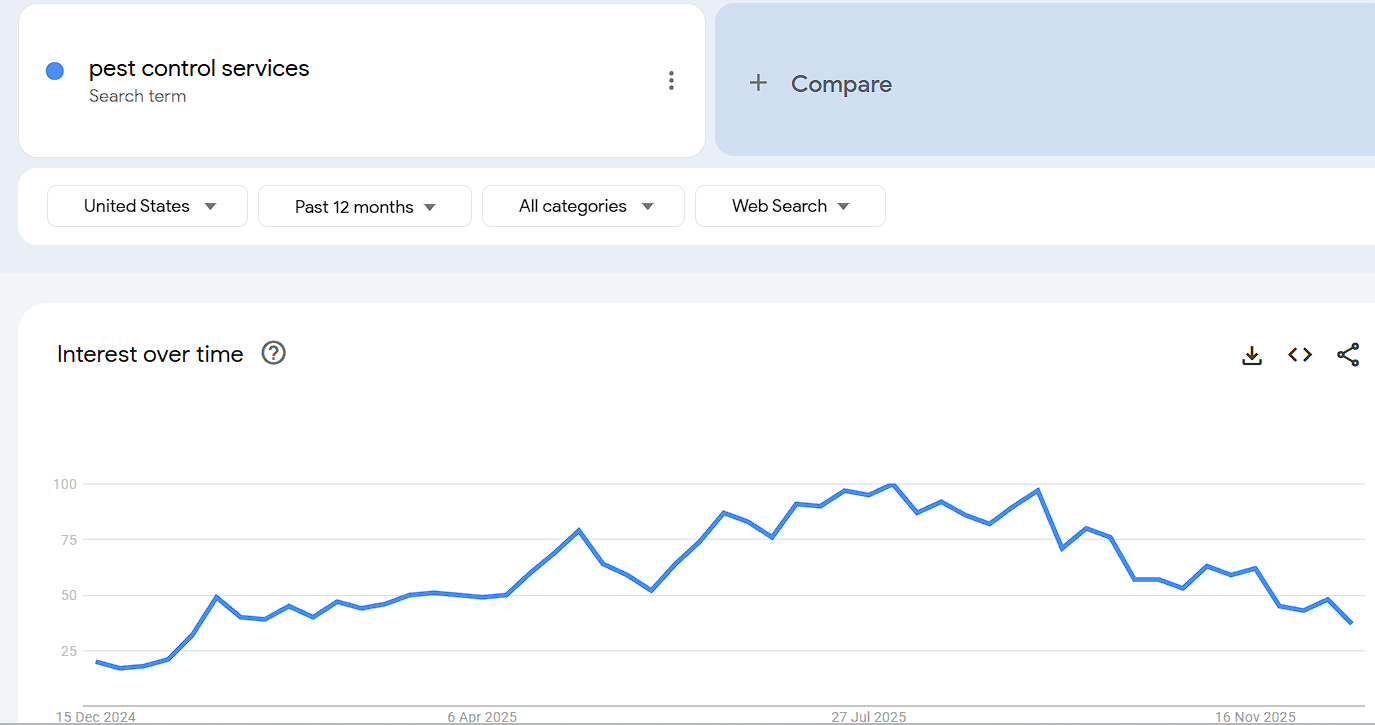
While this can be a standalone service, it’s advisable to pair it with other lawn care services for year-round revenue.
However, most states require you to pass a licensing exam to get the necessary certifications before you offer this service.
Average start-up costs: $10,000-$50,000+
Average revenue potential: $60-$300 per visit
Which landscaping niches are best for beginners?
For beginner landscapers, the best landscaping niches are those with low entry barriers, high demand, straightforward operations, and consistent revenue.
Here are some options that fit the criteria:
Seasonal cleanup: You can start with simple tools, charge per job, and get paid quickly. Here, minimal training is required, and you can begin operations quickly.
Lawn maintenance: Services like trimming, mowing, or edging are easy to market, as clients already know what they are. The simple service scope helps you learn the ropes of landscaping quickly. Plus, you can secure monthly contracts.
Landscape material supply: Supply is another beginner-friendly landscaping niche to explore. Your job is to supply what people need, so no technical expertise or labor is required.
What are creative landscaping business ideas for small towns?
Some of the most creative landscaping business ideas are listed below:
Native plant landscaping: If you're in a smaller town, starting an eco-friendly landscaping business that focuses on using native plants to spruce up people's yards is a pretty cool and creative approach. It’s low maintenance and helps locals save money in the long term.
Vacation property landscaping: Do you live in a town with vacation homes or Airbnb rentals? Offer seasonal lawn care, inspections, and cleanup to out-of-towners. It’s recurring revenue and has a low price resistance.
Edible garden design and installation: This is a good option because it appeals to the growing farm-to-table trend that provides food for the locals and decorates their properties.
What are cutting-edge landscaping business ideas?
If you want to go beyond traditional strategies, here are cutting-edge landscaping business ideas to explore:
AI-driven smart irrigation services: Use weather data, soil sensors, and app-controlled systems to optimize watering and reduce water bills. It’s an appropriate option for clients who need to conserve water.
Smart landscape lighting and automation: This involves installing app-controlled lights and motion sensors to enhance the appeal of outdoor spaces.
Autonomous maintenance: Here, you use tools like robotic lawn mowers and automated sprinklers to provide 24/7 lawn care with minimal human intervention. It allows you to offer maintenance services without labor costs.
What are the benefits of starting a landscaping business?
Starting a landscaping business is awesome because you get to call the shots, pick your own hours and clients, and really make a difference by creating gorgeous outdoor spaces for people.
On top of all that, here are other perks to launching your own business:
Flexibility: You can start with a budget as low as $5,000, less, or even more. The business can also begin as a side hustle till you’re ready to scale up. Essentially, you can do things at your own pace.
Repeat customers: Landscaping is one of the easiest businesses in which to build long-term client relationships, generate referrals, and grow sustainably. Because you’re working on people’s homes, you naturally have more face-to-face interaction.
When you show up consistently, do quality work, and communicate well, clients are more likely to stick with you and recommend you to neighbors, friends, and family.
Recession-resilient: Landscaping has several niches you can specialize in. So while luxury installs might slow down in a harsh economy, essential services like lawn care and maintenance, drainage, tree services, or other safety-related work will remain in demand.
What are the most common challenges in landscaping businesses?
Even though starting a landscaping company offers several benefits, it’s not without its drawbacks.
Seasonality can affect cash flow: In many states, landscaping projects slow down during winter or extreme weather. If you don’t have seasonal contracts or recurring services, you’ll have no revenue during those times.
Solution: Offer complementary services, like snow removal, during winter to ensure a stable income.
It's physically demanding: Landscaping typically requires long hours, and it can put a lot of strain on your body, especially if you’re a solo operator.
To manage stress, whether as a sole proprietor or an employer, schedule projects appropriately to maintain a measured, manageable pace.
Use a tool like Aspire to schedule projects the moment they’re won and assign dates and crews. This way, you can monitor project plans and not double-book jobs or overcrowd your calendar.
Equipment maintenance costs add up: Your trucks and equipment, such as mowers, trimmers, and trailers, need regular maintenance. If you don’t plan for it, your profit margins will be affected.
But a tool like Aspire helps you manage landscaping equipment. You can load the equipment details to the platform and track its usage. The system will notify you when it’s time for maintenance or a replacement.
What is the average profit margin for landscaping businesses?
According to FieldCamp, the average profit margin for landscaping businesses ranges from 10% to 14%.
However, those margins are affected by direct costs such as materials, labor, equipment, fuel, and overhead, as well as by competition, services offered, and pricing strategy.
How can you grow a landscaping business quickly?
When it’s time to scale your landscaping operations, here are tactics you can leverage:
Traditional and digital marketing: You need to advertise your services consistently to ensure people in the region become familiar with the brand. Share fliers across town, speak with neighbors and friends, run digital marketing campaigns, and use social media and search ads to target potential customers.
Turn single projects into recurring revenue: One way to grow the business is to offer bundled services to clients. Instead of finding a new customer for each project, package multiple deals into one.
For instance, if you offer a fall cleanup, combine it with spring cleanup or seasonal lawn maintenance to increase the customer lifetime value and stabilize cash flow.
Rely on systems: To scale a landscaping business, you need systems to streamline operations and not rely on memory. This would help automate processes and ensure nothing slips through the cracks.
A tool like Aspire, for instance, enables you to:
Create estimates using templates, so you can bid jobs quickly.
Schedule projects when they’re won, ensuring deadlines are met and that there’s no double or overbooking.
Invoice clients to receive payments fast on Aspire.
Track operations, giving you detailed insights into all that goes on in the business so you can make informed decisions.
Monitor new leads as they come and send follow-up messages.
With a system like this in place, you have a solid foundation to build on and grow the business. Everything is in a single location, so you’re not scrambling for information from different sources.
Over to you!
Decided on which business idea you want to build on?
Whichever option you choose, our suggestion is to invest in a management tool, such as Aspire, because it can make a big difference.
Here’s why:
It helps you handle jobs more professionally by keeping customer information organized, improving scheduling, and making it easier to track costs as you grow.
This kind of system saves time and sets your business up to scale without chaos.
Schedule a demo with Aspire to understand how it can help you manage the business.
Frequently Asked Questions (FAQs)
What are profitable landscaping services to offer?
Here are some profitable landscaping options you can provide:
Hardscaping
Tree care
Garden landscaping
Zen landscaping
Organic lawn care
What are some low-cost landscaping business ideas?
Low-cost landscaping businesses:
Lawn care maintenance
Seasonal cleanup
Weed control
Mulching services
How much can you earn owning a landscaping business?
The actual figure varies depending on location, niche, and size. But, here’s a rough estimate to guide you:
Sole proprietorship, basic services: $30,000–$70,000 annually
Small team, recurring contracts: $100,000–$250,000 annually
Specialized niches (tree care, erosion control, commercial contracts): $300,000–$600,000+ annually
What skills are needed to run a landscaping business?
Strong soft skills, along with operational knowledge, are required to run a landscaping business.
You’ll need:
Technical skills: Basic landscaping, lawn care, or specialized niche knowledge
Business skills: Pricing, budgeting, scheduling, and job estimating
Customer service: Communicating professionally and building long-term relationships
Team management: Hiring, training, and supervising crews as you grow
Marketing & sales: Generating leads, managing referrals, and maintaining an online presence










 866-727-7473
 Schedule Demo
 390 S Woods Mill Rd #300 Chesterfield, MO 63017


