
Table of Contents
Table of Contents
- The Rising Impact of Climate Volatility
- Rainy seasons are longer.
- Heat events compress work windows.
- Winter uncertainty creates scheduling headaches.
- Severe weather causes operational disruption.
- The dollars and cents of weather changes
- Financial Risks of Weather Disruption
- Labor costs continue during weather delays.
- Safety First: Protecting Crews from Weather Hazards
- Heat illness prevention protocols.
- Year-round weather safety preparedness
- Lightning and storm protocols.
- Equipment operation in adverse conditions.
- Post-storm hazard assessment.
- Building Flexibility Into Scheduling
- Strategic underutilization beats constant crisis management.
- Move crews quickly when the weather changes.
- Mobile access keeps everyone informed.
- Automated client communication
- Tech and Tools for Weather Risk Management
- Real-time job costing
- Equipment maintenance tracking
- Preventive maintenance scheduling
- Centralized change order management
- Client communication platforms
- Mobile field documentation
- Cloud-based accessibility
- Weather-Proof Your Operations Today
The Rising Impact of Climate Volatility
Seasonal patterns learned over decades—when to schedule certain types of work, when weather windows typically open, and how long favorable conditions last—are breaking down across many areas.
The reliable weather patterns that landscaping businesses built their operational calendars around are shifting, creating unpredictability that affects scheduling, profitability, and client relationships.
Rainy seasons are longer.
Many areas are experiencing longer rainy seasons that extend into periods traditionally reliable for outdoor work. Spring installation seasons that once started predictably now face delays stretching weeks longer.
Some regions are facing the opposite problem—drought conditions that limit water availability for installations and stress landscapes, changing project costs and timelines.
Heat events compress work windows.
Summers are featuring more frequent extreme heat events, compressing the usable work season and forcing schedule adjustments. Days above safe working temperatures require modified schedules and mandatory breaks—reducing productive hours during peak season.
Winter uncertainty creates scheduling headaches.
In northern regions, milder winters mean later ground freezing and earlier thaws, creating scheduling uncertainty. Snow removal businesses face inconsistent patterns while construction companies struggle to predict when ground conditions will support equipment.
Severe weather causes operational disruption.
More frequent severe storms—high winds, flooding, hail—damage work in progress, delay deliveries, and create extensive cleanup.
The dollars and cents of weather changes
Weather delays don’t just push timelines back—they compound costs throughout operations:
Crews wait out the weather but still get paid
Equipment sits idle
Materials ordered for a job may deteriorate in storage
Rescheduling creates inefficient routing that burns extra fuel
Client frustration builds, potentially affecting future business
Weather may also impact areas where your materials come from, creating supply chain delays that worsen the local weather impact you’re already experiencing. The 2026 Industry Report shows that 58% of contractors predict lead times of 2 to 3 weeks or more.
Financial Risks of Weather Disruption
Missing deadlines—even for weather-related reasons—can trigger financial penalties in commercial contracts.
Many contracts have liquidated damages clauses that assess fees for late completion, regardless of cause. These penalties directly reduce project profitability and can turn profitable jobs into break-even or losing propositions.
Delayed completion strains client relationships and makes future contract renewals uncertain. Even clients who understand get frustrated when projects drag on, affecting your reputation and competitive positioning for future work.
Labor costs continue during weather delays.
Paying crews for non-productive hours during weather delays puts financial pressure on the company. You’re paying wages without corresponding revenue generation, squeezing cash flow, and reducing overall profitability.
Compressed seasons leave revenue uncaptured.
When spring work gets compressed into a shorter window due to extended rain, you may not have crew capacity to handle all the work, even when the weather finally cooperates.
The bottleneck isn’t demand; it’s the physical impossibility of completing months of work in weeks.
Cash flow timing matters critically.
A two-week weather delay in completing projects means a two-week delay in billing, creating cash flow crunches that affect your ability to pay vendors, make payroll, or take on new work.
The Report reveals that, despite 76% of contractors invoicing within 4 days of completion, only 39% receive timely payment. Weather delays compound already challenging cash flow dynamics.
Recurring revenue provides stability.
Maintenance contracts provide more weather-resilient income.
A delayed mowing schedule due to rain doesn’t eliminate the need for service—it just shifts timing. According to industry data, 59% of contractors derive the majority of their revenue from maintenance work, providing crucial stability when project work is disrupted by weather.
Leadership time becomes constrained.
Time spent managing weather disruptions—rescheduling, client communication, replanning—is time not spent on business development, strategic planning, or operational improvement.
The hidden cost of constant weather adaptation is the opportunity cost of leadership attention diverted from growth activities.
Safety First: Protecting Crews from Weather Hazards
No project timeline or client deadline justifies putting crews at risk.
Weather-related safety incidents carry enormous costs—workers’ comp claims, OSHA citations, potential lawsuits, damaged reputation, and the human impact on injured workers and their families.
Heat illness prevention protocols.
As temperatures rise and extreme heat events become more common, the risk of heat-related illness intensifies. Heat exhaustion and heat stroke can develop rapidly, creating life-threatening emergencies.
Establish mandatory protocols:
Breaks every hour during high-heat periods
Unlimited access to cold water at all work sites
Earlier start times to avoid peak afternoon heat
Supervisor training to recognize early heat illness symptoms (confusion, excessive fatigue, nausea, dizziness)
Year-round weather safety preparedness
Cold weather protection requires equal attention:
Ensure crews have appropriate cold-weather gear provided by the company
Provide warming breaks in heated vehicles or facilities
Adjust schedules to avoid the coldest parts of the day
Don’t let workers stay in wet clothes for extended periods
Lightning and storm protocols.
Have clear protocols for evacuating work sites when storms are approaching.
Follow the “30-30 rule”: seek shelter when you see lightning and hear thunder before you can count to 30; wait 30 minutes after the last thunder before resuming work.
Equipment operation in adverse conditions.
Rain makes equipment operation more dangerous.
Mowers and other heavy equipment have reduced traction on wet slopes. Trenching operations are at risk of collapse in saturated soil. Visibility is reduced in heavy rain, making any equipment operation more hazardous.
Post-storm hazard assessment.
After severe weather, work sites may have hazards that weren’t there before:
Downed power lines (which may still be live)
Weakened tree limbs are ready to fall
Flooded areas hide dangers
Unstable soil conditions
Do a post-storm site assessment before crews return to work to protect workers from invisible dangers posed by severe weather.
Building Flexibility Into Scheduling
The rigid schedule trap.
Traditional scheduling methods—creating a week’s schedule on Friday afternoon and expecting it to execute exactly as planned—no longer work in an era of weather unpredictability.
The assumption that schedules will hold creates cascading problems when weather inevitably disrupts plans.
Build weather buffers into scheduling, especially during high-risk seasons.
Yes, buffers mean lower utilization during good weather—but you’re trading slight inefficiency for the chaos, client frustration, and financial costs of rigid schedules that constantly break.
Strategic underutilization beats constant crisis management.
Dynamic scheduling tools enable rapid adaptation.
Invest in scheduling software that handles weather delays efficiently.
Modern platforms allow you to move multiple jobs with a few clicks rather than spending hours calling clients and crews to reorganize schedules.
Move crews quickly when the weather changes.
During rain, move crews to covered work or indoor tasks, such as equipment maintenance or administrative work. Keep crews productive even when outdoor work is impossible.
Mobile access keeps everyone informed.
Crews need mobile access to schedules and real-time updates.
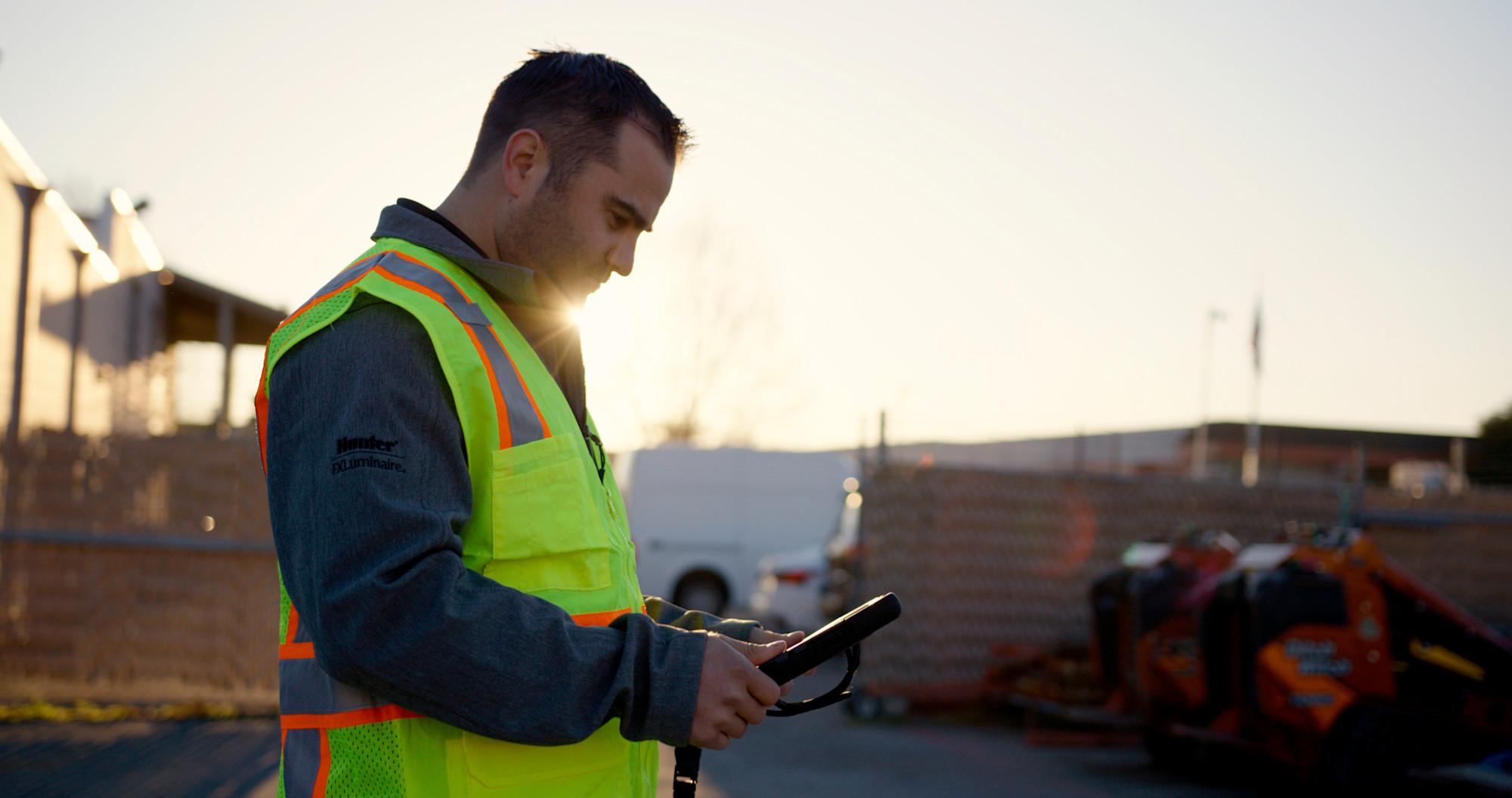
The Aspire Mobile app allows you to send push notifications to crew mobile devices, so you don’t have to call everyone individually when weather forces last-minute changes. Crews see updated schedules instantly on their phones, reducing confusion and miscommunication.
Automated client communication
When weather forces rescheduling, automated client notifications via text or email keep everyone informed and reduce the administrative burden on your office staff.
Clients appreciate proactive updates on delays rather than wondering why crews haven’t shown up on time.
Flexibility doesn’t mean chaos – it means having systems that adapt quickly to changing conditions while keeping crews and clients informed. The companies that handle weather disruption best are those with scheduling infrastructure designed for adaptation, not rigid adherence to outdated plans.

Tech and Tools for Weather Risk Management
Weather resilience requires visibility across operations—scheduling, job costing, equipment status, crew availability, client communication, and financial forecasting.
Fragmented systems that require checking multiple platforms make weather adaptation slow and error-prone.
Real-time job costing
Real-time job costing tools that track actuals against estimates help you know when weather delays are eating into your margins. Aspire's integrated platform provides this visibility, enabling proactive responses before weather impacts destroy margins.
Equipment maintenance tracking
Weather stress—working in mud, operating in extreme temps, and exposure to moisture—accelerates equipment wear and increases failure risk. Proactive maintenance tracking helps prevent equipment failure when you can least afford downtime.
Preventive maintenance scheduling
Systems that automatically schedule preventive maintenance based on usage hours, seasonal factors, and weather exposure ensure equipment is reliable when you need it most. Aspire systematically tracks maintenance schedules, preventing weather-stressed equipment from failing at critical moments.
Centralized change order management
Weather delays trigger change orders—adjusted timelines, additional work for storm damage, and a modified scope due to the extended project duration.
Centralized systems that manage change orders, track approvals, and link to job costing ensure you capture these changes financially and contractually.
Client communication platforms
Integrated client portals or communication tools allow you to notify multiple clients of schedule changes, share weather updates, and maintain transparent dialogue – reducing the administrative burden of constant rescheduling.
Mobile field documentation
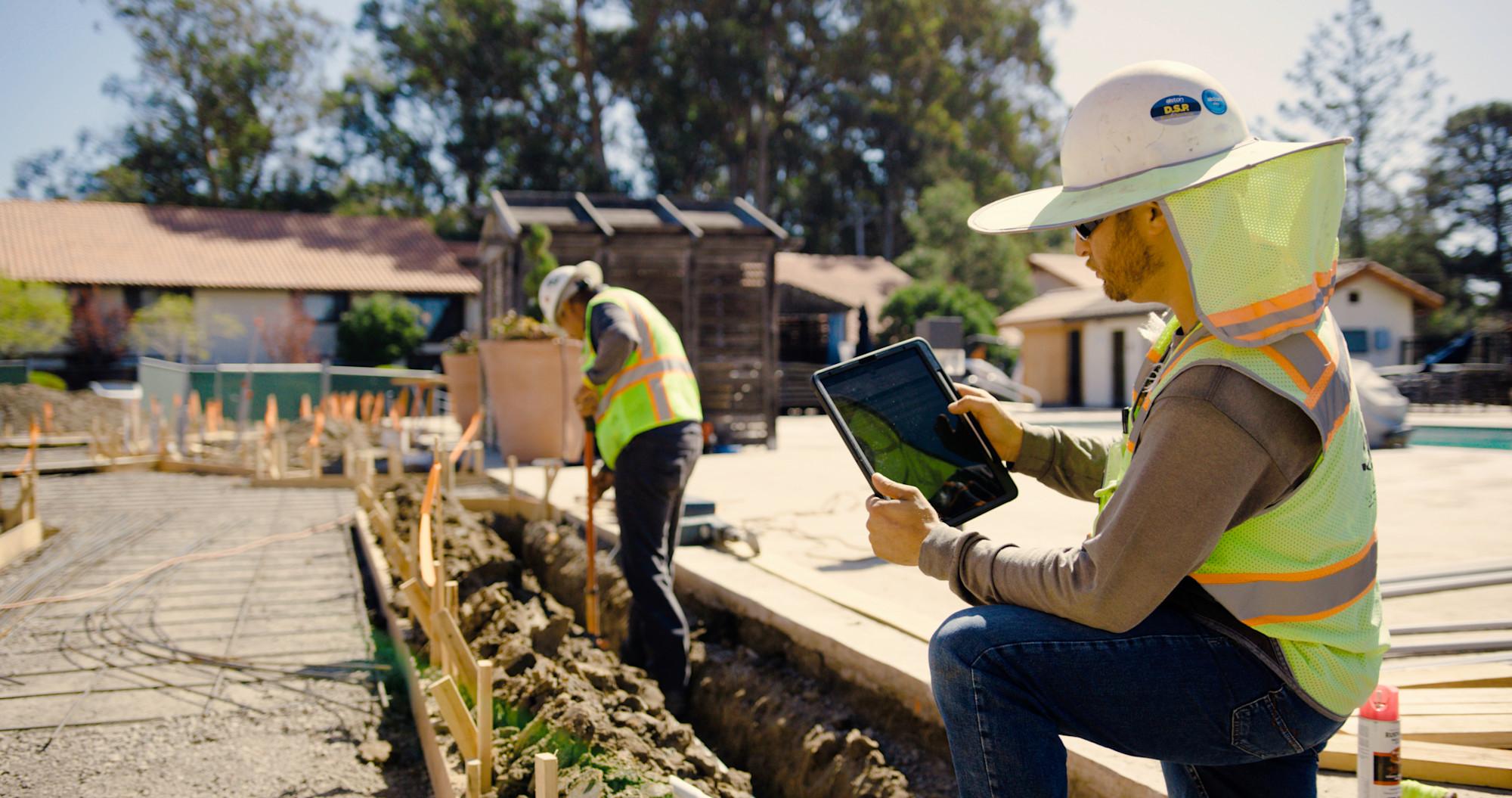
Crews should have mobile tools to document weather conditions with photos, notes, and timestamps. This real-time documentation provides evidence of weather delays and protects you if clients question timeline extensions or change orders.
Cloud-based accessibility
Weather changes don't respect office hours.
Cloud-based systems like Aspire let schedulers and managers make changes from anywhere – at home, on the job site, or on the road – so you can respond quickly when weather disrupts plans.
Weather-Proof Your Operations Today
The weather is unpredictable and getting more so in many areas.
The landscaping companies that will succeed won’t be those that avoid weather – they’ll be those that build operational resilience to adapt quickly when conditions change.
Explore how integrated business management systems like Aspire can give you the visibility, scheduling flexibility, and communication tools your operations need to weather climate uncertainty.
The right systems don’t just manage weather disruptions – they turn adaptation into a competitive advantage while your competitors struggle with fragmented tools and reactive crisis management.
Weather will always be part of landscaping’s reality, but it doesn’t have to control your business. Companies that build resilience today will be the ones that thrive tomorrow while their competitors are stuck in reactive chaos.
Ready to build weather resilience into your operations?
Discover how Aspire's end-to-end platform provides the scheduling flexibility, real-time visibility, and communication tools needed to adapt quickly when weather disrupts plans.
Aspire also offers ongoing training and support to ensure users get the most out of the platform.
Schedule a demo to see how weather-resilient operations give you a competitive edge.










 866-727-7473
 Schedule Demo
 390 S Woods Mill Rd #300 Chesterfield, MO 63017


