Table of Contents
Table of Contents
- Who are the best customers for landscaping businesses?
- 1. Homeowners
- 2. Commercial property owners
- 3. Multi-apartment property owners
- 4. Hotels and resorts
- 5. Homeowners associations (HOAs)
- 6. Municipal and government properties
- 7. Educational institutions
- How do you identify landscaping customers with high profit potential?
- Clarify what makes a customer highly profitable
- Profile your ideal customer
- Evaluate property type
- What are the red flags or warning signs of a bad landscaping customer?
- How can landscapers effectively find new clients?
- Common mistakes when targeting landscaping customers
- How do you retain the best landscaping customers?
- 1. Schedule regular check-ins
- 2. Offer quality guarantees
- 3. Create loyalty rewards
- 4. Conduct seasonal checkups
- How can Aspire help you identify and serve your best landscaping customers?
Every landscaping business owner wants great customers who:
Understand quality and are willing to invest in it.
Can clearly express what they want and provide feedback.
Make quick decisions that keep the project moving.
Pay invoices on time without being chased.
Recommend the business to friends, neighbors, and family.
They want clients who consistently generate revenue and make their landscaping business profitable.
But the question is: how do you know who the ideal client is for your business? Are they homeowners, educational institutions, or multi-family properties?
This guide will help you identify your target audience. You will learn about:
The best types of clients for a landscaping business.
Essential traits to look out for in a client, e.g., clear communication, decisiveness, etc.
How to identify landscaping customers with high revenue potential.
Ways to find your ideal clients, e.g., networking, social media, and referrals.
How to retain your landscaping customers, such as through loyalty rewards or quality guarantees.
Let’s dive right in!
Who are the best customers for landscaping businesses?
The best clients are individuals or institutions that are highly interested in landscaping services.
Below is a list of good client types that you may want to consider targeting for your business.
1. Homeowners
These are individuals or families with private properties who require landscapers to maintain their lawns and gardens. Residential clients are typically interested in:
Plant installations
Lawn mowing and edging
Pruning and trimming
Mulching and weeding
They make good clients because they’re personally and emotionally invested in their property. In fact, many homeowners understand what high-quality landscaping entails and are willing to invest in it.
They also enjoy the personalized service they receive and appreciate seeing the same crew members repeatedly. Another benefit of working with residential clients is the potential for upselling additional services.
Your job might start with driveways and decorative borders and quickly expand to lawn mowing, leaf removal, or snow salting. Once you get their trust, they become repeat customers who send referrals your way.
What makes them good customers: More flexible with schedule changes, referrals, emotional investment, loyalty, service-bundling opportunities, and year-round revenue streams.
2. Commercial property owners
Clients who own commercial properties, such as office complexes, industrial sites, retail centers, or malls, often require exterior maintenance to project a professional image. They want a manicured landscape and clean walkway to make a good first impression on their clients.
Commercial clients typically require landscaping contractors who can consistently handle large project scopes. They require high-level maintenance, liability coverage, and professionalism, and as such, they are willing to pay a premium for a good-quality landscaping service.
That’s why 75% of respondents in Aspire’s 2025 Landscape Industry Report say their revenue comes from commercial services.
What makes them good customers: Multi-year contracts, reliable payment terms, potential for service expansion to other properties, and predictable payment schedules.
3. Multi-apartment property owners
Individuals who own multiple properties, such as apartment buildings, condos, or townhouses, often make excellent landscaping clients. They need the buildings’ outdoor areas to look good, requiring steady landscaping maintenance. That means consistent revenue for your business.
If you can build a relationship with the property manager, there’s a chance you’ll be put in charge of multiple properties with opportunities to upsell services.
What makes them good customers: Long contracts, consistent revenue, upselling opportunities, and enhanced brand visibility.
4. Hotels and resorts
Hospitality businesses are big on aesthetics and curb appeal, often requiring high-quality landscaping services to maintain their reputation. This helps them give guests a memorable first impression within seconds of arrival.
Hotels and resorts require landscaping services that include seasonal rotations, lawn maintenance, decorative plantings, themed landscapes, or water gardens. Some of them require 24/7 maintenance.
Landscaping is integral to the ‘look’ of their business, and they are willing to invest in premium landscaping services.
What makes them good customers: Substantial budgets, prompt payments, expanded opportunities, steady revenue, and long-term contracts.
5. Homeowners associations (HOAs)
These customers manage residential neighborhoods and are responsible for maintaining their appearance and upkeep. Beyond settling disputes, their job is to ensure the community enjoys a high standard of living, which typically includes the landscape.
They’re one of the most valuable clients a landscaper can have, as they tend to budget for full-service care. Think mowing, trimming, seasonal cleanups, or flower bed maintenance.
What makes them good customers: Long-term contracts, if you prove reliable, bundled services, and large-scale projects across multiple properties.
6. Municipal and government properties
Landing a government contract can be life-changing for your landscaping company. You could be responsible for maintaining public spaces, such as parks, city buildings, or libraries, which are often large and require consistent upkeep.
Even though the competition for this client type is relatively high, getting them boosts your credibility. Winning future bids with educational institutions and other government agencies becomes much easier.
What makes them good customers: Long-term contracts, repeatable projects that keep your schedule tight, timely payments once the business is set up in their system, and credibility with future clients.
7. Educational institutions
Schools, colleges, and universities often have large campuses that require regular lawn care maintenance to ensure they remain safe and functional.
As with government institutions, they typically require full-service care because they prioritize safety and appearance. This client type requires landscapers who demonstrate professionalism, consistency, and adherence to safety standards.
What makes them good customers: Year-round work tied to academic calendars, large property sizes, consistent revenue, and potential for long-term contracts.
What are the key traits of ideal landscaping customers?
Your ideal client should be someone you enjoy doing business with. Consider the qualities they should possess, so you can qualify leads before they reach your sales team.
Here are some traits to look for:
Clear communication: A client who knows what they want and can communicate their expectations is always a delight to work with. Their clear sense of direction helps you plan and assign projects effectively, enabling you to serve them and other clients well.
Appreciation for quality: Customers who value high-quality landscapes understand the efforts that go into creating them and are willing to pay well for your services. They’re flexible when you need to reschedule, as they know that good things take time.
Prompt payment: Target clients who pay invoices promptly. That’s consistent revenue with which you can run and scale the business.
Multi-property owners: Individuals who own properties in multiple locations can be ideal customers. You will have the opportunity to work on multiple projects with the chance to upsell additional services.
Trust in your judgment: A great client knows what they want but also trusts that you, the landscaper, know how to make it happen. They're confident in your ability to bring their vision to life.
How do you identify landscaping customers with high profit potential?
To identify landscaping clients with profitable accounts, here’s what you need to do:
Clarify what makes a customer highly profitable
Is it a high lifetime value where customers provide repeat business and sign long-term contracts? Could it be their willingness to invest in premium landscaping services? Or their influence in the community and ability to send referrals your way?
When you understand what makes a client profitable for you, it becomes easy to identify one.
Profile your ideal customer
Examine your existing clients to identify who they are and the kind of property they own. If they’re residential clients, do they live in high-end neighborhoods or HOA communities? Are they luxury homeowners?
For commercial customers, assess the businesses they manage. Are they in hospitality, retail, property management, or government institutions?
Next, analyze their behavior and communication patterns. Clients with high profit potential typically:
Ask for bundled services or upgrades
Pay on time
Respect your recommendations and time
Respond quickly to estimates and bids
If your clients have these traits, you’re in good hands. If they don’t, they will drain your resources with minimal returns.
Evaluate property type
Specific properties tend to have better profit potential. Assessing a prospect’s property can help you determine whether they’re a good fit.
Larger or more complex properties, for instance, typically require more work, which translates to higher revenue per visit.
If a property has frequent needs, such as a hotel, it will likely require daily or weekly mowing, seasonal cleanups, and year-round maintenance.
What are the red flags or warning signs of a bad landscaping customer?
You’ve seen traits of a good landscaping client. Now, let’s discuss the signs of a potentially problematic customer so you can avoid them during sales calls:
Chronic hagglers: Prospects that always ask for discounts or request price cuts aren’t good for business. They want excellent services but aren’t willing to pay the corresponding value. While it’s not advisable to work with them, provide a clear explanation of what their payment covers so they’re not haggling unnecessarily.
Scope creepers: These clients habitually add more tasks beyond the initial project scope without increasing pay. They typically begin with “While you’re here, do you mind…” It’s alright if they only ask occasionally, but it’s a huge red flag if they always ask you to do more for free.
Late payers: You’ve sent an invoice, but they often forget or fail to respond. That’s a bad landscaping customer, especially when you have management software that simplifies payment for everyone, and they still default on their bills.
Grumpy reviewers: They habitually badmouth other landscapers, even though they did a good job. Working with them could be chaotic, as they’ll nitpick on everything you do. They can also be perfectionists who want their lawn to resemble the White House lawn, even with a $5,000 budget.
Unreachable customers: They’ve decided to employ your services, but reaching them becomes a huge challenge. You send texts and emails or place calls without a response, making it difficult to schedule projects efficiently.
How can landscapers effectively find new clients?
Identifying your ideal landscaping clients provides direction, but knowing how to find them is what drives profitability for the business.
Here are different methods to help you discover profitable clients:
Networking and partnerships: You can expand your reach by attending corporate events and local seminars to establish partnerships. Businesses in your region can connect you with clients looking for high-end landscaping services.
However, to effectively leverage this method, you need to provide value at the event and not just hand out cards. Consider serving on a committee, providing a free service, or sponsoring the event.
Door-to-door outreach: If you have a client in a high-end neighborhood, speak with them about visiting people in the community. They will have ideas on who to target and how to effectively penetrate the market.
You want to meet with prospects at a convenient time to talk business. Ensure you do some reconnaissance on their property before reaching out. This enables you to have solid ideas to share when you see them.
Customer referral program: Invest in a client referral program that incentivizes existing customers to share your landscaping business with people they know.
Ensure that you choose a motivating reward, such as a complimentary cleaning service for both the referrer and the referred. It’s one of the most efficient ways to find new clients, as most people trust personal recommendations.
Invest in paid online ads: Paid advertising on Google or social media allows you to target clients who are interested in your landscaping services.
This option enables you to focus on audience demographics, interests, and location, ensuring the ads reach the right people.
Build authority with content marketing: Use your landscaping expertise to attract new clients online. Create helpful articles for your website and share landscaping tips on social media to position yourself as a trusted authority. This way, your business comes up when prospects search for answers online.
Common mistakes when targeting landscaping customers
In your hunt for profitable landscaping clients, here are common missteps you need to steer clear of:
Underpricing your services: While offering discounts to new clients is acceptable, doing so excessively can significantly harm your profit margin. Ensure you calculate the cost of providing a landscaping service and include profits before offering discounts. The point is not to undervalue yourself to attract clients.
Targeting the wrong property types: Before onboarding a client, ensure the property is easily accessible and that you have the necessary equipment to service it. Otherwise, a good job could quickly become a logistical nightmare or a low-margin drain on your resources.
Attracting price-sensitive clients: When your ad message is overly focused on affordable or discounted offers, you risk attracting clients who are looking for the lowest bid. These prospects will haggle, delay payments, and demand more than they paid for. This can be frustrating and could result in undervalued service.
Ignoring location profitability: A job is far from your base but you take it to fill up your schedule. The long travel times will eat into your profit margin and reduce your team’s productivity, limiting the number of jobs you can do daily.
Underestimating costs: Failing to estimate project costs accurately can be disastrous. It becomes difficult to change after the client has accepted without appearing to be a fraud. As a result, you risk incurring a loss on that project.
How do you retain the best landscaping customers?
After finding and targeting the ideal landscaping clients, how do you keep them returning for more? Do you send happy new month messages or offer them freebies?
Here are some ideas to help you retain clients:
1. Schedule regular check-ins
After completing a project, don’t wait for clients to contact you—reach out to them. Be the first to check in with high-value clients.
This shows them you care about their project. It’s also a good opportunity to gather feedback, strengthen relationships, and identify upsell opportunities.
You can set reminders a few days after the project is completed or automate it with a CRM tool like Aspire.
With Aspire’s CRM, proactive communication between clients, management, and field workers is seamless. You can send clients direct emails or text messages right from the platform.
2. Offer quality guarantees
Instead of offering discounts, service guarantees are a more effective way to build trust with clients. This positions you as confident in your work without lowering prices.
Clients feel more comfortable hiring you when they know there’s a safety net if something goes wrong. Some guarantee claims you can make include:
Greener lawn in 30 days, or we’ll come back for free
New sod installation backed by a 90-day health guarantee
100% satisfaction or we’ll fix it for free
You’re not underselling the competition but assuring the client that you’re a safe choice to work with.
3. Create loyalty rewards
Consider offering rewards to your recurring clients to show your appreciation for their business. Here are options you could provide:
Free services after a certain number of completed projects.
Priority scheduling when they next need landscaping services.
Early renewal perks.
Annual bonus for clients who stay the whole year, e.g., free seasonal cleanup.
Referral and loyalty combo, e.g., refer four new clients and get a free planting service.
Exclusive access to upgrades.
Clients who feel valued tend to favor the brand and are more likely to refer others.
4. Conduct seasonal checkups
Show proactive care by visiting clients’ properties at multiple intervals during the year. For example, come springtime, you could stop by to check the lawn and offer to do cleanups.
Even complementary tasks, such as blowing leaves off a walkway or reseeding a bare patch, can make a big impression. They show clients you’re invested in the health of their property, and not just waiting for the next invoice.
If there are services you can provide for free, don’t hesitate to do so.
During these visits:
Share valuable tips to help them maintain their lawn
Offer timely recommendations based on your observations
Reassure them you’re thinking of their landscape on their behalf
This builds loyalty, increases upsell opportunities, and makes clients less likely to look for another lawn care company.
How can Aspire help you identify and serve your best landscaping customers?
So far, you’ve seen:
How to identify profitable clients
Signs of a bad customer
However, as a landscaper juggling multiple sites, prospect meetings, and project management, identifying profitable and low-margin clients can be challenging.
That’s where Aspire comes in.
Aspire is a landscaping business management platform that helps you analyze client profitability and optimize your operations. It features detailed reporting that provides insights into a project’s estimated and actual expenses.
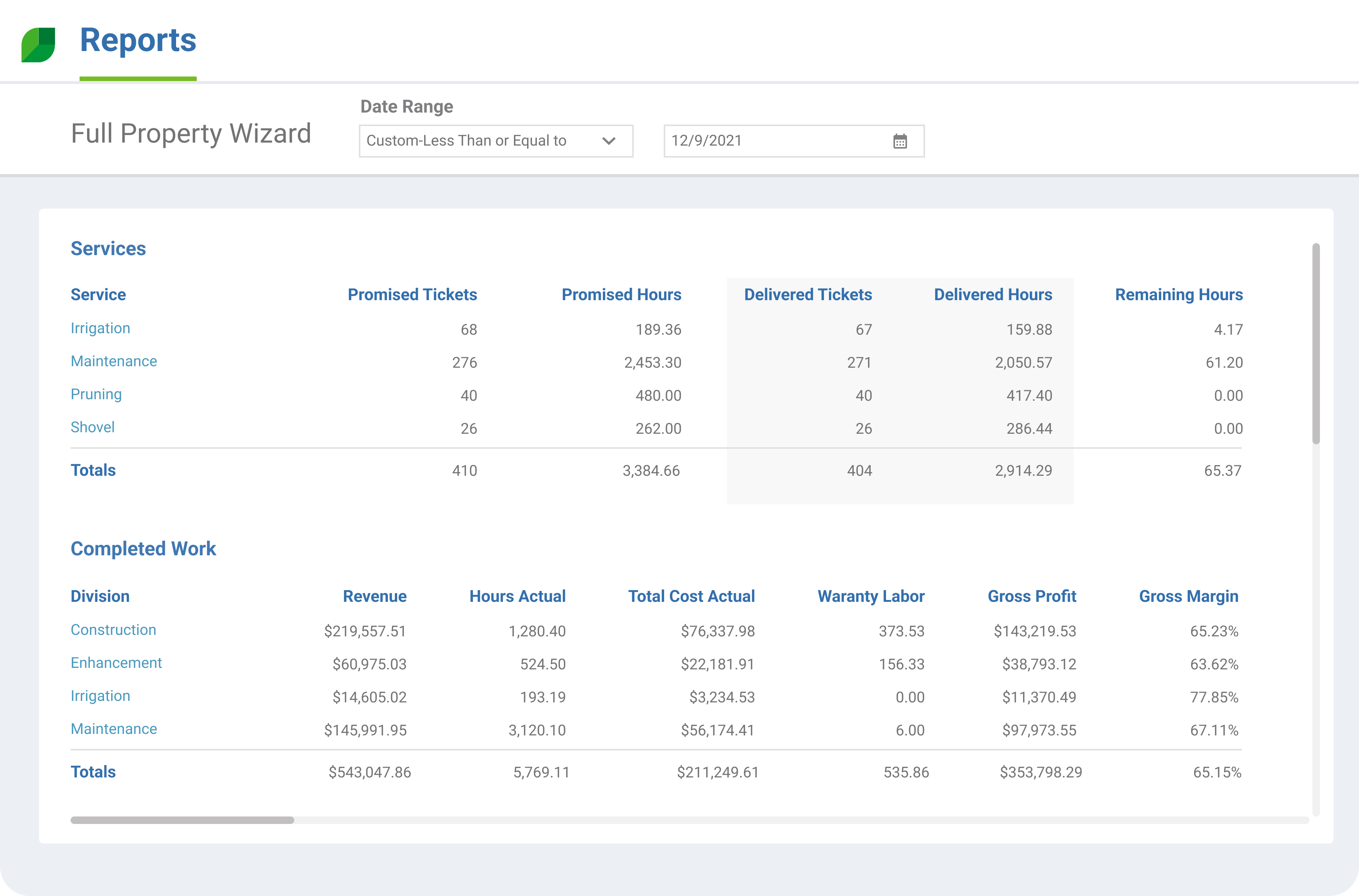
This allows you to view clients with profitable jobs. You can track each job performance, including revenue generated, gross margin, and profit. With such precise data, you can pinpoint accounts with the highest revenue.
Besides identifying profitable clients, Aspire helps you improve client experience and streamline operations. It provides features such as:
Estimating: To help you create and send proposals quickly.
CRM: For improved client relationships and seamless communication with them. This feature allows you to monitor incidents, track open client projects, and oversee individual accounts.
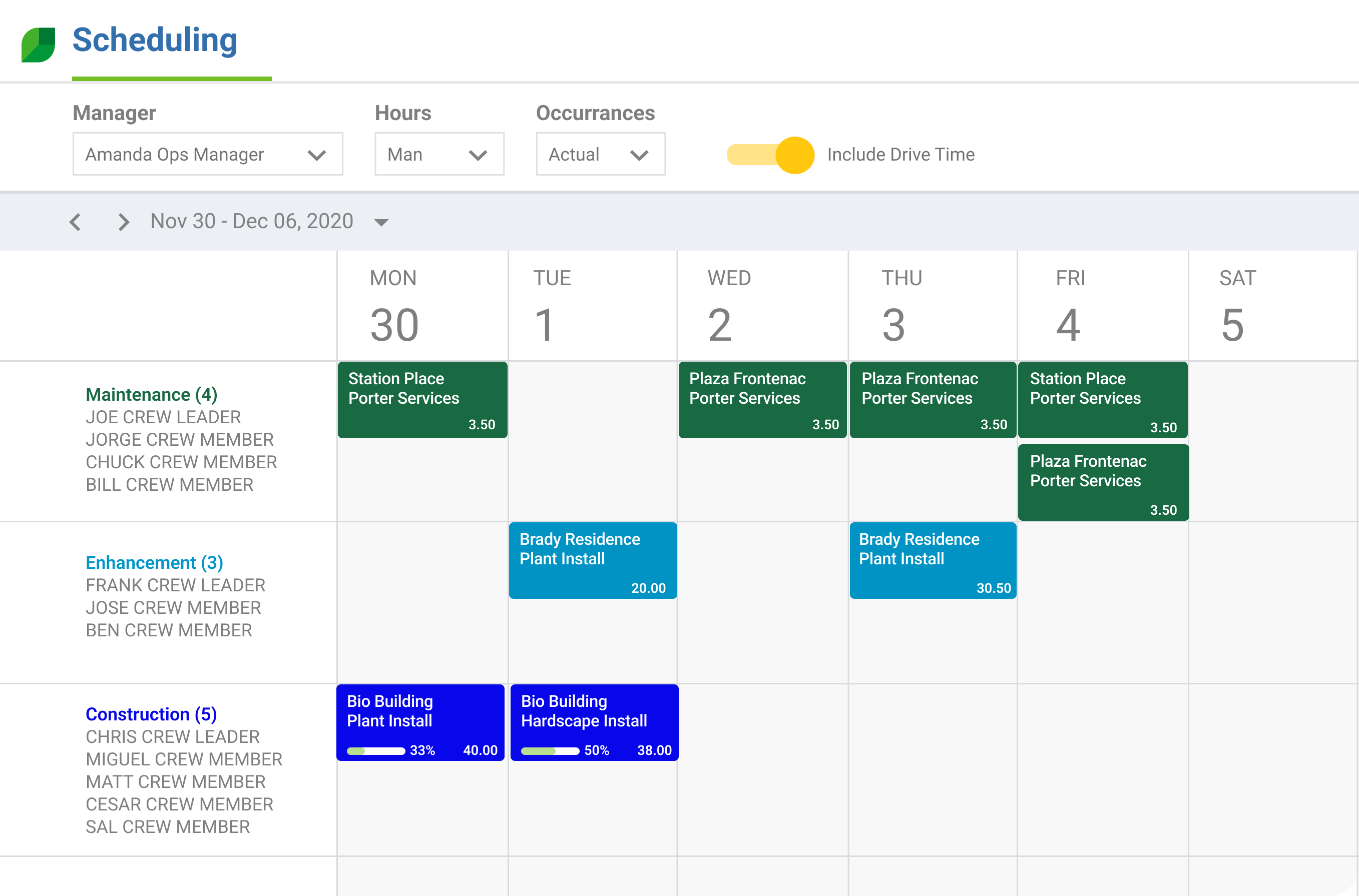
Scheduling: So you can plan projects and assign tasks to your crew, ensuring everything is completed on time.
Invoicing: For seamless payment requests and processing.
Reporting: To ensure you’re up-to-date with everything happening in the company, from employee productivity to client retention, equipment usage, and finances.
Book a live demo today to see how Aspire helps you focus on profitable clients and manage them for long-term success.









 866-727-7473
 Schedule Demo
 390 S Woods Mill Rd #300 Chesterfield, MO 63017


